Overview
Gen 2 uhf rfid tags ship as ISO 18000-6C / EPC Gen2 inlay and label builds for high-speed item level identification—skim the two questions below before locking chip and memory banks.
Who is this for? Retail, warehouse, and asset-tracking teams deploying passive UHF at 860–960 MHz with standard rfid reader infrastructure.
What matters first? EPC air interface protocol compliance, user memory sizing, and inlay form factor for your mounting surface.
Start with protocol and frequency compliance, then map memory banks and integrated circuit families to your reader middleware.
Gen 2 UHF RFID Tags — Technical Specifications & ISO 18000-6C Matrix
When we design our gen 2 uhf rfid tags, we build them to meet strict global standards while delivering maximum performance in real-world supply chains. Understanding these core specifications helps you select the exact passive UHF RFID tag for your deployment—compare our passive UHF RFID tag hub for RAIN Gen2 sibling formats.
| Parameter | Specification Details |
|---|---|
| Frequency Range | Global 860–960 MHz (US FCC: 902–928 MHz | EU ETSI: 865–868 MHz) |
| Common IC Chips | Impinj Monza R6/M700 Series, NXP UCODE, Alien Higgs |
| Protocol Standard | EPC Class 1 Gen 2 / ISO 18000-6C |
| Read Range | Up to 15 meters (50 feet) depending on reader and environment |
| Operating Temp | -40°F to 185°F (-40°C to 85°C) (Industrial high-temp options available) |
Memory Bank Architecture
Every integrated circuit on our tag is divided into four distinct memory banks. This standardized layout ensures seamless sorting, security, and item-level tracking:
- Reserved Memory: Holds the 32-bit access and kill passwords to secure your data.
- EPC Memory: Typically 96 to 128 bits used for the Electronic Product Code, which acts as the primary tracking identifier.
- TID Memory: Locked at the factory, containing a unique silicon ID from the integrated circuit manufacturer for absolute anti-counterfeiting protection.
- User Memory: Optional block (usually up to 512 bits) for storing custom offline data like batch numbers or expiration dates.
Durability and Environmental Protection
A raw RFID inlay is sensitive, which is why we package our chips in protective carriers designed to withstand harsh environments. Our tags feature UV-resistant face materials, waterproof layers, and high-strength adhesives to ensure your data stays intact from the warehouse floor to outdoor logistics yards.
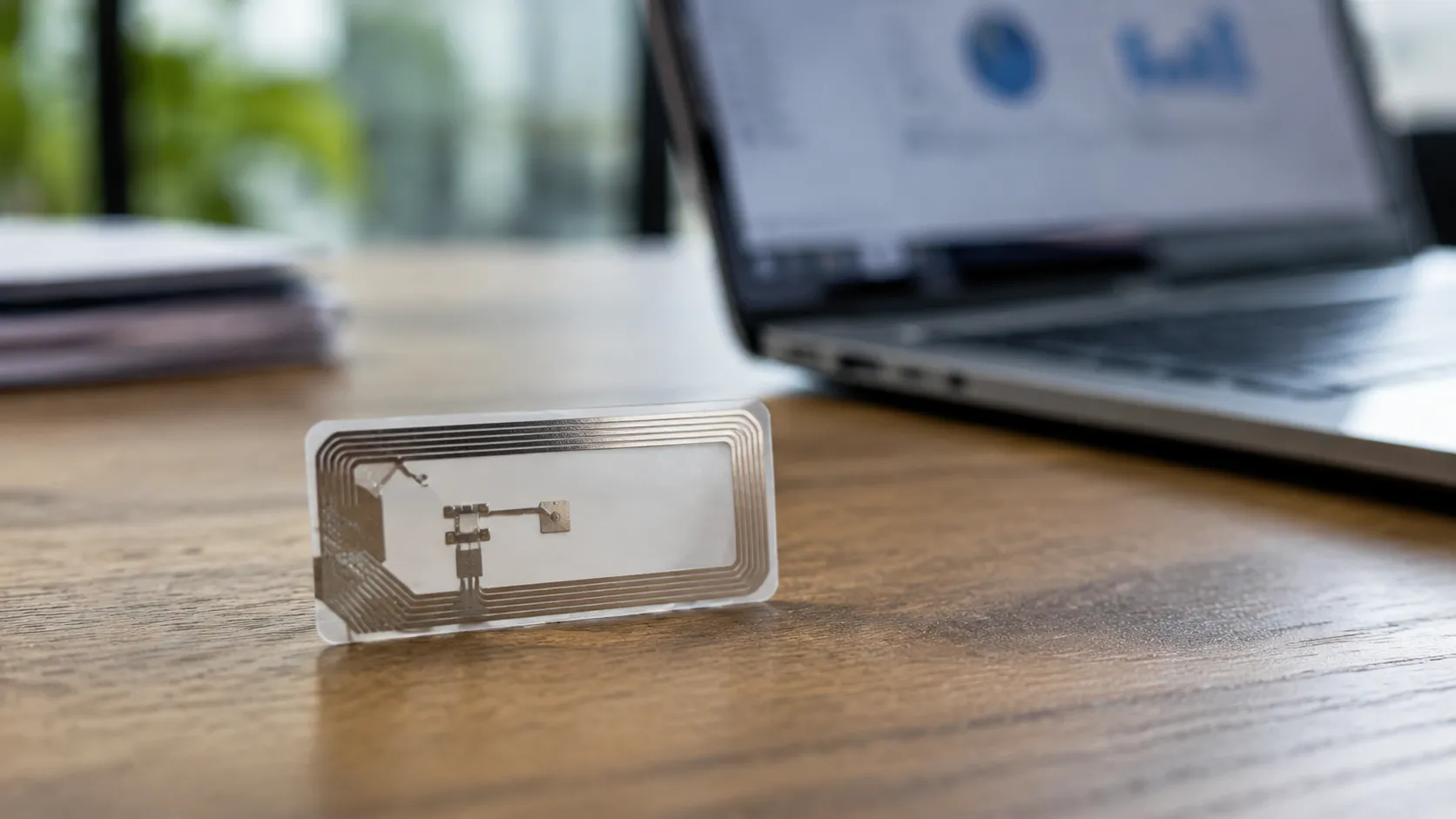
Memory Banks — EPC, TID, User & Reserved Memory
Every gen 2 uhf rfid tag we manufacture features a standardized memory layout divided into four distinct banks. Understanding how these memory banks work helps you optimize your inventory tracking and secure your data.
| Memory Bank | Function | Typical Size |
|---|---|---|
| Reserved Memory | Kill & access passwords | 64 bits |
| EPC Memory | Electronic Product Code | 96–496 bits |
| TID Memory | Tag identifier / unique serial | 64–96 bits |
| User Memory | Custom data / variable storage | 0–512+ bits |
2. EPC Memory
The Electronic Product Code (EPC) bank is the primary storage area for item-level identification.
Standard size: Typically 96 bits or 128 bits.
Function: This is the writable memory block where we encode your unique product SKU, serial numbers, or GS1 barcode data.
Read Speed: RFID readers scan this bank first, making it the fastest way to inventory thousands of items per second.
3. TID Memory
The Tag Identifier (TID) is the birth certificate of the passive UHF RFID tag.
Factory-Locked: Hardcoded by the integrated circuit (IC) manufacturer (like Impinj or Alien) and cannot be altered or duplicated.
Traceability: Contains the manufacturer ID and chip model, ensuring absolute protection against counterfeiting and offering 100% traceability in your supply chain.
4. User Memory
If your software needs to store data directly on the physical asset rather than in a cloud database, this is where it goes.
Custom Storage: Ideal for logging expiration dates, batch numbers, maintenance history, or localized shipping instructions.
Flexible Scaling: We offer chips ranging from 0 bits of user memory (for standard retail) up to 512+ bits for high-capacity industrial asset tracking.
Integrated Circuit Selection — Monza R6 & Chip Families
When we design your gen 2 uhf rfid tags, selecting the right integrated circuit (IC) is the most critical decision. The chip dictates your read range, processing speed, and how much data you can store right on the item.
We source and bond only the industry's leading silicon to guarantee maximum performance. Here is how the top chip families compare to help you make the right choice for your software needs:
| Chip Family | Key Models | Best For | Standout Feature |
|---|---|---|---|
| Impinj Monza | Monza R6 / R6-P | Retail & High-Speed Sorting | Auto-tuning for consistent performance |
| Impinj M700 | M730 / M750 | High-Volume Item-Level Tracking | Ultra-sensitive, longer read range, smaller inlay size |
| Alien Higgs | Higgs-3 / Higgs-9 | High-Capacity Asset Tracking | Large memory capacity and robust dynamic authentication |
Selecting Memory Sizes Based on Your Software
Not every application requires massive memory. Matching your chip's memory profile to your inventory software keeps your hardware costs low while maintaining peak efficiency.
- EPC-Heavy Chips (e.g., Impinj M730): Best when your software relies on a cloud database. The tag only needs to hold a 128-bit Electronic Product Code (EPC) to act as a license plate.
- User-Memory-Heavy Chips (e.g., Impinj M750, Higgs-9): Ideal for offline applications or remote transit—see our high-memory UHF RFID tag guide for extended user memory layouts written directly onto the passive UHF RFID tag.
Inlay Form Factors for Item-Level Identification
Not every tracking environment is the same, which is why we manufacture gen 2 uhf rfid tags in a variety of physical form factors. Choosing the right design ensures your readers capture every single scan, whether you are labeling cardboard boxes or tracking heavy machinery in the rain.
Dry vs. Wet Inlays: The Building Blocks
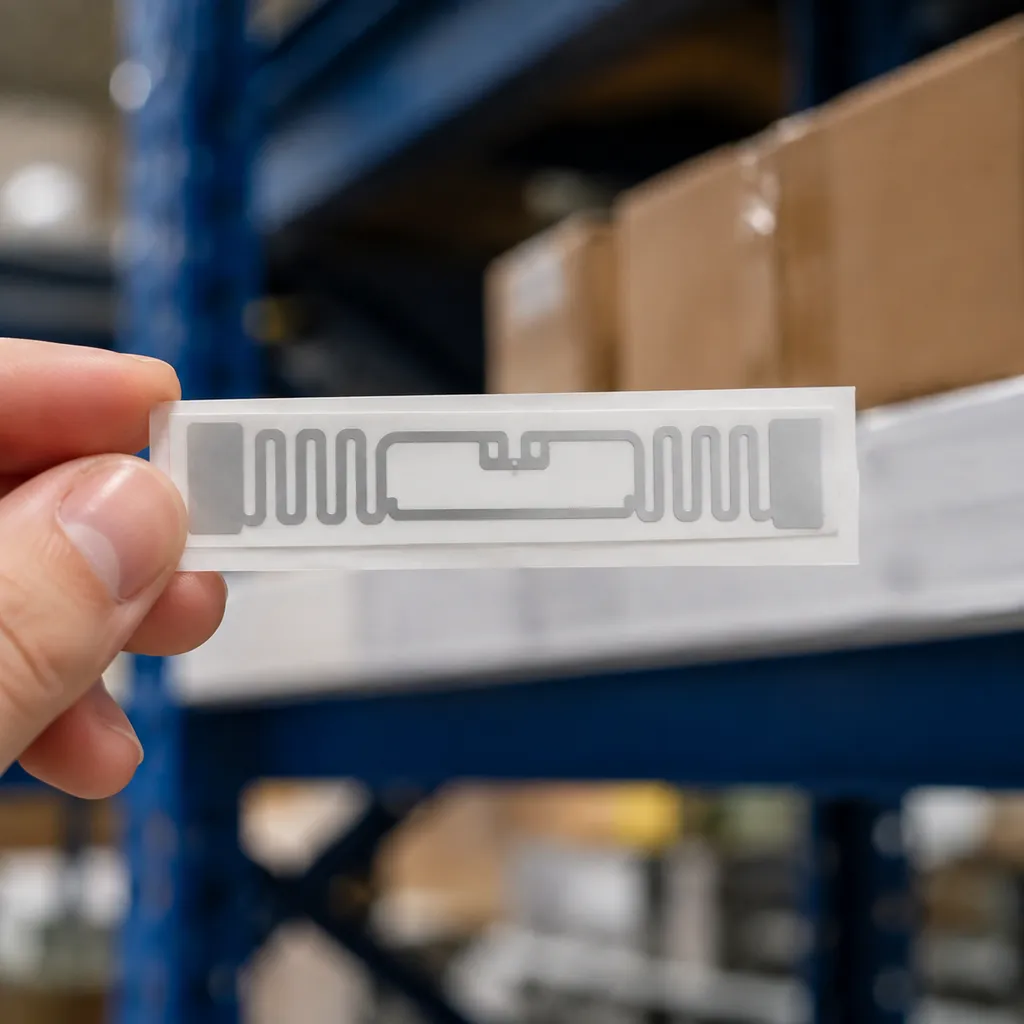
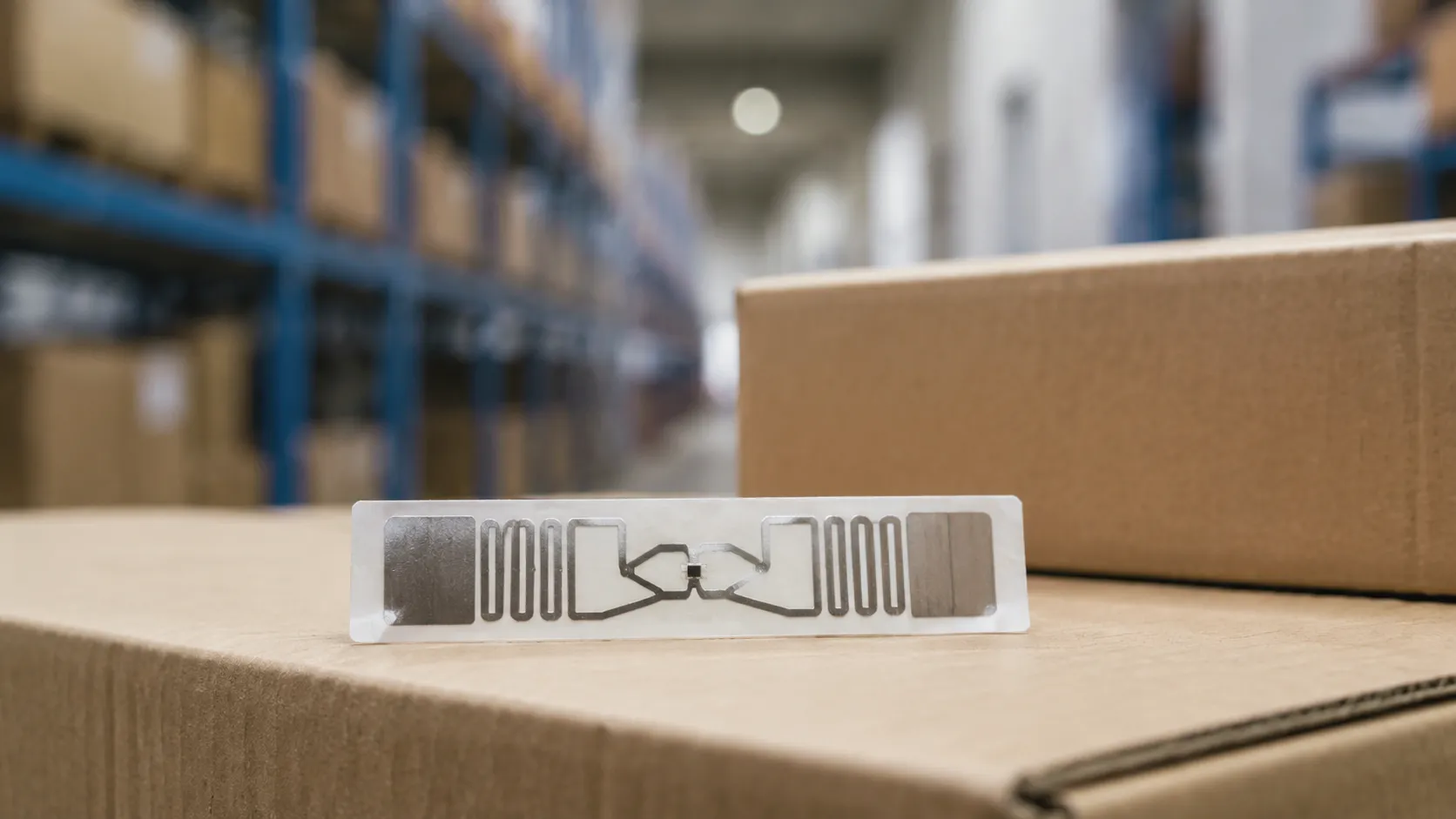
Before a tag becomes a label, it starts as an RFID inlay—the raw combination of an antenna chip and an integrated circuit on a plastic film substrate.
Dry Inlays: This is the bare chip and antenna on a web backing without any adhesive. We supply these to converters who laminate them into custom labels.
Wet Inlays: These come with a clear adhesive backing and are ready to be stuck directly onto assets or converted into finished printed labels.
Flexible RFID Labels and Stickers
These are our most popular UHF RFID labels for high-volume, item-level tracking.
Paper or Polyester Face: Perfect for printing barcodes, QR codes, and human-readable text on standard industrial printers.
Easy Application: Designed as peel-and-stick smart labels for corrugated boxes, apparel hangtags, and retail inventory.
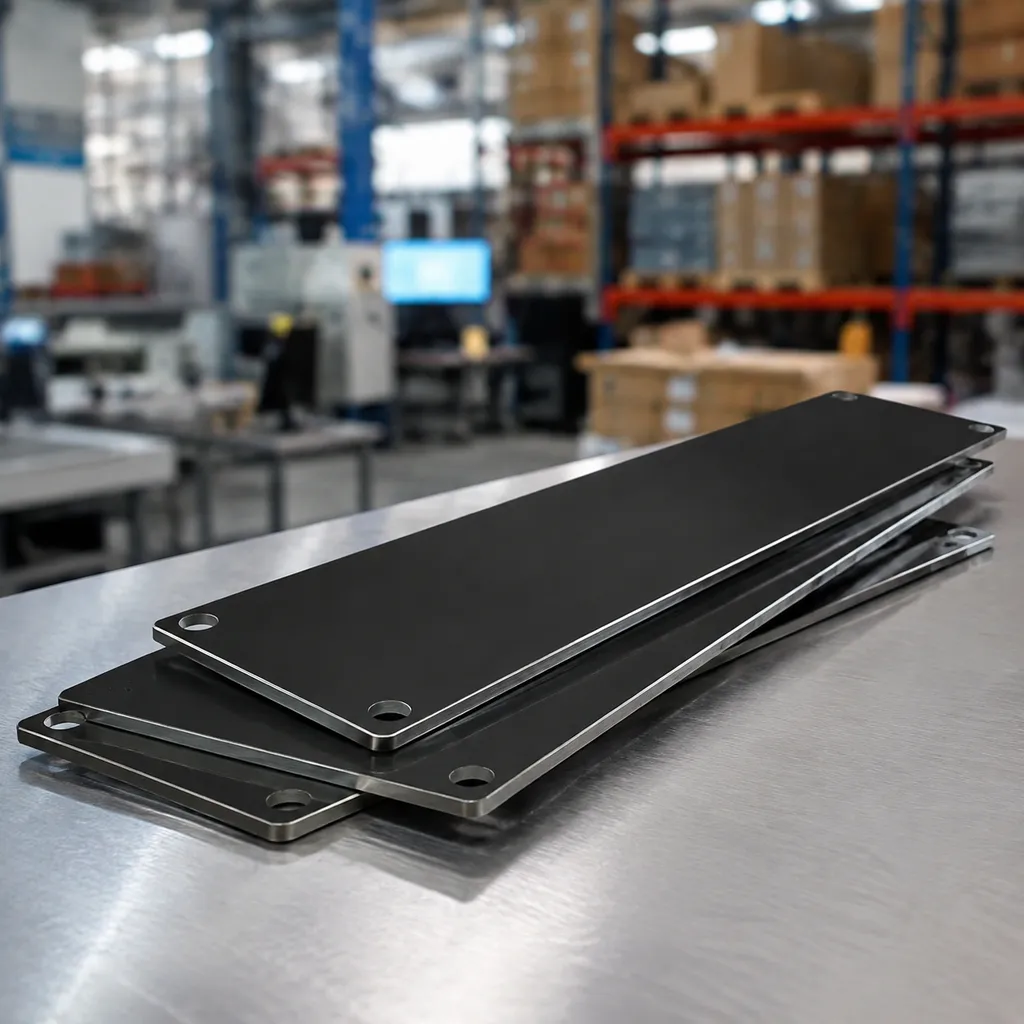
Heavy-Duty On-Metal RFID Tags
Standard passive UHF RFID tags fail when applied directly to metal surfaces because metal reflects RF energy and detunes the tag's antenna.
We solve this with our specialized on-metal RFID tag lineup, which features a built-in insulating barrier (like foam or ceramic) to shield the signal.
These are perfect for tracking IT assets, metal containers, and industrial equipment.
Specialized Laundry and High-Temperature Tags
Some environments demand extreme physical durability.
Laundry Tags: Made of flexible silicone or fabric, these withstand more than 200 commercial wash cycles, high-pressure extraction, and sterilization heat.
High-Temp Tags: Enclosed in rugged, heat-resistant polymers (like PPS or Teflon), these tags survive paint curing ovens and harsh chemical baths in automotive assembly lines.
UHF Gen 2 RFID Tag Performance — Q-Protocol & Read Speed
Here is what makes our Gen 2 UHF RFID tags the ultimate choice for modern logistics, retail, and asset management:
Why Gen 2 UHF RFID Tags Outperform the Rest
- Insane Scanning Speeds: Utilizing the advanced EPC Gen2 air interface protocol and Q-protocol, our readers can scan up to 1,000 tags per second. You do not need line-of-sight; just pull the trigger on your RFID reader and capture an entire pallet instantly.
- Massive Read Range: Get reliable, long-range tracking from 3 to over 15 meters (up to 50 feet) depending on your environment and tag antenna design.
- Zero Battery Hassles: These are passive UHF RFID tags. They draw power directly from the reader’s signal, meaning they last indefinitely and cost a fraction of active battery-powered tags.
- Worldwide Compatibility: Fully compliant with ISO 18000-6C and GS1 EPCglobal standards. They work seamlessly across global supply chains, operating efficiently within the 860–960 MHz frequency band.
Key Benefits at a Glance
| Feature | Performance Benefit | Typical Industry Use Case |
|---|---|---|
| Rapid Multi-Tag Scanning | Scans hundreds of items per second | Retail inventory & distribution centers |
| Long-Range Detection | Reads up to 50+ feet away | Warehouse dock doors & yard management |
| Passive Power Source | Maintenance-free, lowest cost per unit | Item-level tracking & high-volume packaging |
| Global Interoperability | Standardized on ISO 18000-6C / Gen 2 | Cross-border logistics & major retail compliance |
What is a Gen 2 UHF RFID Tag?
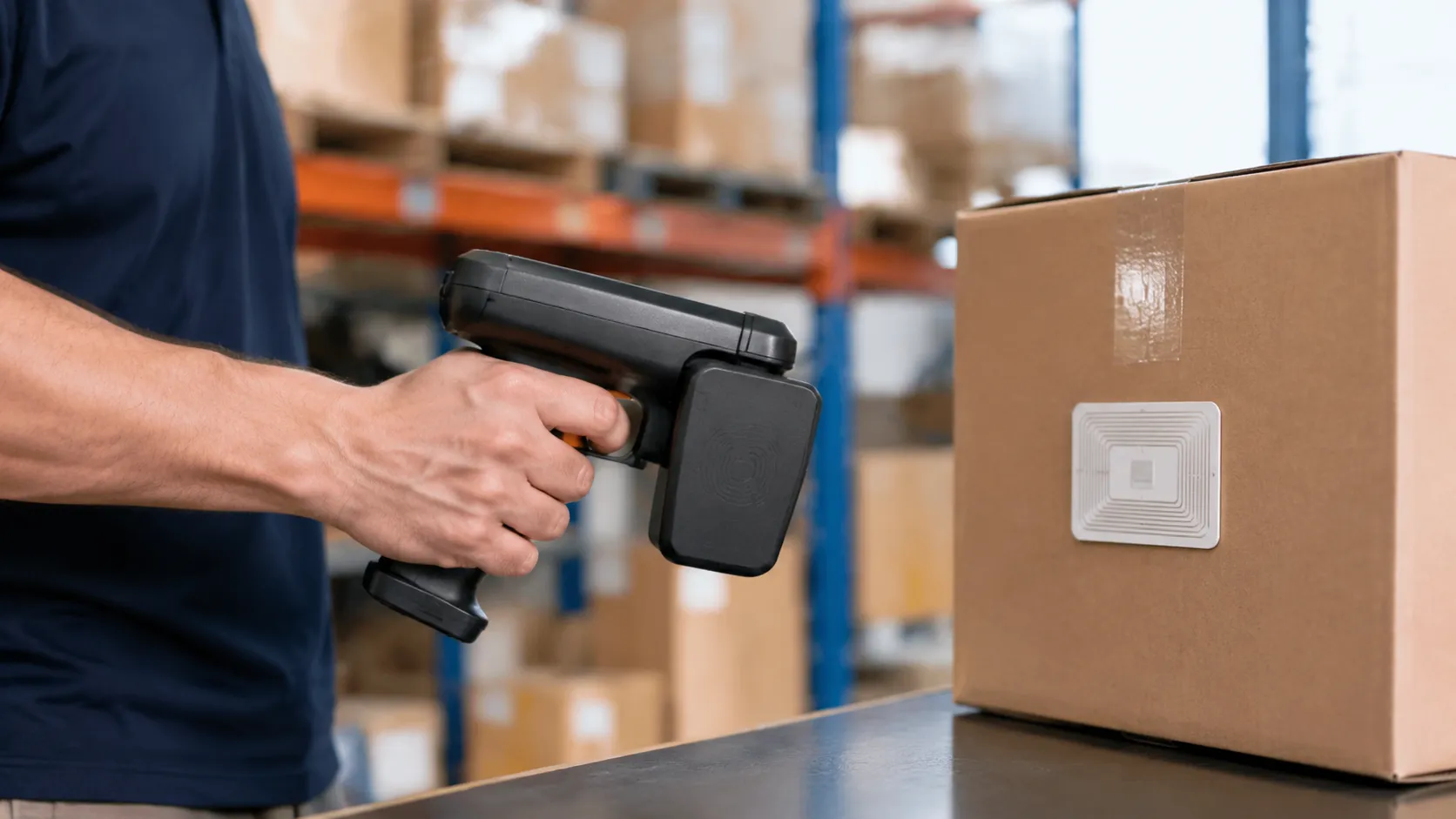
Gen 2 uhf rfid tags use Ultra-High Frequency (UHF) passive technology for contact-free, line-of-sight-free tracking at scale.
How Passive UHF RFID Tag Technology Works
A passive UHF RFID tag does not require an internal battery. Instead, it relies on passive backscatter to operate:
- The Reader Signal: The RFID reader transmits radio waves through its antenna.
- The Tag Response: The tag's integrated antenna captures this energy, powers up the tiny integrated circuit (microchip), and sends back its stored data.
- The Result: You get instant, contact-free data transmission over long distances.
EPC Gen2 and ISO 18000-6C Standards
We manufacture all of our UHF RFID tags to meet both the EPC Gen2 (EPCglobal Gen 2) air interface protocol and the ISO 18000-6C standard.
These two standards work hand-in-hand to ensure global interoperability. EPC Gen2 defines how the data is formatted and transmitted, while ISO 18000-6C is the international standard that adopts this protocol. This means our tags work seamlessly with any standard-compliant RFID reader anywhere in the world.
The Go-To Choice for Fast Item-Level Tracking
These tags are the undisputed choice for high-speed item-level RFID tag applications because they offer:
- Massive anti-collision capabilities: Read hundreds of tags simultaneously in seconds.
- Exceptional read ranges: Capture data from distances up to 10+ meters.
- Low per-tag cost: Perfect for high-volume inventory deployment.
How Read Range Responds to Metal, Liquid & Orientation
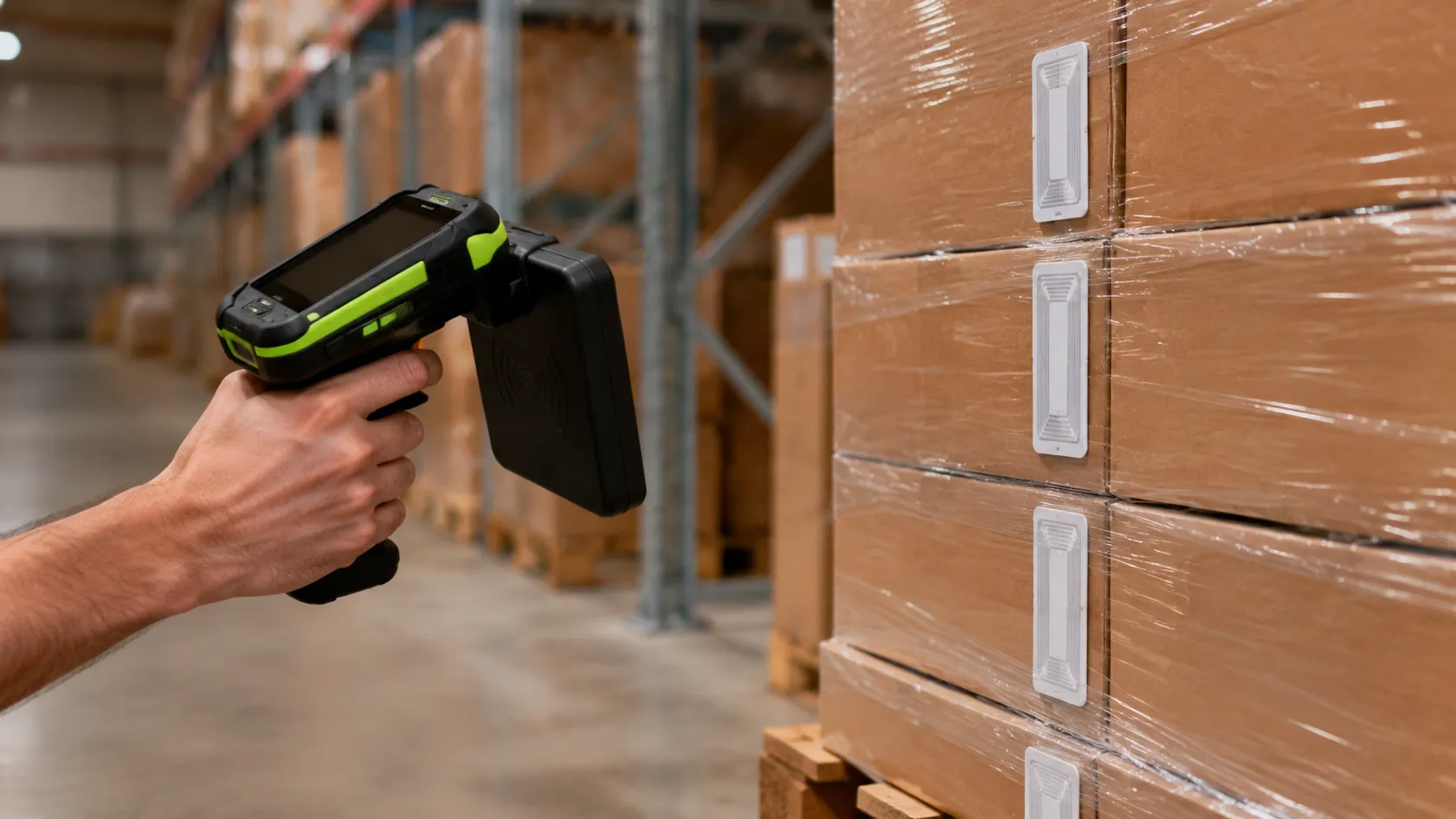
Getting the maximum read range out of your gen 2 uhf rfid tags is about more than just picking a high-end chip. In real-world deployments, physical and environmental factors directly dictate how far and how fast your RFID reader can capture data.
Metal and Liquid Interference
Standard passive UHF RFID tags struggle around metal and liquids. Water absorbs UHF radio waves, while metal reflects them, detuning the tag antenna and blocking the signal.
The Liquid Fix: Position tags away from direct liquid contact or use thicker plastic spacers.
The Metal Fix: If you are tracking machinery, tools, or metal containers, you must use a specialized on-metal RFID tag designed with a built-in ground plane shield.
Reader Antenna Alignment and Orientation
RFID communication relies on radio frequency polarization. If the antenna inside your uhf gen 2 rfid tag does not align with the signal emitted by the reader, your read range can drop by more than 50%.
Linear Polarization: Offers the longest read range but requires the tag and reader antenna to face each other on the same plane.
Circular Polarization: Offers a slightly shorter range but captures tags easily at almost any angle or orientation.
Custom Antenna Tuning for Your Environment
Every surface material—whether cardboard, plastic, glass, or wood—has a unique dielectric property that shifts the tag's operating frequency. We tune the antenna design of our EPC Gen2 RFID tags to match your target mounting surface. This specialized tuning ensures you get consistent, maximum read range in your specific operating environment.
With IC and form factor set, the scenarios below show where rfid tags uhf gen 2 throughput pays off in live operations.
Application Scenarios — Retail, Warehouse & Asset Tracking
How do our gen 2 uhf rfid tags perform when put to work? From fast-paced retail floors to rugged industrial yards, we design these tags to solve real-world tracking headaches. Here is where our passive UHF RFID tags make the biggest impact:
- High-Speed Warehouse Inventory Management: No more line-of-sight barcode scanning. Our EPC Gen2 RFID tags allow warehouse teams to scan entire pallets of mixed inventory in seconds as they pass through dock doors, keeping stock levels accurate.
- Retail and Apparel Item-Level Tracking: We help retailers achieve near-perfect inventory accuracy. By using a lightweight UHF RFID label on individual garments, store associates can run weekly stock counts in minutes instead of hours.
- Industrial Asset and Equipment Tracking: For harsh environments, our heavy-duty on-metal RFID tags track expensive tools, machinery, and returnable transport items (RTIs) without failing under extreme temperatures or physical impact.
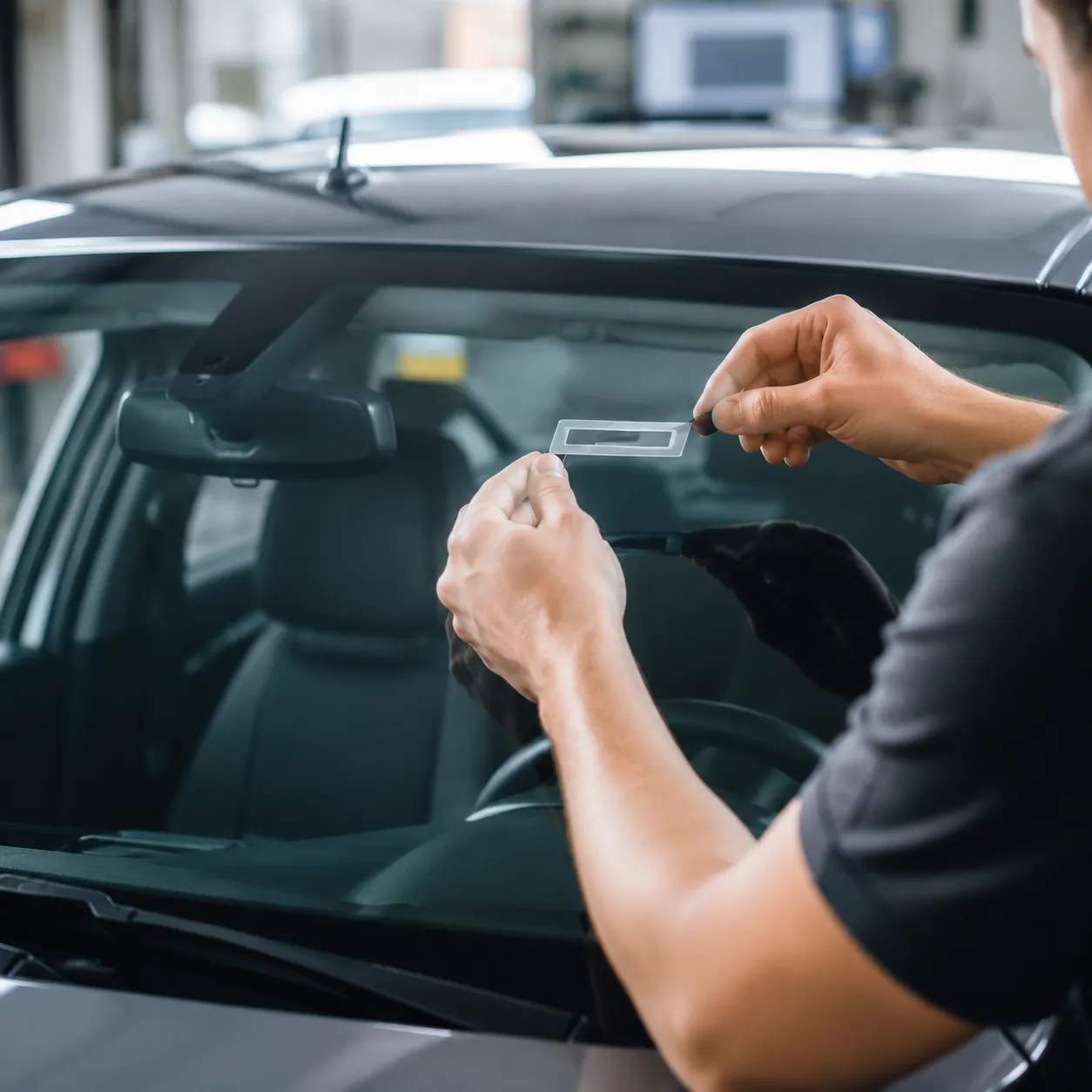
- Logistics, Pallets, and Supply Chain Tracking: Track goods from the factory floor to the final mile. Our RFID inlays embedded in shipping labels ensure complete, real-time visibility across global supply chains. For placement rules, see installing UHF RFID tags.

OEM Customization — Encoding, Printing & Materials
One-size-fits-all labels rarely fit complex inventory systems—we tailor gen 2 uhf rfid tags to your system specifications and branding requirements.
Whether you need rugged industrial tracking or sleek retail labeling, we customize every layer of your passive UHF RFID tag.
| Customization Service | What We Deliver | Best For |
|---|---|---|
| Custom Printing | High-resolution logos, text, and artwork | Brand visibility and visual identification |
| Data Pre-Encoding | Custom EPC, serialized data, and lock settings | Plug-and-play deployment out of the box |
| Barcode Alignment | Matches 1D/2D barcodes with the internal chip data | Dual-technology scanning environments |
| Custom Sizing & Materials | Specific dimensions, specialty adhesives, and face stocks | Tough surfaces, tight spaces, and extreme conditions |
Tailored to Your System Layout
- Pre-Encoding EPC and Variable Data: We program your tags using the EPC air interface protocol standards (including GS1 EPCglobal formats). We can lock the memory or leave it open based on your software needs.
- Barcodes and QR Codes Alignment: We ensure 100% synchronization between the printed barcode, human-readable text, and the encoded data inside the integrated circuit.
- Specialty Adhesives and Materials: Choose from permanent acrylics, high-tack adhesives for plastics, or heat-resistant materials for manufacturing lines. We also supply on-metal RFID tag structures to prevent interference on metallic assets.
Factory QC — 100% Read/Write Verification
At scale, a single dead tag can stall automated inventory—every passive UHF RFID tag batch runs through multi-stage factory QC before shipment.
Our Four-Stage Quality Assurance Process
We subject every batch of EPC Gen2 RFID tags to a strict testing pipeline before they ever reach your facility:
- Raw Material Testing: We inspect every roll of PET substrate, aluminum antenna foil, and adhesive backing. If the materials do not meet our strict thickness and conductivity standards, they do not make it to the assembly line.
- Precision Chip Bonding: Utilizing advanced flip-chip machinery, we bond the antenna chip (using industry-leading ICs like the Monza R6) to the etched antenna. We verify this alignment at microscopic levels to prevent premature tag failure.
- 100% Read/Write Testing: Every single UHF RFID label and on-metal RFID tag runs through high-speed readers on our production lines. We test both the read sensitivity and the write capabilities of the user memory and TID memory before packaging.
- Batch Consistency Checks: We pull random samples from every production run to test environmental durability. These tags are subjected to extreme temperatures and moisture to guarantee they will survive rugged, real-world logistics environments.
Factory Testing Benchmarks
| Test Type | Inspection Method | Target Standard |
|---|---|---|
| RF Performance | Anechoic chamber sweep | 100% signal consistency across 860–960 MHz |
| Adhesive Shear | 180-degree peel test | Zero peeling on standard cardboard and plastic |
| Bending Resistance | Mechanical flex testing | Over 1,000 bends without antenna or chip cracking |
| Write Yield | Automated chip encoding | Zero failures on lockable reserved memory sectors |
By maintaining complete control over the manufacturing process, we guarantee that our uhf gen 2 rfid tag shipments arrive with a 99.99% utility rate, keeping your automated tracking systems running without a hitch.
Gen 2 UHF RFID Tags Supplier — MOQ, Samples & Logistics
Factory-direct production from antenna design through chip bonding delivers high-performing gen 2 uhf rfid tags at competitive volume pricing.
Here is what we bring to your business:
- Direct-from-Factory Pricing: By cutting out the middleman, we pass the cost savings directly to you, maximizing your project's ROI.
- Low MOQs & Free Sample Kits: We offer low minimum order quantities so you can start small. Plus, we provide free sample kits so you can test our tags in your actual environment before committing.
- OEM/ODM Custom Design: Need a specific footprint, custom tuning, or specialized materials? Our in-house engineering team designs custom passive UHF RFID tags tailored to your exact environment.
- Fast global shipping: Streamlined manufacturing and reliable logistics partners keep high-volume uhf gen 2 rfid tag orders on schedule.
What We Offer at a Glance
| Service | What You Get | Your Benefit |
|---|---|---|
| Pricing | Direct factory-direct rates | Maximum cost savings |
| Testing | Free sample kits | Risk-free field testing |
| MOQ | Flexible, low starting limits | Easy scalability |
| Customization | OEM/ODM antenna & packaging design | Perfect fit for harsh environments |
| Logistics | Fast global shipping with full export support | No project delays |

FAQ: Gen 2 UHF RFID Tags
Common questions about how to choose, deploy, and test gen 2 uhf rfid tags in production environments:
| Common Question | Direct Answer & Tech Spec |
|---|---|
| What is the read range of a Gen 2 UHF RFID tag? | Typically up to 10–15 meters (30–50 feet) under ideal conditions. Actual read range depends heavily on the antenna size, reader power, and surrounding materials. |
| Can I use these tags on metal surfaces? | Standard paper labels will detune on metal. For metallic assets, we manufacture specialized on-metal RFID tags built with a built-in isolator to ensure reliable data transmission. |
| What is the difference between EPC Gen2 and ISO 18000-6C? | They refer to the same technology. EPC Gen2 is the protocol profile defined by GS1, which was fully adopted as the international ISO 18000-6C standard. |
| Can these tags be pre-printed and encoded? | Yes, absolutely. We can pre-print custom logos, barcodes, and QR codes, as well as pre-encode your unique EPC data directly at our factory so they arrive ready to deploy. |
| How do I get free samples for testing? | We offer free sample kits containing various wet inlays, dry inlays, and hard tags. Contact our support team to match the right ICs and form factors to your testing environment. |
Ordering Information, MOQ & Lead Time
Bulk gen 2 uhf rfid tags ship as dry/wet inlay rolls or finished labels with factory pre-encoding. MOQ typically starts at 5,000–10,000 pcs for stock silicon; custom antenna chip tuning runs from 10,000+ pcs depending on form factor.
- Sample kits: Free wet/dry inlay and on-metal samples for field validation before volume PO.
- Lead time: Stock IC builds ship in 7–14 business days; custom print/encode adds 2–3 weeks.
- Encoding: GS1 EPCglobal SGTIN-96, serialized EPC, and locked reserved memory profiles available at factory.
Request a Quote
Share target IC (Monza R6 class), user memory needs, label size, and expected read distance for a configured uhf gen 2 rfid tag quote.
Contact JN RFID with mounting surface photos, reader model, and annual volume for serialized electronic product code encoding scope.