
Overview
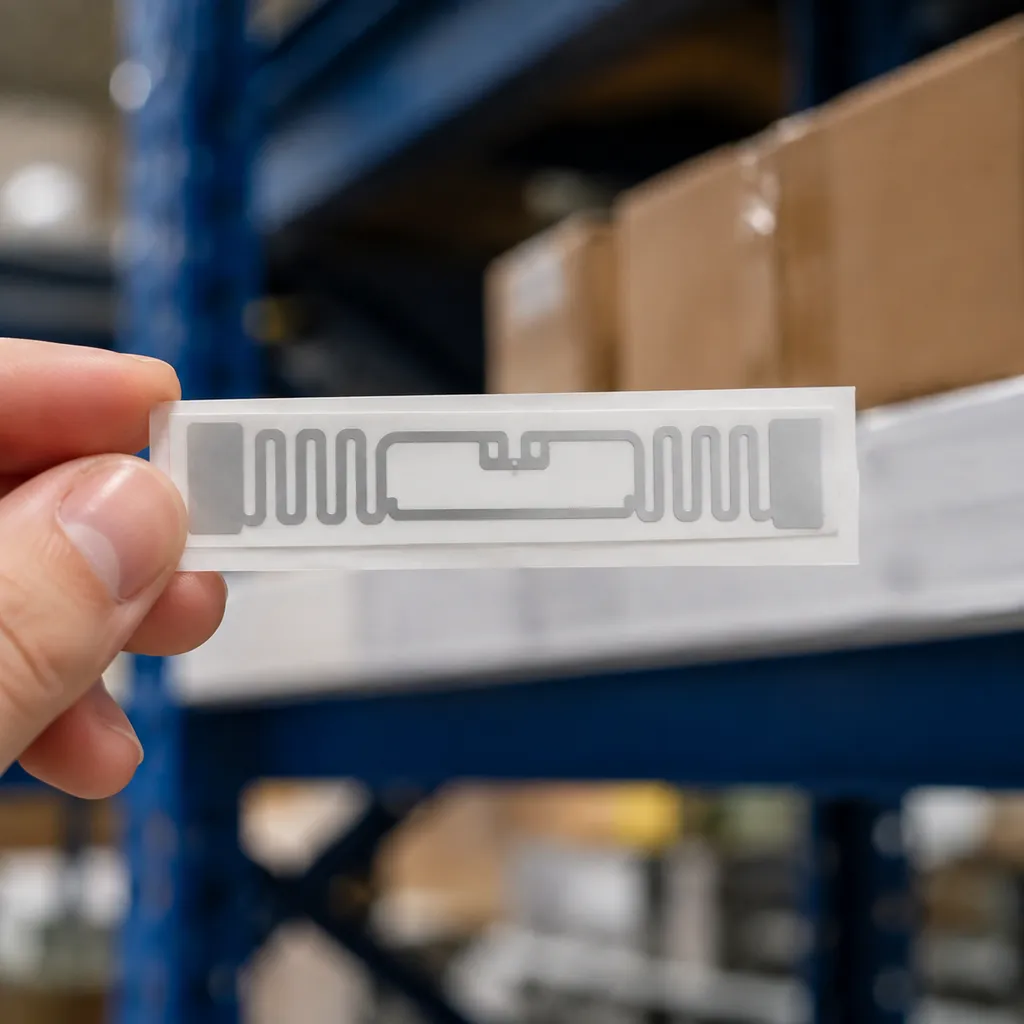
Buy uhf rfid tire patch tag transponders for commercial tire programs that need durable identity on the inner liner without batteries.
Platform: 860-960mhz passive uhf tag on a rubber patch tag bonded for tire vulcanization and retread heat.
Built for: fleet vehicle tracking, tire inventory management, and yard anti theft solution audits.
UHF RFID Tire Patch Tag: Platform and Inner Liner Design
A rubber patch tag is a high-durability passive uhf tag bonded to the inner lining tag surface of commercial tires for lifecycle asset tracking from install through retread cycles.
| Performance Metric | Capability |
|---|---|
| Operating Frequency | Global 860-960mhz (EPC Class 1 Gen 2 / ISO 18000-6C) |
| Read Distance | Up to 3 to 6 meters (10–20 feet) with standard UHF readers |
| Scan Reliability | 360-degree omnidirectional scanning through dense tire sidewalls |
How Passive UHF RFID Tire Tags Work
These passive uhf tag transponders operate without internal batteries, making them lightweight and maintenance-free.
- RF Signal Activation: The tag draws power directly from the radio frequency energy emitted by standard handheld or fixed RFID readers.
- Instant Data Capture: Transmits a unique tire identification number instantly when entering the reader's signal field.
- Software Synchronization: Connects each tire directly to your central fleet management platform for automated record-keeping.
Flexible Vulcanized Rubber Construction
Standard rigid labels fail quickly inside an active tire. The rubber patch tag utilizes high-grade, flexible rubber engineered to match the natural deformation of commercial tires during travel.
- Extreme Heat & Pressure Resistance: Built to withstand demanding thermal conditions during hot vulcanization processes and retreading.
- Flexible Rubber RFID Patch: Blends naturally with the tire inner liner, resisting peeling, cracking, or detachment caused by constant flexing.
- Impermeable Protection: Fully encapsulates the microchip and antenna to block moisture, chemical agents, and road debris.
Read Range and Signal Performance
Thick carbon black rubber naturally absorbs radio waves. Carbon-black rubber absorption is addressed by engineering high-performance omnidirectional antennas specifically tuned for rubber tire environments.
These asset tracking labels deliver rapid, accurate scans without requiring line-of-sight visibility, allowing fleet mechanics and yard managers to audit entire tire inventories in seconds.
Why Buy UHF RFID Tire Patch Tags for Fleet Management?
When you buy uhf rfid tire patch tag programs for yards, tires become traceable smart assets that cut manual audit time and support logistics fleet management and vehicle access control gate checks—compare baseline passive UHF RFID tag platforms when mixing tire and general asset labels on one reader backbone.
| Risk Category | Standard Stenciled Serials | UHF RFID Tire Patch Tag |
|---|---|---|
| Tamper Resistance | Easily ground down or scraped off | Permanently fused to the tire inner lining |
| Verification Speed | Slow, manual inspection required | Instant digital verification at gate checks |
| Data Integrity | Prone to human recording errors | Encrypted, unalterable digital ID |
Real-Time Tire Inventory Management
Manual yard audits take hours and frequently lead to misplaced inventory. Mounting an RFID tire tracking tag inside each tire gives you instant visibility across your entire enterprise.
- Full Lifecycle Visibility: Track every stage of usage—from initial installation through multiple tire vulcanization and retread tracking cycles.
- Rapid Yard Audits: Scan hundreds of tires in minutes using handheld readers or drive-by systems.
- Accurate Asset Records: Eliminate misread serial numbers and missing log entries in your fleet vehicle tracking software.
Anti-Theft Solution and Swapping Prevention
Unauthorized tire swapping is a major profit leak for commercial fleets. High-value new tires are often swapped out for worn-out rubber during long-haul routes or third-party service stops.
The rubber patch tag acts as a permanent identity tag. Because it fuses directly to the inner lining tag surface, any attempt to strip or tamper with the patch destroys the RFID chip, putting an immediate stop to tire theft.
Automated Fleet Maintenance and Tread Logs
Paper clipboards and manual tread checks slow down garage operations and leave room for oversight. Integrating a commercial fleet RFID tire tag streamlines routine maintenance schedules.
- Automated Log Matching: Pair digital tread depth and pressure gauge tools directly to the tire's unique ID.
- Mileage and Wear Optimization: Monitor accurate mileage trends to pull tires for retreading at the exact right moment.
- Simplified Compliance: Keep detailed, audit-ready safety and maintenance logs with zero extra paperwork.
Key Features Before You Buy UHF RFID Tire Patch Tags
Before you buy uhf rfid tire patch tag batches, confirm 860-960mhz compliance, retread heat rating, and waterproof rfid tag encapsulation for your shop process—see EPC Gen 2 passive UHF RFID tag reference designs for reader compatibility.
| Feature | Recommended Spec | Why It Matters for Your Fleet |
|---|---|---|
| Operating Frequency | 860-960mhz (Global UHF) | Fits global UHF band plans and works across all fleet operations. |
| Protocol Standard | EPC Class 1 Gen 2 (ISO 18000-6C) | Guarantees full compatibility with standard hand-held and fixed readers. |
| Heat & Pressure Resistance | Up to 200°C (392°F) | Withstands extreme heat during vulcanization and tire retreading. |
| Backing Material | Vulcanized flexible rubber RFID patch | Bonds permanently to the inner lining without peeling, cracking, or slipping. |
| Antenna Design | Omnidirectional 360° | Delivers reliable scans from any angle, even through thick rubber tread. |
Before you buy uhf rfid tire patch tag batches for your fleet, you need to make sure they can handle harsh road conditions, retreading heat, and heavy commercial mileage. Tags are engineered to meet exact industry specs, ensuring maximum read range and long-term durability inside commercial tires.
860-960mhz and EPC Class 1 Gen 2 Standard
Every passive uhf tag on the 860-960mhz frequency range to conform with EPC Class 1 Gen 2 standards. This ensures instant integration with your current fleet management software and RFID hardware. Powered by industry-leading chips like impinj monza r6-p or alien higgs3, these tags offer rapid read rates for high-volume inventory checks.
High Temperature Tire RFID Tag Resistance
Commercial truck tires go through tough retreading processes. A commercial-grade high temperature tire RFID tag must survive temperatures up to 200°C (392°F) and extreme pressure during tire vulcanization. Rugged encapsulation keeps the microchip fully protected so your tracking data stays intact through every retread cycle.
Flexible Rubber RFID Patch Adhesion
A rigid tag will quickly break or peel under constant tire flexing. You need a flexible rubber RFID patch engineered for permanent chemical bonding. Designed specifically for the inner lining, patches flex naturally with the tire casing under heavy payload stress without delaminating or disturbing tire balance.
Omnidirectional Antenna for Fast Scans
Tires stop in all kinds of positions on the yard. An omnidirectional antenna design ensures your drive-by readers or portable scanners pick up every RFID tire tracking tag instantly—no matter the tire's angle, position, or proximity to steel belt plies.
How to Properly Install RFID Tire Patch Tags
Proper bonding determines read reliability for every inner lining tag placement—review passive UHF RFID tag range expectations when tuning handheld vs gate readers on stacked tires.
| Method | Best Used For | Process Overview | Key Advantage |
|---|---|---|---|
| Cold Patch / Self Adhesive Tire Label | Retrofitting active commercial tires in shop | Uses chemical cement or self adhesive tire label bonding at room temperature | Quick application with standard tire repair tools |
| Hot Vulcanization | Tire manufacturing and retread operations | Cured with heat (130 °C–150 °C) under pressure | Tag becomes an integral part of the inner lining tag area |
The rubber patch tag lineup to support both standard shop repair methods and factory retreading processes.
Step-by-Step Tire Inner Liner Surface Preparation
A clean, textured surface is essential for a permanent chemical bond. Follow these steps to prepare the tire inner liner before applying the rubber patch tag:
- Clean the area: Spray a specialized rubber cleaner on the inner lining to remove mold release lubricants and road grime.
- Buff the surface: Use a low-speed tire buffer to lightly roughen the rubber. Buff an area slightly larger than the patch without exposing the underlying tire cords.
- Clean off dust: Vacuum away all buffing dust. Do not use compressed air lines, as they can spray trace oils onto the surface.
- Apply vulcanizing cement: Spread a thin, smooth layer of chemical cement over the buffed area and let it dry until tacky.
- Position and stitch: Place the flexible rubber RFID patch over the cement. Use a firm tire stitcher wheel to roll outward from the center, pressing out all trapped air pockets.
Optimal Patch Placement Locations on Commercial Tires
Proper placement protects the RFID tire tracking tag from flex fatigue and ensures max read range for drive-by fleet scanners:
- High on the Inner Sidewall: Mount the tag on the inside surface of the sidewall, roughly 1 to 2 inches under the bead line. This area experiences less extreme flexing than the tread face.
- Opposite Heavy Spots: Avoid mounting directly over existing inner repairs to maintain uniform balance.
- Standardize Across the Fleet: Place the tag in the same relative spot on every tire (for example, directly aligned with the DOT tire code). This speeds up manual scans using handheld readers during routine fleet maintenance.
Buy UHF RFID Tire Patch Tag: Volume, Encoding, and Sourcing Guide
Factory tiers support volume buy uhf rfid tire patch tag programs from pilot lots through retread-shop rollouts—including cheap uhf rfid tire patch tag standard SKUs and custom-encoded batches for mixed fleets.
| Purchasing Option | Ideal Application | Key Advantage |
|---|---|---|
| Standard Pre-Encoded | Standard fleet inventory | Lowest unit cost, instant deployment |
| Custom Encoded & Laser Marked | High-security mixed fleets | Human-readable numbers matched to chip ID |
| High-Temp Retread Patch | Tire retread operations | Maximum heat and pressure tolerance |
When you prepare to buy UHF RFID tire patch tag units for your fleet, choosing the right specification directly impacts your bottom line. Commercial-grade tags handle demanding trucking and logistics fleets.
Pre-Encoded vs. Customizable RFID Tire Tags
- Pre-Encoded Tags: Delivered plug-and-play with unique EPC numbers. Ideal if you want fast deployment without setting up in-house encoding equipment.
- Customizable Tags: Programs match exact system requirements. Options include custom EPC data mapping, surface laser-etching for visual barcode scanning, and chip selection like the impinj monza r6-p or alien higgs3.
Factory-direct supply eliminates middleman markups so you get competitive pricing on every vulcanized RFID tire patch.
Cost Drivers for Tire Inventory Management
Deploying a passive UHF RFID tire tag system supports measurable operational gains across your entire fleet operation:
- Eliminate Manual Audits: Scan entire trailers in seconds rather than spending hours inspecting individual tire sidewalls.
- Anti theft solution / swap prevention: Stop unauthorized tire swapping with permanent rubber patch tag tracking bound directly to the inner lining.
- Maximize Retread Cycles: Accurate mileage tracking lets you pull tires at the exact right tread depth for retread tire RFID tracking, doubling casing utility.
Share fleet size, encoding rules, chip family, and annual volume for configured buy uhf rfid tire patch tag samples—Contact JN RFID with reader model and inner-liner placement photos for read-range validation.
UHF RFID Tire Patch Tag FAQs
Answers on retread survival, tag life, balance, reader choice, and cheap uhf rfid tire patch tag validation for buy uhf rfid tire patch tag rollouts.
Can a vulcanized RFID tire patch survive retreading?
Yes, absolutely. Factory rubber patch tag builds using high-temperature encapsulation materials and industrial chips like the impinj monza r6-p and alien higgs3. They easily withstand extreme heat up to 200°C (392°F) and heavy pressure during both hot vulcanization and retread tire processing without damaging the internal antenna.
How long do RFID tire tracking tags last?
A passive uhf tag lasts for the operational life of the commercial tire—typically 7 to 10 years or through multiple retread cycles.
- No internal battery: Powered entirely by the reader RF field.
- Heavy-duty design: Vulcanized rubber resists moisture, chemicals, and flex fatigue.
Are Cheap UHF RFID Tire Patch Tags Reliable for Fleet Use?
Volume cheap uhf rfid tire patch tag SKUs still use 860-960mhz passive uhf tag silicon and waterproof rfid tag rubber encapsulation; validate read distance on your carbon-black tire samples before standardizing across a logistics fleet management yard.
Does an inner lining tag impact tire balance or safety?
No. A flexible rubber RFID patch weighs under 0.17 ounces (5 grams) and bonds flat against the tire inner lining. It has zero effect on wheel balance, vibration, or overall tire integrity, making it completely safe for heavy-duty commercial fleet vehicles.
What RFID reader do you need for 860-960mhz tire RFID patches?
Any standard 860-960mhz EPC Class 1 Gen 2 reader works with these patches. Handheld scanners suit yard audits; fixed portals support automated vehicle access control lanes.
Send yard layout and chip specs via Contact JN RFID for pre-encoded tire patch samples and gate reader compatibility review.