Overview
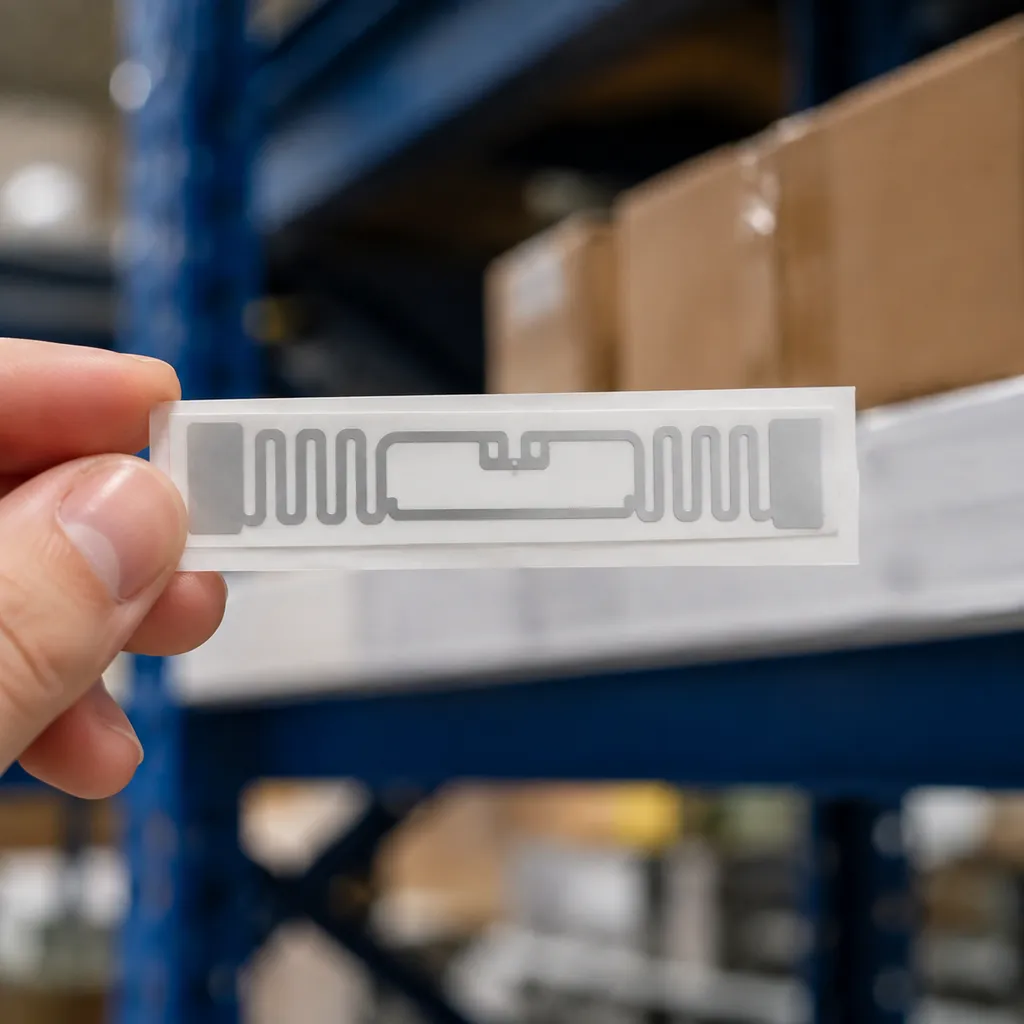
EPC Gen 2 passive UHF RFID tag builds pair GS1 standard Class 1 Generation 2 silicon with tuned RFID antenna inlays for warehouse, asset, and logistics rollouts.
Retail & apparel: Serialized EPC memory bank encoding on hangtags and carton labels.
Industrial assets: Mount-on-metal and high-temperature tags for steel racks and process lines.
Cross-border logistics: 902–928 MHz and 865–868 MHz tuning under regional ISM band plans.
EPC Gen 2 Passive UHF RFID Tag Applications — Warehouse, Retail & Assets
Typical deployment scenarios for epc gen 2 passive uhf rfid tag builds:
Key Application Scenarios
- Warehouse Layout & Inventory Control: Stop doing manual cycle counts. Our passive UHF RFID tag technology allows fork trucks and handheld readers to scan entire warehouse zones in seconds, keeping your inventory accuracy locked at over 99%.
- Logistics Tracking & Supply Chain Visibility: Track goods from the manufacturing floor to the distribution center. These RFID logistics tag solutions feed real-time location data directly into your ERP, ensuring zero lost shipments.
- Fixed Asset Management & IT Hardware Tracking: Servers, laptops, and office assets tend to walk away. Our passive RFID asset tag lineup includes specialized, low-profile designs that stick securely to IT hardware, simplifying compliance audits.
- Retail Apparel & Item-Level Tagging: Speed up the checkout line and secure your stock. High-sensitivity UHF RFID label designs integrate seamlessly into hangtags, giving retail managers instant stock visibility and robust loss prevention.
- Pallet, Crate, & Container Tracking: Heavy transit requires rugged tracking. We build durable C1G2 RFID tag options that withstand the physical abuse of freight shipping, tracking reusable plastic containers (RPCs) and wooden pallets through multiple logistics loops.
- Industrial Tool & Returnable Asset Control: Calibrated tools and returnable transit items (RTIs) represent massive capital. Our on-metal RFID tag options mount directly onto steel tools and equipment, preventing costly project delays due to misplaced gear.
- Library Documents & File Archives Tracking: Keep sensitive paperwork and media organized. Our ultra-thin UHF RFID inlay sheets slide easily between file folders, allowing archive managers to locate specific files instantly without searching box by box.
Mount-on-Metal & High-Temperature Tag Options
Surface and environment drive inlay selection—standard labels, mount-on-metal builds, and high-temperature tags each tune the RFID antenna differently:
Quick Selection Guide by Surface and Environment
| Tag Type | Best For | Typical Applications | Key Feature |
|---|---|---|---|
| Standard Paper Labels & Wet Inlays | Corrugated boxes, plastics, and non-metal assets | Retail apparel, warehouse shipping, file tracking | Cost-effective, thin profile, flexible |
| On-Metal RFID Tags | Steel, aluminum, and metallic surfaces | IT asset tracking, server racks, industrial machinery | Built-in shielding to prevent RF interference |
| Heavy-Duty Outdoor Tags | Wet, dusty, and high-impact environments | Yard management, shipping containers, construction | IP68-rated, UV-stabilized hard shells |
| High-Temperature Tags | Extreme heat and chemical exposure | Paint curing lines, autoclaves, chemical processing | High-grade PPS/Teflon housing, up to 446°F (230°C) |
Customized Material Builds We Offer
- Standard Adhesive Paper Labels & Wet Inlays: Our standard UHF RFID label options feature high-performance acrylic adhesives that bond permanently to cardboard and plastic. These are ideal for high-volume, cost-sensitive supply chain rollouts.
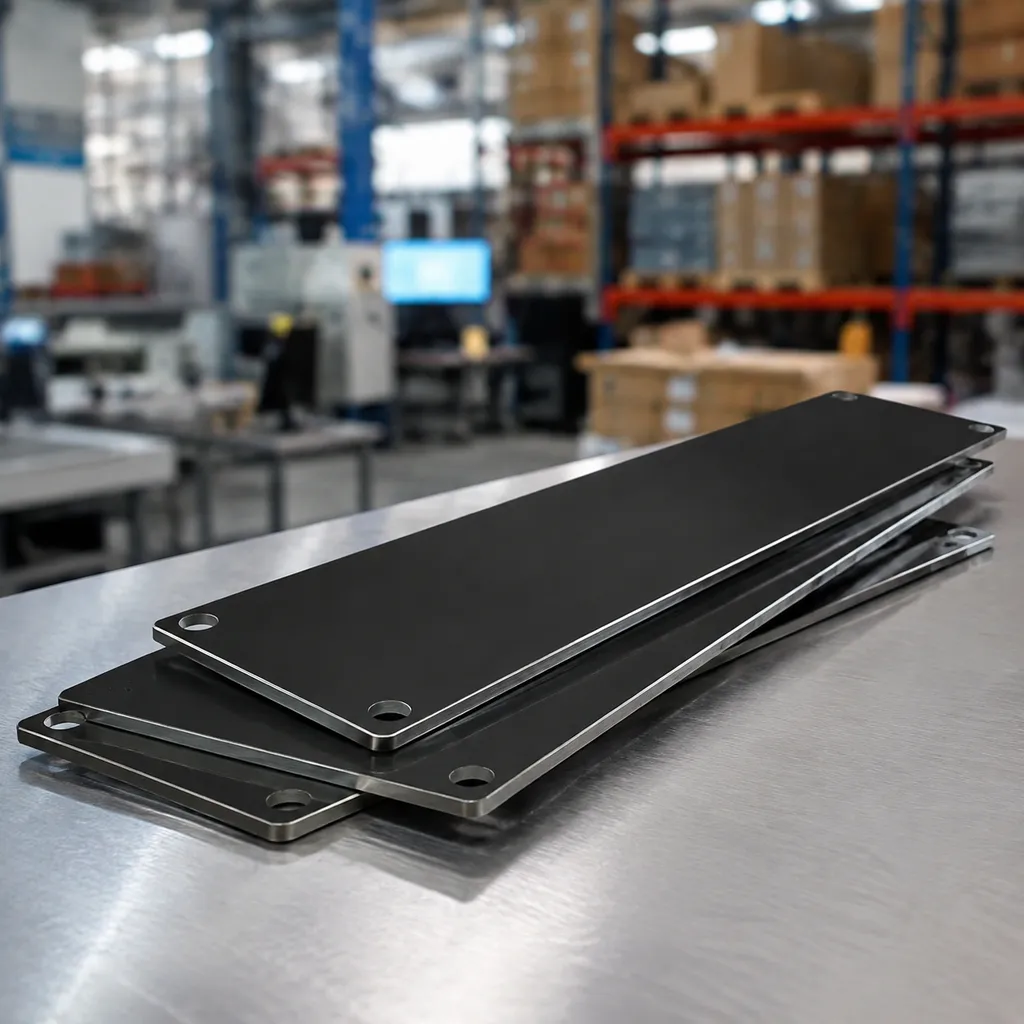
- Anti-Metal RFID Tags for Metallic Assets: Applying a standard tag directly to metal detunes the antenna and kills the read range. Our on-metal UHF RFID tags utilize specialized foam spacers or hard-shell engineering to isolate the antenna, ensuring long-range readability on metallic surfaces.
- Waterproof & Heavy-Duty Outdoor Tags: For asset tracking in open yards, we encase our high-performance transponders in ruggedized ABS, polycarbonate, or silicone housings. These tags resist moisture, dirt, and heavy impacts.
- High-Temperature & Chemical-Resistant Tags: Designed for demanding manufacturing lines, our high-temperature tags withstand aggressive industrial cleaning agents, chemical washes, and extreme heat cycles without losing data or physical integrity.
With mounting surface and read zone defined, the matrix below locks air interface protocol, frequency band, and microchip options.
EPC Gen 2 Passive UHF RFID Tag — Technical Specifications
Core specifications for high-performance epc gen 2 passive uhf rfid tag builds:
These epc gen 2 passive ultrahigh-frequency uhf rfid tags operate as battery-free transponders in the global 860–960 MHz band.
Core Specifications & Operating Parameters
| Parameter | Specification Details |
|---|---|
| Frequency Range | Global 860-960 MHz (including US 902-928 MHz & EU 865-868 MHz bands) |
| Air Interface Protocol | ISO/IEC 18000-6C & EPCglobal Class 1 Gen 2 (C1G2) |
| Genuine Chip Options | Impinj Monza/M700 series, NXP UCODE series, Alien Higgs series |
| Data Retention | Up to 50 years |
| Write Endurance | 100,000 write cycles |
| Operating Temperature | -40°C to +85°C (-40°F to +185°F) [High-temp specialty tags up to 220°C] |

Memory Structure & Chip Architecture
Our passive UHF RFID tag designs utilize genuine, high-sensitivity microchips from industry leaders. The memory is segmented into four distinct banks for secure, structured data management:
- EPC Memory Bank: 96-bit to 128-bit (expandable) for the primary Electronic Product Code payload, fully writable and lockable.
- TID Memory Bank: 64-bit to 96-bit unique, factory-locked silicon identifier (cannot be altered, ensuring absolute anti-counterfeiting).
- User Memory: Optional 0-bit to 512-bit bank for storing custom offline data.
- Reserved Memory: 32-bit Access Password and 32-bit Kill Password for secure tag decommissioning.
Read Range Limits and Antenna Dimensions
The read performance of a UHF RFID label depends heavily on its RFID antenna footprint and the operating environment:
- Standard Wet Inlays & Labels: Typical read range of 3 to 12 meters (10 to 40 feet) using high-gain fixed readers.
- Compact Footprints: Smaller tag designs (e.g., 30mm x 15mm) offer a localized read range of 1 to 3 meters.
- On-Metal Tags: Specialized mount-on-metal configurations deliver a robust 2 to 8 meters of read range directly on metallic assets.
Material Build & Customization Services
We manufacture our tags using premium materials tailored to your specific application environment:
- Face Stock Options: PET, PVC, thermal paper, PP, or ultra-durable FR4 and ceramic for harsh environments.
- Surface Suitability: Standard acrylic adhesives for plastics/corrugated cardboard, or specialized high-tack adhesives for metallic and low-energy surfaces.
- Custom Printing & Encoding: Full-color brand logo printing, variable data barcode/QR code printing, laser engraving, pre-serialization, and custom EPC memory pre-encoding to match your software architecture.
GS1 Standard & EPCglobal Air Interface Protocol
Understanding EPCglobal Class 1 Gen 2
When we talk about an EPC Class 1 Gen 2 tag (often abbreviated as a C1G2 RFID tag), we are referring to the industrial standard defined by the GS1 standard body. This protocol ensures that every epc gen 2 passive uhf rfid tag communicates reliably, quickly, and securely.
- Class 1: Defines the hardware requirements for a write-once, read-many (WORM) or read-write passive RFID tag.
- Generation 2 (Gen 2): Represents the upgraded air interface protocol, offering vastly improved read speeds, better anti-collision algorithms, and superior security compared to legacy systems.
ISO/IEC 18000-6C Protocol Compliance
Our entire product line is fully compliant with the ISO 18000-6C RFID tag specification. This is the international counterpart to the EPCglobal Gen 2 standard.
Because builds meet strict ISO/IEC 18000-6C guidelines, you are guaranteed seamless interoperability. For sibling inlay formats, see Gen 2 UHF RFID tags. Your assets will scan reliably across different global supply chains, international customs checkpoints, and diverse warehouse networks without compatibility issues.
Global UHF Frequency Ranges
UHF RFID does not operate on a single frequency worldwide. Different regions allocate specific ISM band frequencies for passive UHF systems. We design and tune our antennas to meet these distinct regional standards:
| Region | Frequency Range | Tuning Optimization |
|---|---|---|
| United States & North America (FCC) | 902–928 MHz | Optimized for maximum read range under US power regulations. |
| Europe (ETSI) | 865–868 MHz | Specifically tuned to meet European regulatory and power standards. |
| Global / Wideband | 860–960 MHz | Broad-spectrum tuning for assets constantly moving across international borders. |
Universal Middleware and Reader Compatibility
You do not need proprietary hardware to deploy our tags. Our passive UHF RFID tag designs offer plug-and-play compatibility with standard enterprise hardware and software ecosystems:
- Hardware Compatibility: Works flawlessly with industry-standard fixed, handheld, and integrated UHF RFID readers (including Zebra, Impinj, Honeywell, and Alien).
- System Middleware: Fully compatible with enterprise ERPs (like SAP and Oracle) and standard inventory software designed to process Electronic Product Code data.
EPC Memory Bank, Writable Memory & Chip Options
To choose the right EPC Gen 2 passive UHF RFID tag, map how the microchip stores data across four memory banks:
Every ISO 18000-6C RFID tag chip is divided into four distinct memory banks, each serving a specific purpose:
- EPC Memory Bank: This is the primary writable memory bank. It holds your unique Electronic Product Code (EPC) for quick inventory tracking.
- TID (Tag Identifier) Memory: A factory-locked, unalterable unique ID set by the chip manufacturer. This ensures absolute product authenticity.
- User Memory: Optional extra storage space for custom offline data like expiration dates, batch numbers, or maintenance logs.
- Reserved Memory: Houses the access and kill passwords, allowing you to lock data or permanently deactivate the tag for privacy compliance.
Standard Chip Architecture & Memory Allocation
Here is a quick breakdown of the standard GS1 EPC RFID tag memory structure to help you map out your data requirements:
| Memory Bank | Writable? | Typical Capacity | Primary Use Case |
|---|---|---|---|
| EPC Memory | Yes | 96 to 128 bits | Stock control, shipping barcodes, SKU tracking |
| TID Memory | No (Read-Only) | 48 to 96 bits | Anti-counterfeiting, unique serialization |
| User Memory | Yes | 0 to 512+ bits | Storing local manufacturing or maintenance logs |
| Reserved Memory | Yes | 64 bits | Password protection and permanent kill commands |
Industry-Standard Chip Models We Support
We source genuine, high-performance silicon to manufacture our writable RFID tags. Depending on your read range and memory requirements, we typically recommend three major chip families:
- Impinj Monza / M700 Series: Renowned for extreme sensitivity, fast bulk inventory speeds, and compact antenna profiles. Ideal for retail apparel and fast-moving supply chains.
- NXP UCODE Series: Offers excellent RF performance, robust security features, and generous user memory options for complex industrial tracking—see high-memory UHF RFID tag layouts when writable memory exceeds standard EPC payloads.
- Alien Higgs Series: Known for stable, long-range reading on diverse materials, making them a solid choice for general passive RFID asset tags. Specialty silicon with embedded temperature sensor paths is available for process or cold-chain monitoring builds on request.
Data Security, Lifespan, and Write Resistance
Our C1G2 RFID tags are built to withstand rigorous industrial life cycles.
- 100,000 Write Cycles: You can rewrite the EPC and User memory banks up to 100,000 times before any chip degradation occurs.
- 50-Year Data Retention: Once written, your data remains secure and readable without power for up to five decades.
- Permanent Data Locking: We can permanently lock the EPC memory post-encoding to prevent unauthorized overwrites in the field.
Performance Features — Class 1 Generation 2 Bulk Scanning
EPC Gen 2 passive uhf rfid tags in this line deliver maximum read accuracy and speed under the most demanding warehouse and industrial conditions. By combining advanced chip design with precision-tuned antennas, we ensure your tracking systems perform flawlessly.
Performance & Security Breakdown
| Feature | Technical Capability | Primary Benefit |
|---|---|---|
| Long-Range Reading | Up to 15+ meters (50+ feet) detection range | Rapid tracking of high-up pallet racks and fast-moving dock doors. |
| Anti-Collision Tech | Reads up to 1,000+ tags per second | Instant, bulk scanning of entire mixed pallets without missed items. |
| High RF Sensitivity | Excellent performance in crowded RF environments | Reliable data capture even near metals, liquids, or dense packaging. |
| Tamper-Evident Security | Destructive antenna or fragile paper substrate | Tag self-destructs upon removal, preventing fraud or asset transfer. |
- Unmatched Bulk Scanning: Utilizing the standard Class 1 Generation 2 anti-collision protocol, our tags prevent signal interference. This allows RFID readers to inventory hundreds of assets simultaneously in seconds.
- Built-in Security Layers: Protect your supply chain integrity. Our secure memory architecture supports access and kill passwords, while our physical tamper-evident structures guarantee that once a passive UHF RFID tag is applied, it cannot be transferred to another asset undetected.
EPC Gen 2 Passive UHF RFID Tag: Product Overview
What is an EPC Gen 2 Passive UHF RFID Tag?
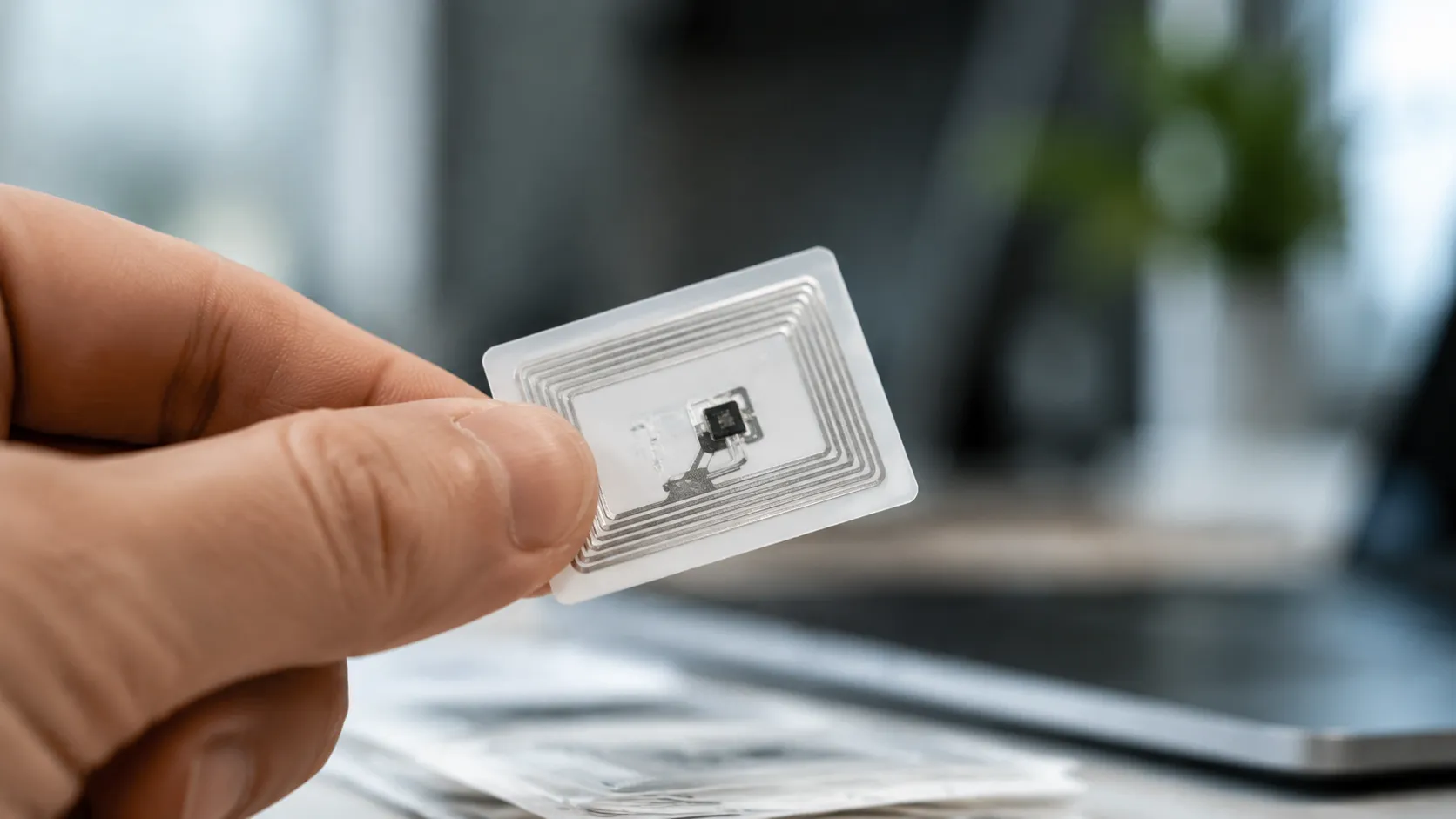
An EPC Gen 2 passive UHF RFID tag (also known as a C1G2 RFID tag) is a battery-free tracking device designed for high-speed, bulk identification. By combining an integrated microchip and a specialized RFID antenna, these tags offer a highly durable, cost-effective solution for tracking assets without requiring a direct line of sight.
How Reader-Powered Passive RFID Technology Works
Our passive RFID tags run entirely on harvested radio frequency (RF) energy. The table below outlines this seamless communication loop:
| Phase | Action | Technical Process |
|---|---|---|
| 1. Signal Emission | Reader Query | The UHF RFID reader broadcasts electromagnetic waves across the 902-928 MHz ISM band. |
| 2. Tag Activation | Energy Harvesting | The passive UHF RFID tag captures this RF energy through its built-in antenna to wake up the microchip. |
| 3. Data Transmission | Backscatter Response | The chip modulates the signal and reflects back its unique Electronic Product Code (EPC) to the reader. |
Why Global Supply Chains Choose EPC Class 1 Gen 2 Tags
Global logistics and warehousing rely on the GS1 EPC RFID tag standard for several key reasons:
- Universal Compatibility: Fully compliant with the global ISO 18000-6C air interface protocol for seamless cross-border logistics.
- Rapid Bulk Scanning: Advanced anti-collision protocols allow readers to scan hundreds of UHF RFID label products simultaneously.
- Extended Read Range: Offers long-range RFID tag performance, capturing data from over 10 meters away.
- Lower Total Cost of Ownership: Lacking a battery, our UHF RFID inlay options provide an unlimited operational lifespan at a fraction of the cost of active tracking systems.
OEM Customization — Encoding, Printing & Antenna Tuning
Customization covers antenna tuning, pre-encoding, and face materials for each epc gen 2 passive uhf rfid tag rollout:
Custom Dimensions and Antenna Design
- Tailored Form Factors: We design and manufacture custom sizes to fit unique asset footprints, from micro-tags for IT assets to large labels for industrial pallets.
- Custom Antenna Tuning: Our engineers design and tune the RFID antenna to maximize read ranges on challenging materials like glass, plastics, or liquids.

Pre-Encoding and Barcode Printing
- Variable Data Printing: We handle high-resolution printing of 1D/2D barcodes, QR codes, and human-readable serialized data.
- Pre-Encoding Services: We pre-program your writable memory (including EPC memory bank and User memory) with custom serialization, hexadecimal strings, or GS1 standards before shipping, making your tags plug-and-play right out of the box.
- Laser Engraving: For rugged environments, we offer permanent laser engraving on hard shell tags to ensure data remains legible over years of heavy use.
Custom Brand Branding and Artwork
- Full-Color Printing: Showcase your company identity with custom-printed brand logos, warning text, or color-coded designs.
- Artwork Alignment: We match your exact brand guidelines using durable, UV-resistant inks that do not interfere with the RF performance of the UHF RFID inlay.
Specialized Adhesives and Face Materials
- High-Performance Adhesives: Choose from industrial-grade 3M adhesives for low-surface energy plastics, rough wood, or high-vibration metallic surfaces.
- Face Material Selection: We offer a variety of face materials, including thermal transfer paper, durable PET, polyimide for high-heat environments, and destructible materials for tamper-evident security.
Manufacturing & Factory QC for Passive UHF Tags
At JN RFID, we maintain complete control over the entire production cycle of our epc gen 2 passive uhf rfid tag line. By manufacturing our tags in-house, we guarantee high-yield performance, cost efficiency, and reliable lead times for high-volume supply chains.
Our High-Volume Production Capabilities
We operate a state-of-the-art facility equipped with high-speed bonding, converting, and encoding machinery. This advanced manufacturing infrastructure allows us to deliver millions of RFID tags monthly to support demanding logistics and retail operations.
- Precision Antenna Etching: Advanced aluminum and copper etching to match exact frequency requirements.
- Automated Chip Strap Bonding: Ultra-precise placement of genuine Impinj, NXP, or Alien microchips on the UHF RFID inlay.
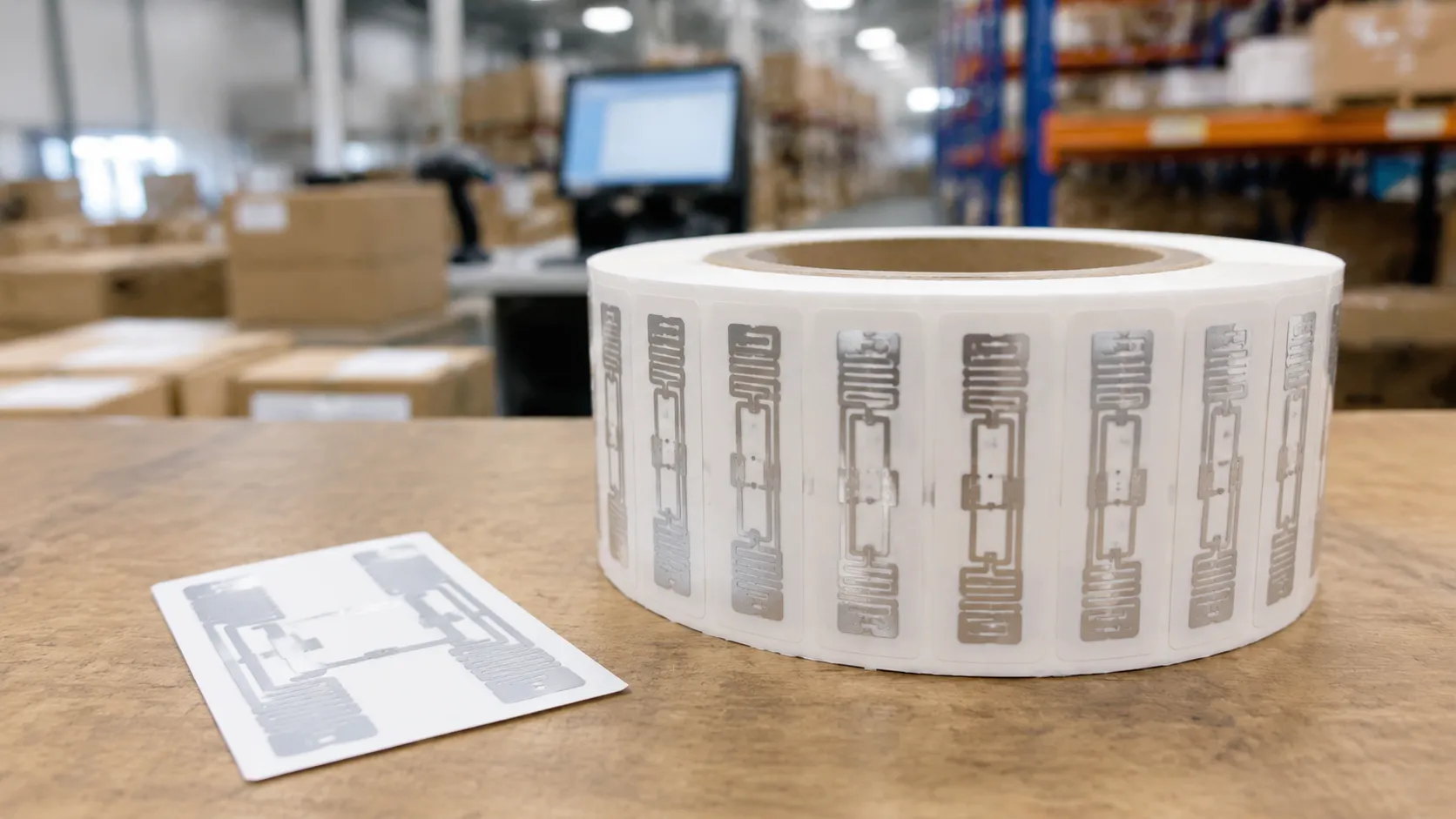
- High-Speed Roll-to-Roll Converting: Seamless lamination of face materials, specialty adhesives, and release liners to produce durable UHF RFID labels.
100% Antenna Consistency and QA Testing
A single failing tag can disrupt an entire automated warehouse workflow. That is why we implement rigorous quality control checkpoints at every critical phase of manufacturing.
- Spectrometer Tuning: We verify that every passive UHF RFID tag is perfectly tuned to the target frequency band (such as the US 902-928 MHz ISM band) before final lamination.
- 100% Read/Write Verification: Every tag undergoes automated high-speed scanner testing to confirm writable memory responsiveness and ensure there are zero dead tags on a roll.
- Adhesive and Peel Testing: We conduct shear strength and environmental stress testing on our face materials to guarantee our tags stay secure on plastics, corrugated cardboard, and specialized surfaces.
Global Export and ISO Compliance
Our production processes are fully certified to meet the strict quality and environmental standards required by international enterprise partners.
| Standard / Certification | What It Means for Your Project |
|---|---|
| ISO 9001:2015 | Strict quality management systems governing all manufacturing steps. |
| ISO/IEC 18000-6C | Complete protocol compliance for universal reader compatibility. |
| RoHS & REACH | Environmentally safe materials, free from restricted hazardous substances. |
| GS1 EPCglobal | Full alignment with global serialization and supply chain tracking standards. |
Why Source EPC Gen 2 Passive UHF RFID Tags from JN RFID
Factory-direct supply keeps EPC Gen 2 passive UHF RFID tag builds aligned with global protocol standards and enterprise reader middleware:
By controlling the entire production line, we guarantee consistent antenna performance, reliable chip integration, and competitive scaling options for enterprise buyers.
Direct Factory Advantage vs. Traditional Distributors
| Feature | JN RFID (Direct Manufacturer) | Typical RFID Distributors |
|---|---|---|
| Pricing Structure | Factory-direct pricing with zero markup | High distributor markups and hidden fees |
| OEM/ODM Flexibility | Fully custom antennas, sizes, and adhesives | Off-the-shelf, standard stocking units only |
| Technical Support | Direct access to RF design engineers | Basic customer service ticketing systems |
| Lead Times | Fast, prioritized factory production runs | Dependent on third-party importer stock levels |

Our Core Manufacturing Strengths
- Factory-Direct Pricing & Low Overhead: We keep our operations lean and pass those savings directly to you. Buying your passive UHF RFID tag supply directly from our factory floor keeps your per-tag cost low, maximizing your project's ROI.
- Expert Engineering Support for Asset Tracking: We don't just sell tags; we solve tracking problems. Our engineering team helps you select the right chip, tune the antenna for difficult RF environments, and run physical performance tests on your specific assets.
- Flexible OEM/ODM Capabilities: Whether you need a custom-dimension UHF RFID label, specialized mount-on-metal backing, or a specific high-temperature enclosure, we tailor our manufacturing to your precise project specifications.
- Fast Global Shipping & Reliable Lead Times: We maintain raw material safety stock to ensure quick production turnaround. We coordinate reliable global logistics to deliver your custom-encoded tags directly to your warehouse or job site without unexpected delays.
Ordering Information
We make it simple and straightforward to get the exact epc gen 2 passive uhf rfid tag solutions you need for your deployment. From initial testing to high-volume production, here is how we handle your orders and logistics.

Request Your Free Test Samples
Choosing the right passive UHF RFID tag depends heavily on your specific environment and surface materials. We offer free sample packs so you can test our tags with your readers before committing to a bulk order.
How to request: Reach out to our team with your project details, surface types (e.g., metal, plastic, cardboard), and preferred chip model.
What you get: A curated selection of wet inlays, dry inlays, or on-metal samples delivered directly to your facility.
MOQ and Manufacturing Lead Times
We balance flexible ordering with high-speed, factory-direct manufacturing to keep your project on schedule.
| Product Type | Minimum Order Quantity (MOQ) | Standard Production Lead Time |
|---|---|---|
| Standard UHF RFID Labels / Inlays | 10,000 pcs | 7–10 business days |
| On-Metal & Heavy-Duty Tags | 1,000 pcs | 10–12 business days |
| Custom Antenna / Custom Printing | Contact us | 12–15 business days |
Packaging Styles and Export Logistics
We secure and package every shipment to ensure your EPC Class 1 Gen 2 tags arrive in perfect working condition, ready for manual application or automated print-apply machines.
- Roll/Reel Packaging: Ideal for automatic industrial printers and applicators. Standard roll cores are 3 inches (76mm) with clear pitch markings.
- Single/Piece Packaging: Hard tags and heavy-duty assets are packed in individual pieces, organized in partitioned, anti-static boxes.
- Global Shipping & Customs: We handle all export documentation and offer flexible shipping terms (FOB, EXW, DDP). We partner with major express carriers (DHL, FedEx, UPS) for fast 3-to-5 day delivery to the US and global locations, as well as air and ocean freight for high-volume bulk shipments.
FAQ
What is the read range of an EPC Gen 2 passive UHF RFID tag?
Under optimal conditions, our standard EPC Gen 2 passive UHF RFID tags achieve a read range of 1 to 15 meters (3 to 50 feet). The exact distance depends on the antenna size, the output power of your reader, and environmental obstacles.
Do these tags require a battery to operate?
No. These are passive UHF RFID tags, meaning they run on zero battery power. They remain dormant until they enter the read zone, where they harvest energy directly from the radio waves emitted by the RFID reader. This makes them maintenance-free with an virtually unlimited operational lifespan.
Can these tags work on metal surfaces or liquids?
Standard dry or wet inlays will detune and fail on metal or liquids. However, we manufacture specialized mount-on-metal RFID tags designed with a built-in isolation barrier. This ensures reliable performance on metallic assets, IT equipment, and liquid-filled containers.
Which chip should I choose for my project?
Your choice depends on your specific application, read speed requirements, and required EPC memory capacity. Here is a quick reference guide:
| Chip Family | Best For | Key Strengths |
|---|---|---|
| Impinj (M700 / Monza Series) | Retail, apparel, high-speed bulk scanning | Industry-leading sensitivity, rapid inventory counts |
| NXP (UCODE Series) | Logistics, industrial tracking, supply chain | Excellent read range, robust security features |
| Alien (Higgs Series) | General asset tracking, high-volume labeling | Reliable performance, cost-effective scaling |
Can you ship pre-encoded tags with custom barcodes?
Yes. We offer complete custom encoding and printing services at our factory. We can pre-program the EPC memory with your specific serialized data and match it perfectly to printed 1D barcodes, 2D DataMatrix, or QR codes on the tag surface.
What is your minimum order quantity and sample policy?
- Free Test Samples: We provide free sample packs of our standard tags so you can verify performance in your actual operating environment before committing.
- MOQ: Our standard Minimum Order Quantity is 1,000 pieces for standard adhesive paper labels. Custom dimensions or heavy-duty specialized tags may vary.
Request a Quote
Share IC family, EPC memory bank sizing, surface type (mount-on-metal or standard inlay), and annual volume for a configured epc gen 2 passive uhf rfid tag quote.
Contact JN RFID with reader model, encoding scope, and sample test results from your facility.