Overview
Ultra Small UHF RFID Tag RAIN — Miniature Wet Inlay for Item-Level Tracking
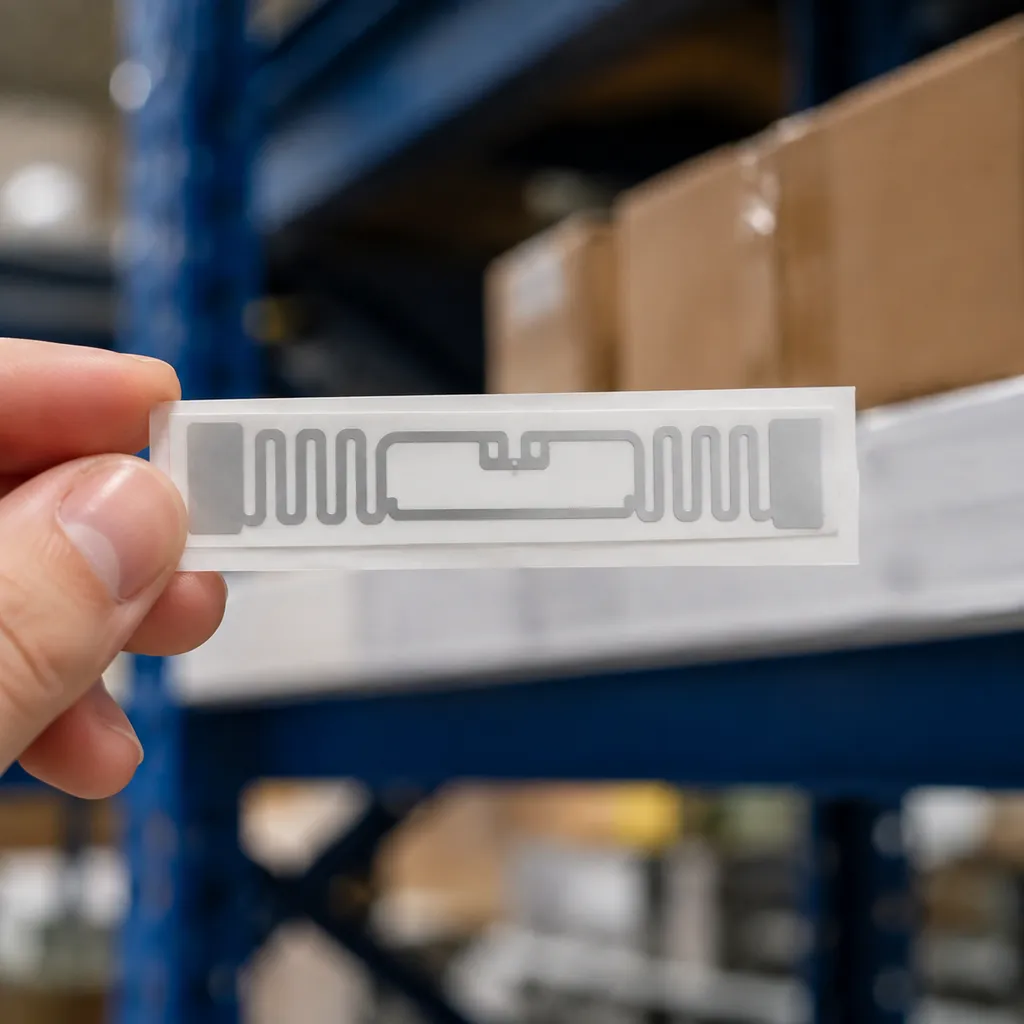
The ultra small UHF RFID tag RAIN is a miniature film-based wet inlay transponder engineered for high-performance RF communication within a compact form factor. Compact passive RFID tags operate without batteries across US (902–928 MHz), EU (865–868 MHz), and full Global wideband (860 to 960 MHz) ultra high frequency standards.
Flexible wet inlay mounting with high-tack adhesive backing supports curved non-metal packaging, wearable technology, and item level tracking on compact retail and medical packaging. Factory-integrated Impinj Monza (including Monza 5) silicon delivers read sensitivity for miniature RFID deployments.
RF & Electrical Characteristics
Compact passive RFID tags operate without batteries, harvesting power directly from incoming reader RF energy for maintenance-free operation over long service lifecycles.
- Frequency Coverage: Seamless operation across US (902–928 MHz), EU (865–868 MHz), and full Global wideband (860–960 MHz) standards.
- Coupling Dynamics: Optimized for near-field loop interaction and short-range far-field coupling, preventing stray reads in dense asset environments.
- Protocol Standard: Fully compliant with ISO/IEC 18000-63 and EPC Gen2v2 specifications.
Integrated Circuit & Memory Architecture
Top-tier IC silicon is integrated into miniature RAIN RFID transponders to ensure high read sensitivity and robust data retention.
- Silicon Platform: Factory-integrated Impinj Monza (including Monza 5) and Impinj M700 series ICs.
- Memory Allocation: 96-bit to 128-bit EPC field memory paired with scalable User Memory structures.
- Data Security: Supports permanent chip lock parameters and factory kill-command capabilities for sensitive supply chain applications.
Physical Dimensions & Form Factor Variants
| Variant | Physical Dimensions | Target Deployment | Mounting Method |
|---|---|---|---|
| Micro Ceramic Series | Down to 1.25 mm × 1.25 mm × 0.55 mm | Recessed embedding in surgical tools & micro assets | Epoxy potting / Flush slot embedding |
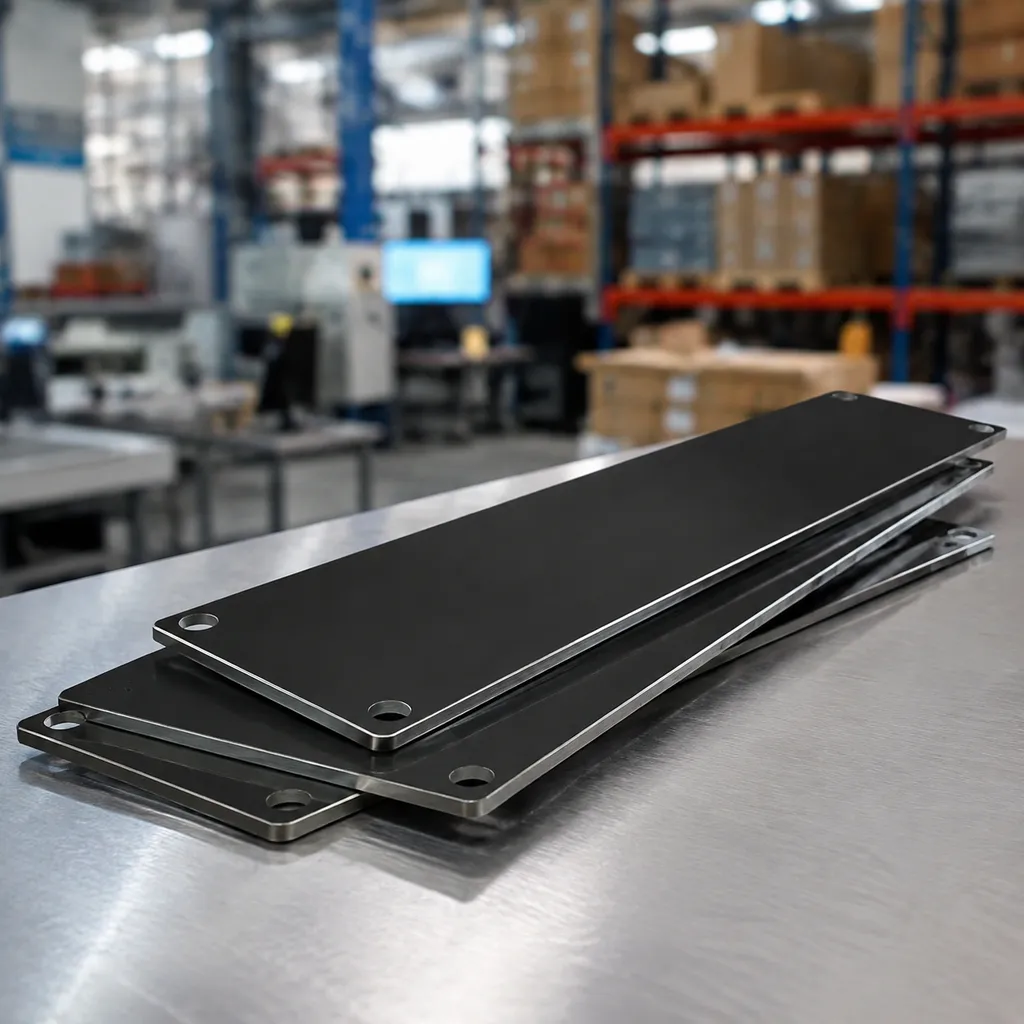
| Rigid PCB / On-Metal | Ultra-thin profiles (< 1 mm depth) | Direct mounting on metallic surfaces & tools | 3M VHB Industrial Adhesive / Mechanical slot |
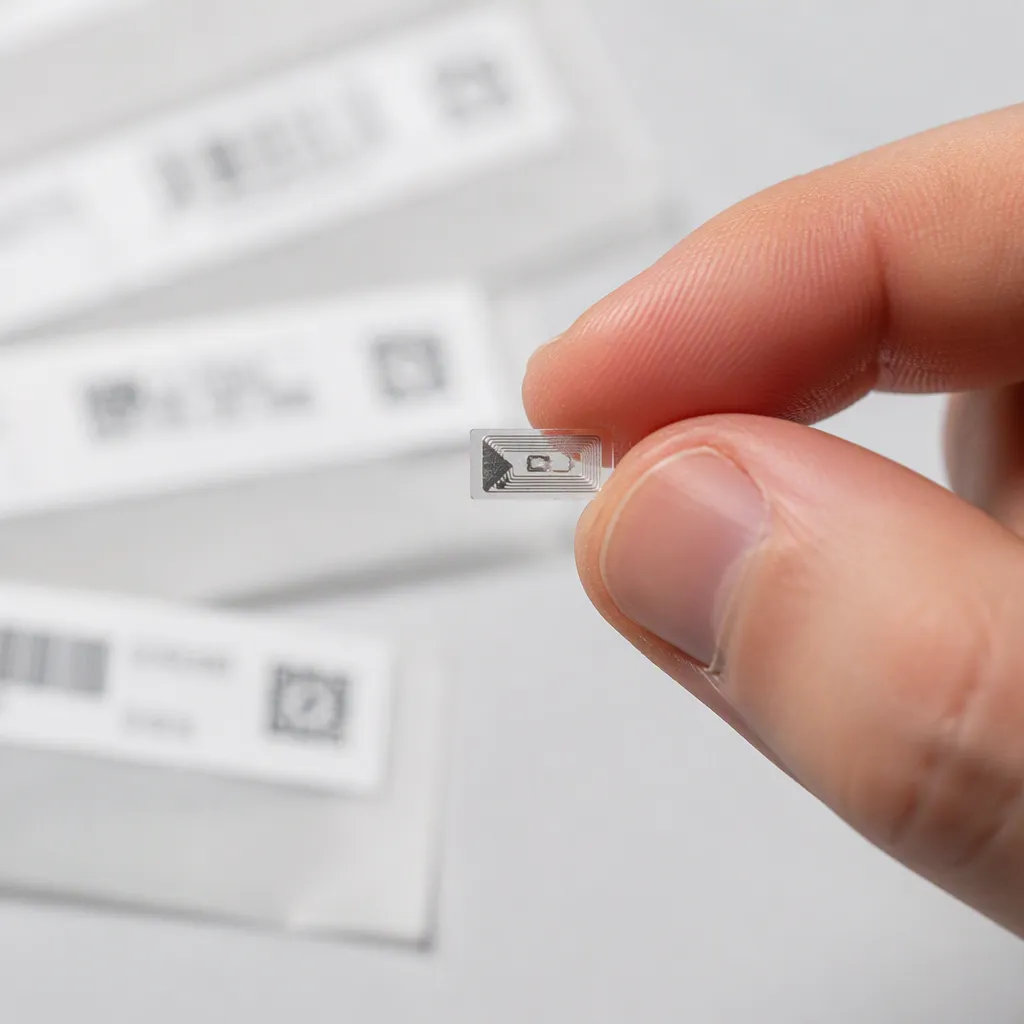
| Flexible Wet Inlay | Miniature film-based inlay | Curved non-metal packaging & wearables | High-tack adhesive backing |
Antenna Compatibility & Read Range Optimization
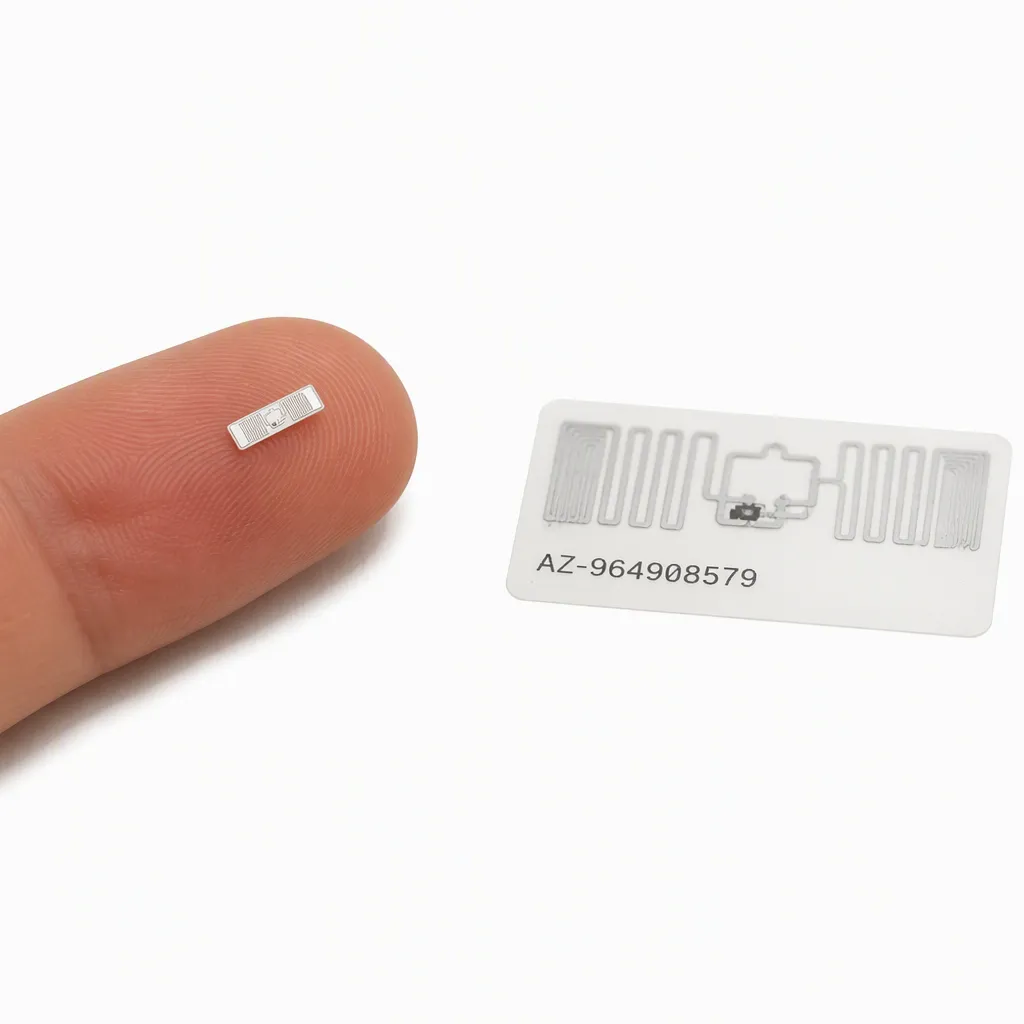
Read distance for an ultra small UHF RFID tag rain transponder depends on antenna aperture at millimeter scale. Miniature passive RFID tags maximize energy transfer efficiency for dependable short-range and precision tracking.
Realistic Read Range Parameters
Micro antennas trade long-distance reads for extreme space savings. Depending on tag footprint, chip sensitivity, reader output, and surrounding materials, expect read distances from touch-contact up to 1 meter (3.3 feet).
| Form Factor & Mounting | Typical Read Range | Primary Use Case |
|---|---|---|
| Micro Ceramic (Metal-Recessed) | 2 mm to 0.3 m | Surgical hand tools, drill bits, precision calipers |
| Rigid On-Metal PCB Tag | 0.1 m to 0.8 m | Power tools, IT hardware, industrial jigs |
| Miniature Flexible Inlay | 0.2 m to 1.0 m | Medical vials, curved plastic goods, compact packaging |
Reader & Antenna Pairing Guidelines
Achieving 100% read rates with a short-range near-field UHF tag requires matching reader hardware and power settings to the operating environment:
- Near-Field Loop Antennas: Ideal for dense item-level tracking, tray scans, and tray-based surgical tool check-ins. Magnetic field coupling provides sub-centimeter read control with zero risk of reading adjacent items.
- Far-Field Circular Polarized Antennas: Recommended for desktop readers and small exit portals operating between 0.1 m and 1 m. Circular polarization ensures reliable reads regardless of tag rotation.
- Power & Gain Calibration: Keep reader transmit power tuned between 20 dBm and 27 dBm. Over-powering micro tags can saturate the IC chip or trigger interference from nearby metal structures.
- Tag Alignment Strategy: Position micro tags parallel to the antenna’s primary field vector, or utilize multi-axis reader antennas to guarantee full 360-degree detection.
Weatherproofing & Environmental Durability
An ultra small UHF RFID tag must survive continuous rain, high-pressure washdowns, and extreme thermal cycles. Outdoor moisture and harsh chemicals quickly degrade standard tags. Micro transponders use fully sealed, high-durability housings for consistent RF performance in harsh environments.
IP68 Waterproofing for Rain and Moisture Exposure
The ultra small UHF RFID tag rain-rated series features an IP68-rated sealed construction designed to lock out moisture completely.
- 100% Waterproof Seal: Prevents water ingress from heavy rain, condensation, splashes, and direct high-pressure outdoor washdowns.
- Corrosion-Resistant Housing: Built with advanced polymers and ceramics that resist corrosion from saltwater, high humidity, and atmospheric exposure.
- Stable Signal Retention: Engineered antenna structures prevent RF detuning when exposed to liquid layers or high humidity.
Thermal Resilience and Plastic Overmolding
For industrial asset tracking, micro tags must survive extreme heat, cold, and harsh chemical treatments during manufacturing and daily use.
- Extended Operating Range: Standard operation covers -40°C to +85°C (-40°F to +185°F).
- High-Temp Potting Variants: Specialized micro tags withstand extreme thermal spikes up to +200°C (+392°F).
- Injection Overmolding Support: Formulated with high-durability resins engineered to withstand the pressures and heat of plastic injection overmolding, epoxy encapsulation, and potting.
- Chemical Defense: High resistance to industrial lubricants, fuels, solvents, and aggressive sterilizing agents.
Industry Applications & Integration Use Cases
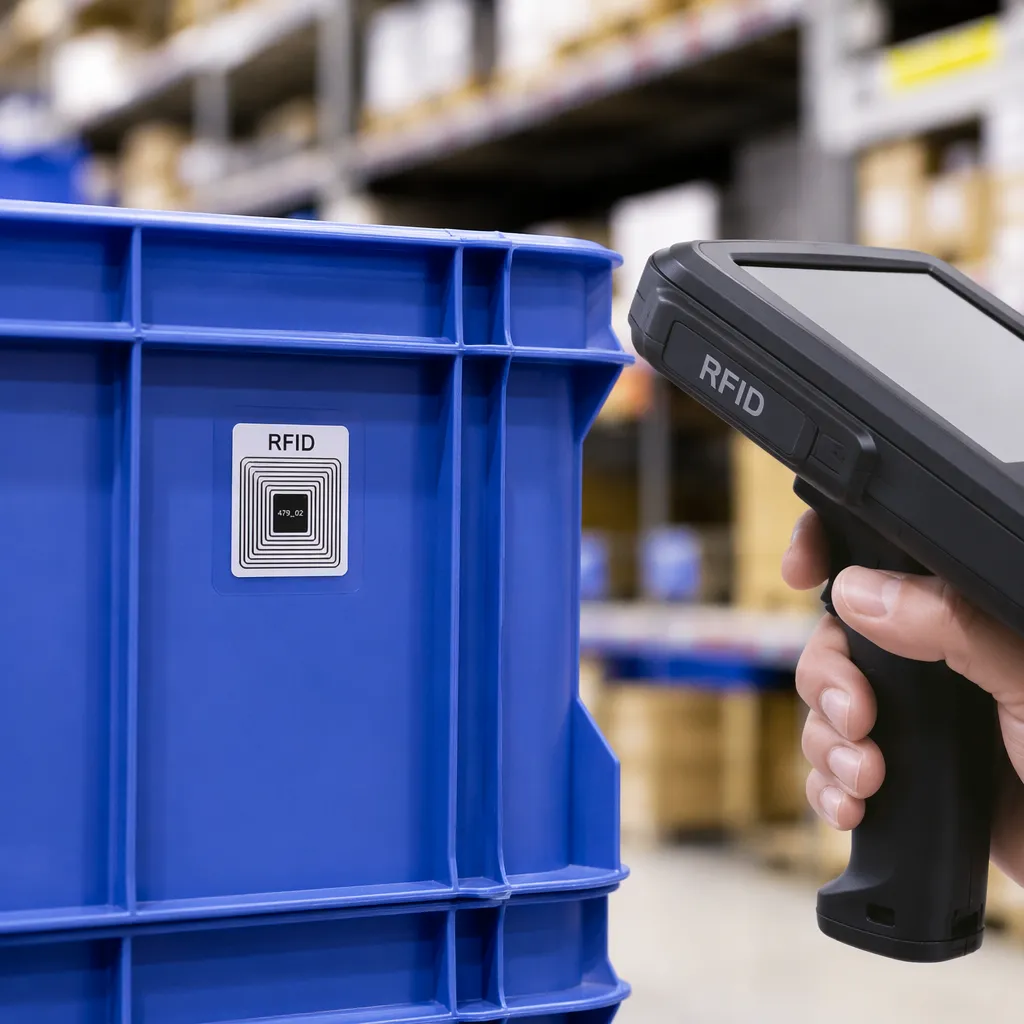
Harsh deployments demand a transponder that maintains reliable RF performance. The ultra small uhf rfid tag rain lineup integrates into tight spaces, flush metal recesses, and high-moisture environments where standard tags fail.
Medical Device & Surgical Instrument Tracking
Managing item level tracking for surgical hand tools and diagnostic trays requires non-intrusive form factors that endure extreme sterilization routines.
- Flush Embedding: Mounts directly into stainless steel scalpels, forceps, and tray slots without disrupting ergonomic grip.
- Autoclave Proof: Thermal-resistant resin survives repeated high-pressure steam and chemical washdown cycles.
- Full Traceability: Simplifies compliance by creating reliable, automated inventory logs for healthcare devices.
Tool & High-Value Industrial Asset Management
Standard tags get knocked off small power tools, calibrators, and drill bits during heavy operation.
- Recessed Metal Mounting: Micro metal mount tag designs fit inside shallow pre-drilled slots, preserving the tool's smooth outer profile. For longer-range metal assets, see ultra-thin UHF RFID metal tags.
- Vibration & Shock Resistance: Potted construction withstands heavy machinery torque, drops, and severe workshop vibration.
- Streamlined Tool Cribs: Accelerates real-time checkout and return workflows for automated tool tracking and asset tracking — compare sibling micro UHF custom RFID tags for alternate footprints.
Wearables & Compact Consumer Electronics
Space-constrained hardware demands high RF performance within a minimal physical footprint.
- Inconspicuous Integration: Embeds cleanly inside smart rings, wearable technology, luxury goods, and small home appliances.
- Enclosure Optimization: Maintains optimal read performance through plastic, rubber, and glass housings without adding bulk.
- Brand Protection: Offers factory-encoded crypto-authentication to stop counterfeiting and streamline warranty claims.
Outdoor & Moisture-Exposed Equipment Monitoring
Water ingress and UV exposure quickly degrade standard labels. Each ultra small uhf rfid tag rain transponder uses IP68-rated seals to maintain operational read rates outdoors indefinitely.
| Deployment Area | Primary Environmental Hazard | Engineering Integration Solution |
|---|---|---|
| Water Meters & Valves | Continuous rain, spray, and condensation | Sealed micro-ceramic housing preventing fluid penetration |
| Cable Assemblies & Wiring | Flexing, outdoor rain, and extreme UV | Flexible mini wet inlay embedded directly inside protective jackets |
| Utility Infrastructure | Weather exposure, dirt, and washdowns | High-durability passive rfid casing for long-term inventory management |
Custom OEM and ODM Solutions for Ultra Small UHF RFID Tag RAIN Systems
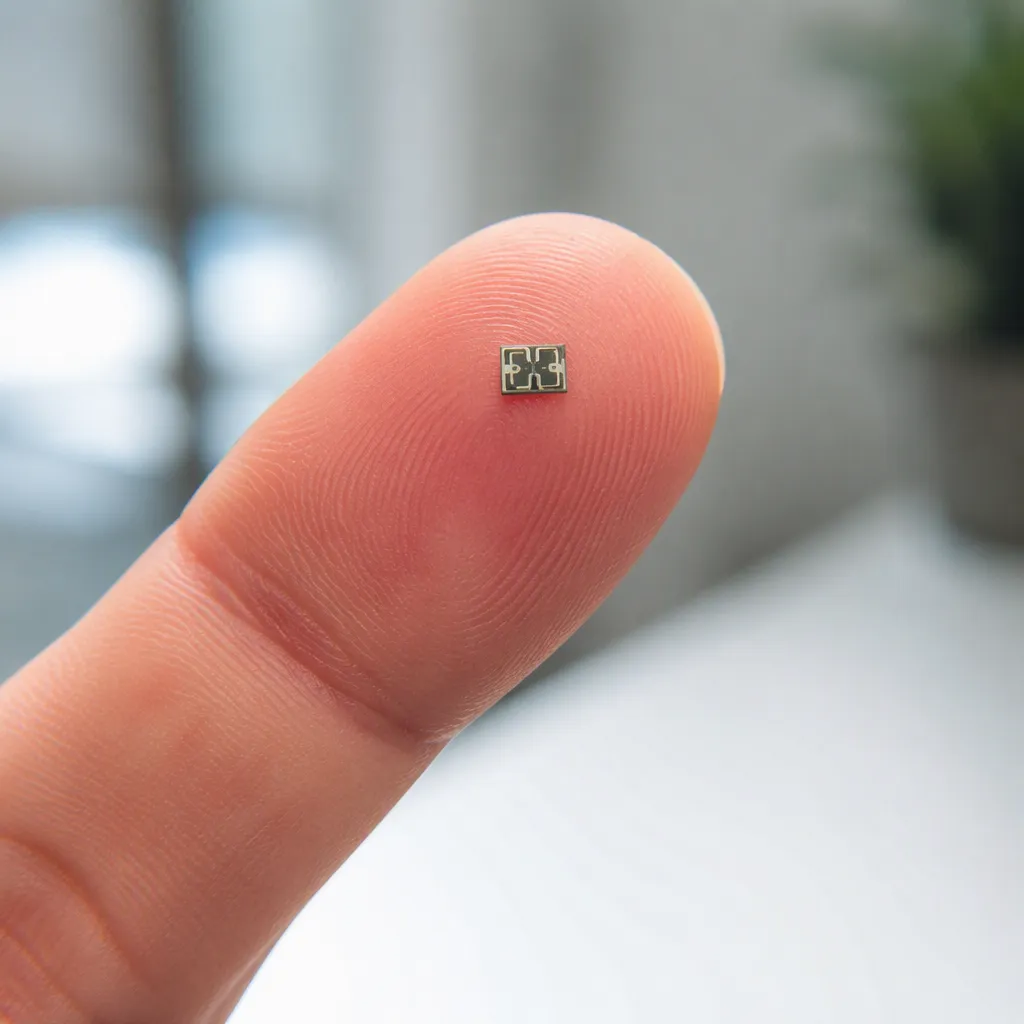
Specialized form factors and custom performance tuning are available for demanding applications. Tailored engineering covers every ultra small uhf rfid tag rain deployment for seamless hardware and asset tracking integration.
Custom Encapsulation and Heavy-Duty Adhesives
Physical and environmental requirements map to ruggedized packaging options:
- Protective Housings: Custom epoxy potting, micro-ceramic shells, and flexible polyimide outer layers.
- Industrial Backing: Premium 3M industrial adhesives selected specifically for high-bond attachment to bare metal, plastics, or curved surfaces.
Factory Pre-Encoding and Laser Marking
Factory custom data mapping and optical identification streamline deployment:
| Customization Feature | Technical Capabilities |
|---|---|
| Chip Pre-Encoding | Customized EPC and User Memory programming adhering to GS1 SGTIN standards. |
| Variable Data Marking | High-precision laser etching for serial numbers, 2D DataMatrix codes, and QR codes. |
Rapid RF Tuning and Fast Prototyping
Target materials shift RF resonance. Tag antennas are optimized for the host substrate to maximize read rates and operational stability:
- In-House RF Engineering: Custom antenna design tailored to unique dielectric properties and tight enclosures.
- Fast Sample Turnaround: Fully functional prototype samples engineered and delivered within 5 to 7 business days.
Quality Assurance & Factory Standards

Miniature tags must survive real-world deployment without early line failures. Early failure rates are screened before shipment. Manufacturing micro-scale hardware demands zero tolerance for process variations. Every ultra small uhf rfid tag rain transponder is built under strict quality controls for long-term field reliability.
100% Pre-Shipment Electronic Validation
Random spot-checking is not used. Every tag undergoes complete functional testing on automated inspection lines before final packaging.
- Automated Memory & RF Verification: 100% chip-level read/write validation across full operational frequency ranges.
- Defect Rejection: Any tag failing RF sensitivity thresholds or memory write checks is automatically culled, ensuring a zero dead-on-arrival (DOA) rate.
Cleanroom Manufacturing Infrastructure
Building sub-millimeter tags requires exact chip placement and clean assembly.
- High-Precision Flip-Chip Bonding: Automated die-attach equipment ensures exact chip-to-antenna alignment and permanent mechanical bonding.
- ISO 9001:2015 Cleanrooms: Encapsulation and inlay manufacturing take place in certified cleanrooms to prevent dust and airborne moisture contamination.
Global Compliance Standards
Passive micro transponders comply with global radio and environmental directives for seamless international deployment.
| Standard / Certification | Specification & Scope |
|---|---|
| ISO/IEC 18000-63 (EPC Gen2v2) | Full interoperability with standard RAIN RFID reader hardware |
| FCC & CE | Certified RF performance for US (902–928 MHz) and EU (865–868 MHz) operation |
| RoHS & REACH | Built with eco-friendly materials free of hazardous chemicals |
Procurement & Supply Chain Details
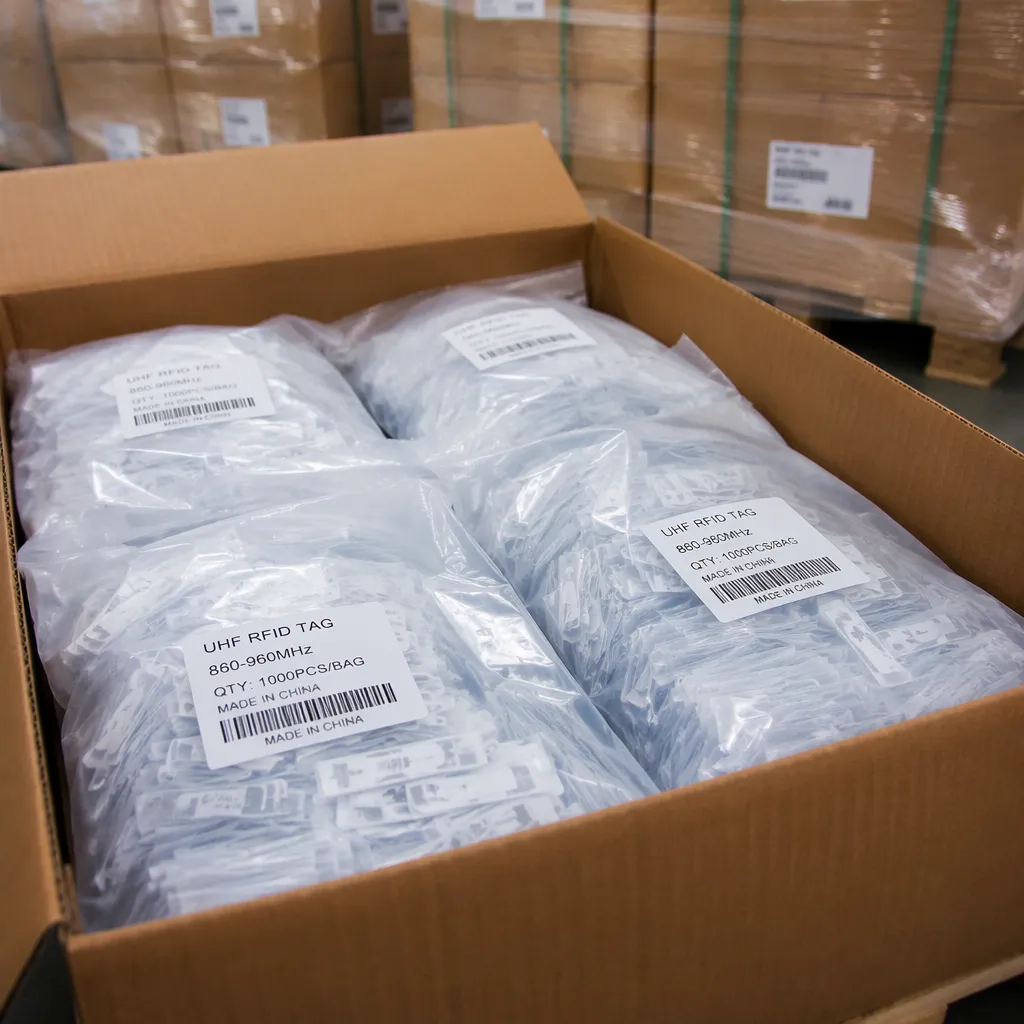
Scaling a deployment with an ultra small UHF RFID Tag RAIN solution requires predictable lead times, transparent pricing, and direct technical support. Logistics stay lean and flexible from prototyping through high-volume integration.
Flexible MOQs & OEM Tiered Pricing
Initial integration builds and full-scale OEM rollouts use tiered pricing structures:
- Standard Minimum Order Quantity: Initial production runs start at 1,000 to 5,000 units.
- Volume Discounting: Tiered price breaks available for high-volume mass production and scheduled OEM releases — see also UHF RFID tags in bulk programs.
Free Evaluation Sample Kits
RF dynamics vary based on asset materials and surrounding environments. Physical hardware testing is available before production commitment:
- Complimentary B2B Samples: Stock evaluation kits available for qualified B2B integrators and systems engineers.
- On-Site Validation: Test read range, form factor fit, and adhesion strength on actual equipment before placing a custom order.
Fast Delivery & Production Schedules
| Stage | Timeline & Fulfillment |
|---|---|
| Sample Kit Dispatch | Ships within 24 to 48 hours |
| Mass Production Run | Finished in 2 to 4 weeks |
| Global Fulfillment | Worldwide express freight delivery direct to the warehouse or assembly plant |
Request a quote by form factor, IC, and encoding requirements for this ultra small UHF RFID tag RAIN program.
Ultra Small UHF RFID Tag RAIN FAQ
Recommended Hardware for Sub-Millimeter RAIN RFID Tags
Q: What reader hardware is best suited for reading sub-millimeter RAIN RFID tags?
Reading an ultra small UHF RFID Tag RAIN transponder requires high RF sensitivity and proper antenna matching due to the reduced physical antenna surface. For reliable item-level tracking, recommended setups include:
- Near-Field Antennas: Essential for close-range identification (0 to 5 cm). Near-field loop antennas prevent unwanted cross-reads in dense environments like medical tool trays or smart ring assemblies.
- High-Sensitivity Readers: Pair with fixed RAIN RFID readers (e.g., Impinj R700 series) or high-performance handhelds set to 27–30 dBm transmit power.
- Compact Circular-Polarized Antennas: Ideal for short-range far-field reads where tag orientation varies relative to the reader.
| Reader Setup Type | Best Integration Use Case | Expected Read Range |
|---|---|---|
| Near-Field Loop Antenna | Surgical instruments, precision electronics, smart wearables | 0 mm to 50 mm |
| Compact Far-Field Antenna | Power tools, outdoor equipment, water meters | 0.1 m to 1.0 m |
Direct Metal Mounting and Submersion Capabilities
Q: Can these ultra-small tags be mounted directly on metal or submerged in water?
Yes. Micro ceramic tags and rigid PCB variants include specialized ground isolation layers engineered specifically for direct-on-metal installation. Tags drop into flush-cut metal slots or affix directly to steel, aluminum, and titanium surfaces without detuning the RF signal.
For moisture-heavy environments, IP68 waterproof RFID tag options feature complete resin or ceramic encapsulation. They handle continuous water submersion, heavy outdoor rain exposure, high humidity, and repeated high-pressure washdowns without performance degradation.
Plastic Overmolding Effects on RF Tuning
Q: How does plastic overmolding affect the read range and RF tuning of the tag?
Encapsulating a passive RFID tag inside plastic injection-molded parts causes dielectric loading, which shifts the tag's operational frequency downward away from the standard 860 to 960 MHz band.
To solve this, the tag's antenna geometry is pre-tuned based on the target plastic material (e.g., ABS, Nylon, Polycarbonate) and wall thickness. Once overmolded, the tag shifts back into its optimal resonant frequency, maintaining peak read range and chip sensitivity.
Custom Encoding and Physical Marking Options
Q: What customization options does JN RFID offer for encoding and physical marking?
Production-ready tags are customized to fit the deployment pipeline:
- Data Pre-Encoding: Complete factory chip pre-encoding of EPC data, User Memory, and GS1 SGTIN standards, along with permanent chip lock options.
- High-Precision Laser Marking: Surface etching of high-contrast serial numbers, human-readable text, 2D DataMatrix codes, and QR codes directly onto ceramic or resin bodies.
- Custom Form Factors: Tailored epoxy potting compounds, flexible polyimide outer covers, and high-tack 3M industrial adhesive backings for instant surface attachment.