Overview
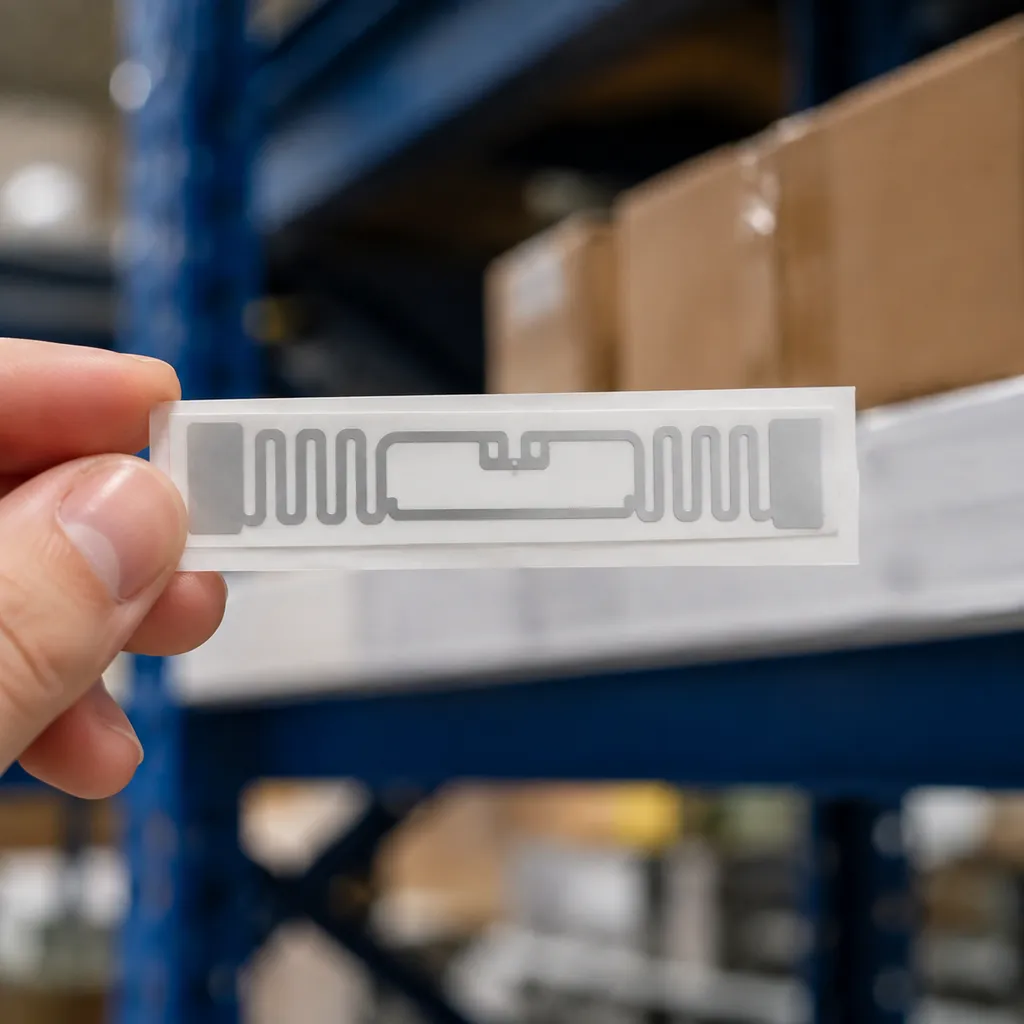
uhf rfid battery-assisted tag (BAP tag) RFID transponder builds pair an internal battery with backscatter communication on standard UHF readers—no onboard transmitter like fully active RFID.
Protocol: EPC Class 1 Gen 2 RAIN · semi-passive tags and semi-active tags wake on reader ping.
Power: uhf rfid tag battery (low-power battery) extends read range and battery life for asset tracking vs standard passive RFID.
UHF RFID Battery-Assisted Tag
Battery-Assisted Passive (BAP) Technology
UHF RFID battery-assisted tags—also called BAP tag, semi-passive tags, or semi-active tags—bridge standard passive RFID and high-cost active RFID. An internal battery powers the IC only; there is no powered transmitter—data returns via backscatter communication to standard UHF readers.
How BAP Boosts Read Range
By removing the chip-activation power burden from the reader's RF field, BAP tags dramatically improve performance without continuous broadcasting:
- Zero Harvest Lag: The integrated low-power battery keeps the microchip awake, eliminating the energy-harvesting delay required by traditional passive tags.
- Maximized RF Reflection: 100% of the incoming reader signal goes toward signal reflection, boosting the effective read range up to 30+ meters.
- On-Demand Response: The tag remains silent until queried by a reader signal, preserving battery life and preventing RF traffic noise in high-density environments.
Passive vs BAP RFID vs Active RFID
| Feature | Passive RFID | BAP RFID (Semi-Passive) | Active RFID |
|---|---|---|---|
| Power Source | Reader RF energy harvest | Internal battery (chip logic) | Internal battery (chip & transmitter) |
| Signal Method | Backscatter | Backscatter | Active transmission |
| Read Range | Up to 10 meters | Up to 30+ meters | 100+ meters |
| Battery Life | N/A (No battery) | 3 to 5+ years | 2 to 5 years |
| Protocol Standard | EPC Class 1 Gen 2 | EPC Class 1 Gen 2 | Proprietary / BLE / Wi-Fi |
| Tag Unit Cost | Very Low | Moderate | High |
Key Technical Features and Specifications
Extended Read Range
These UHF RFID battery-assisted tags deliver reliable performance where standard passive tags fail. By using an internal battery to energize the chip, BAP tags achieve an extended read range of over 100 feet (30 meters)—see passive UHF RFID tag range baseline for comparison through signal-blocking materials like liquids, metals, and packed inventory.
Sensor Integrations
Embedded environmental and temperature sensors in semi-passive tags. This enables autonomous logging for temperature tracking RFID applications, keeping critical cold chain data secure even when readers are out of range.
Core Technical Specifications
| Parameter | Performance Specification |
|---|---|
| Operating Frequency | 860–960 MHz (EPC Class 1 Gen 2 / ISO 18000-6C) |
| Read Range | 60 to 100+ ft (18–30+ m) depending on environment |
| Battery Lifespan | 3 to 5+ years (application dependent) |
| Power Consumption | Ultra-low standby draw with automatic reader-triggered wake-up |
| Environmental Tracking | Temperature logging, motion, and light detection options |
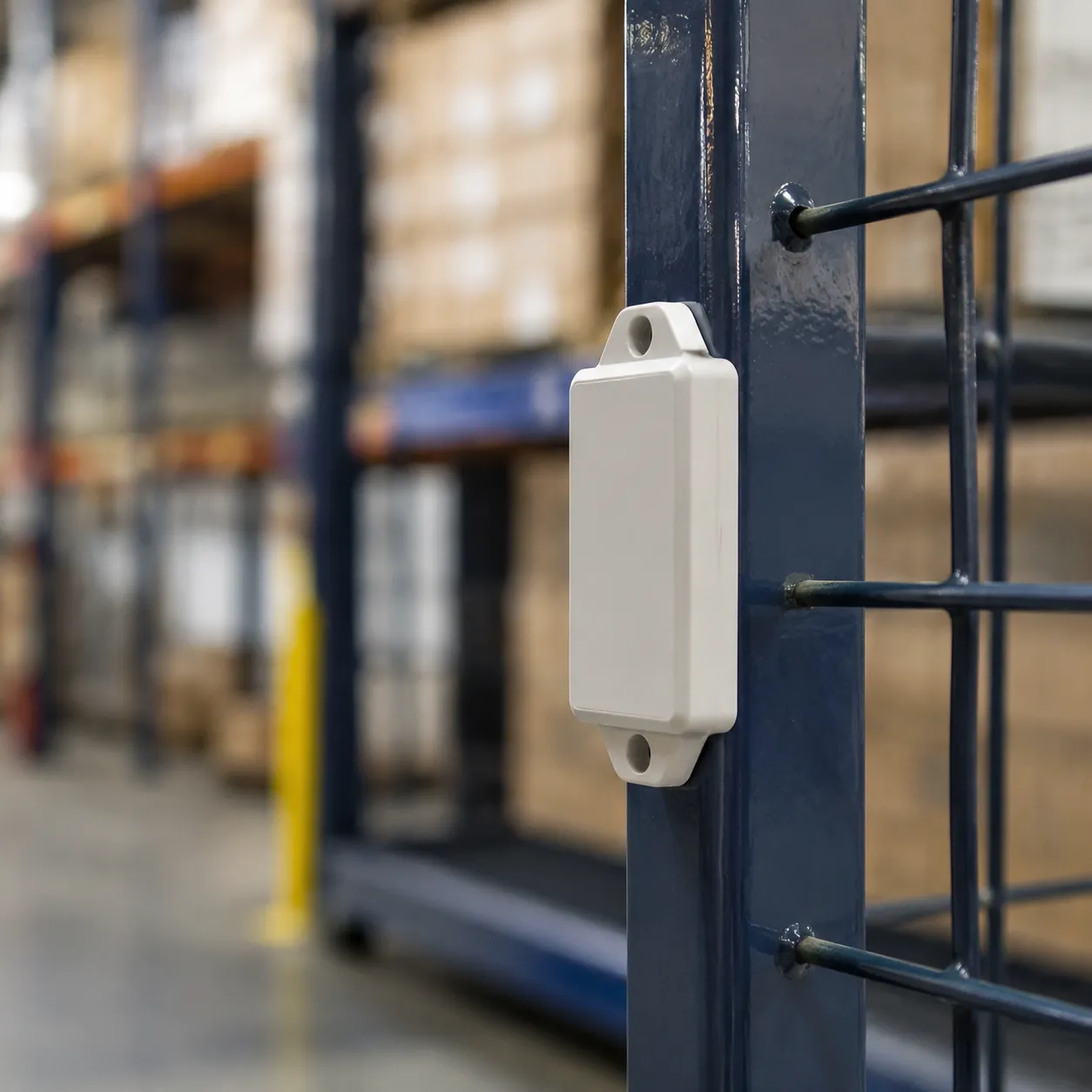
Power Management & Battery Lifespan
To maximize battery life, Semi-active tags remain in a deep sleep mode until prompted by standard UHF readers. The low-power battery only energizes the internal circuit for backscatter communication, drastically reducing energy draw during daily asset tracking cycles.
Benefits of UHF RFID Battery-Assisted Tags
The uhf rfid battery-assisted tag line bridges low-cost passive RFID and expensive active RFID using a low-power battery to energize the chip for dense asset tracking lanes.
| Performance Metric | Standard Passive Tags | Fully Active Tags | Our BAP RFID Tags |
|---|---|---|---|
| Metal & Liquid Performance | Signal detuning & dead zones | High reliability | Superior signal backscatter |
| Read Speed & Accuracy | Standard scanning | Continuous broadcasting | High-speed dense reads |
| Overall Cost | Lowest unit cost | Highest unit cost | Cost-effective bridge |
| On-Tag Data Storage | Basic EPC ID | Large log storage | Extended memory capacity |
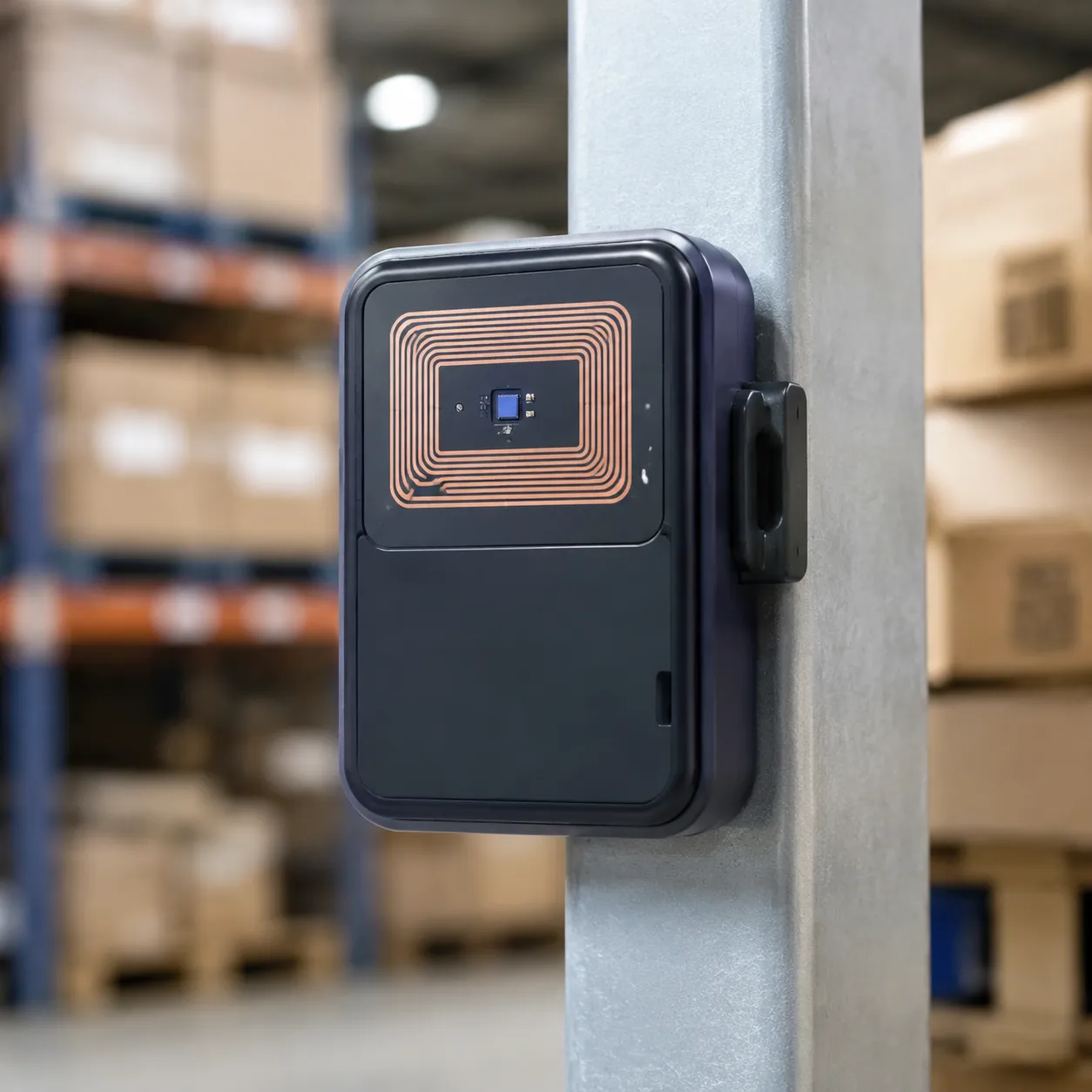
Superior Signal Near Metals and Liquids
Liquid absorption and metal reflection typically kill standard RF signals. Our BAP RFID tags use battery-boosted backscatter communication to punch through harsh interference.
Zero Signal Loss: Maintains strong return signals when mounted directly on liquid containers, metal drums, and machinery.
Lower Reader Power: Readers don't need to output maximum energy to energize the chip, reducing total system noise.
Cost-Effective Alternative to Active RFID
You get active-level read range and reliability at a fraction of the cost.
No Expensive Transmitters: Avoid the high price tag and bulk of fully active RFID hardware.
Long Shelf Life: The internal battery powers the circuit only when in range of UHF readers, preserving power for years of reliable operation.
High-Speed Readability and Data Logging
Busy supply chain hubs require rapid, error-free data capture.
Dense RF Handling: Scan hundreds of tagged items per second on fast-moving conveyor lines or through gate portals without missed reads.
Real-Time Data Storage: Leverage extended memory options to write sensor logs, calibration records, and chain-of-custody updates directly to the tag.
UHF RFID Battery-Assisted Tag Applications & Asset Tracking
uhf rfid battery-assisted tag solutions to solve real-world tracking challenges where standard passive tags fall short. By combining an internal battery with standard backscatter communication, our BAP tags deliver reliable, extended read ranges across harsh industrial environments and signal-blocking materials.
RFID Cold Chain Monitoring and Pharma Logistics
Maintaining precise environmental thresholds during transit is non-negotiable for pharmaceuticals, biologics, and frozen foods. Standard passive tags frequently fail to penetrate dense liquid packaging or refrigerated transport walls.
- Environmental sensor integration: Onboard sensors continuously record temperature stability throughout the shipping journey.
- Liquid-pack penetration: The internal battery boosts signal strength through liquid vials, saline bags, and dense gel packs.
- Automated compliance logging: Fast dock-door scans capture complete temperature histories instantly without opening thermal packaging.
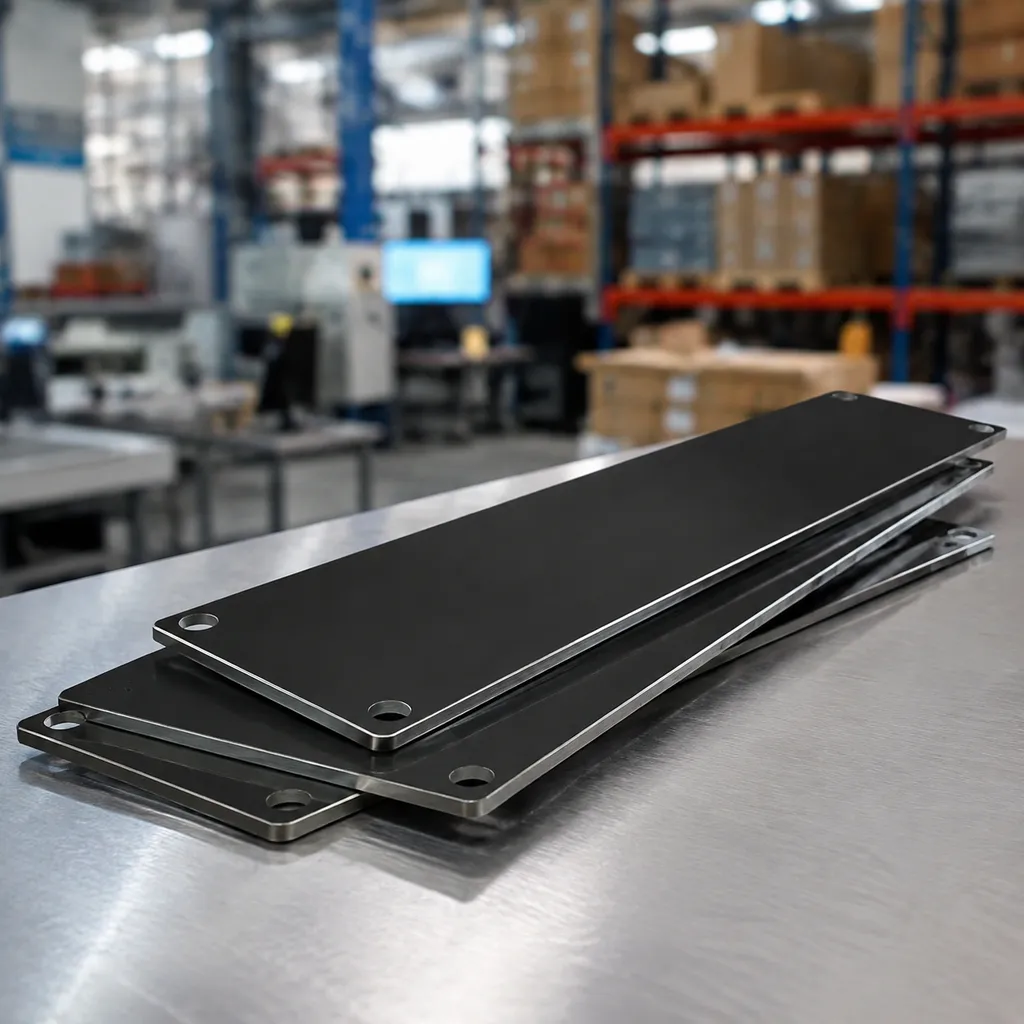
On-Metal RFID Tags for Heavy Industrial Assets
| Asset Type | Operational Challenge | How BAP Tag Technology Solves It |
|---|---|---|
| Industrial Machinery | Heavy metal framework blocks passive signals | Battery-boosted response signal punches through metallic RF reflection |
| Steel Containers | High stack density in storage yards | Long-distance reads from elevated, fixed UHF readers |
| Manufacturing Dies | High shock, heat, and vibration | Ruggedized encasement paired with reliable low-power battery support |
Bare metal surfaces detune standard RF signals, creating severe read errors. BAP RFID tags to overcome reflection and absorption on heavy machinery, structural steel, and metallic containers.
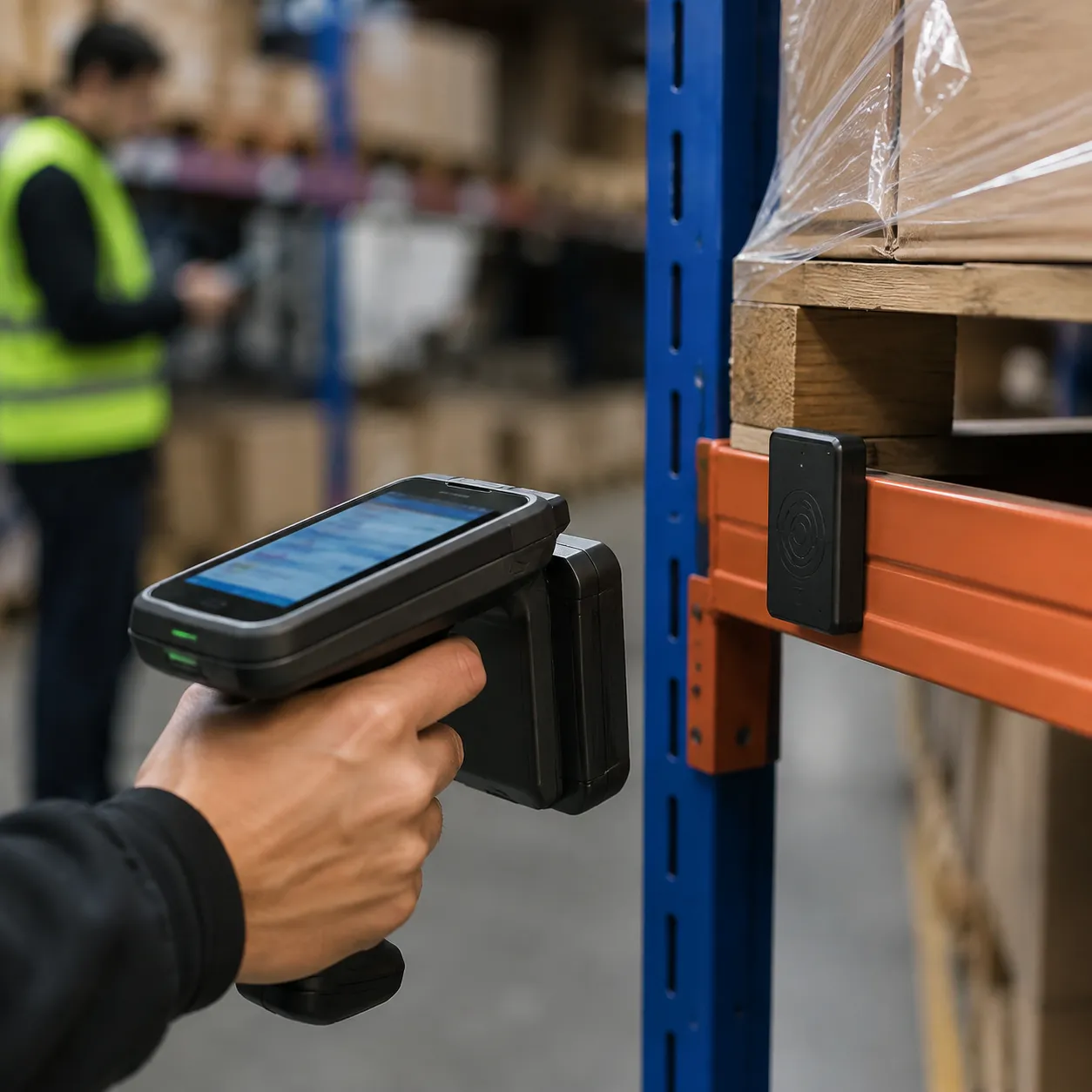
Supply Chain Visibility at Transit Hubs
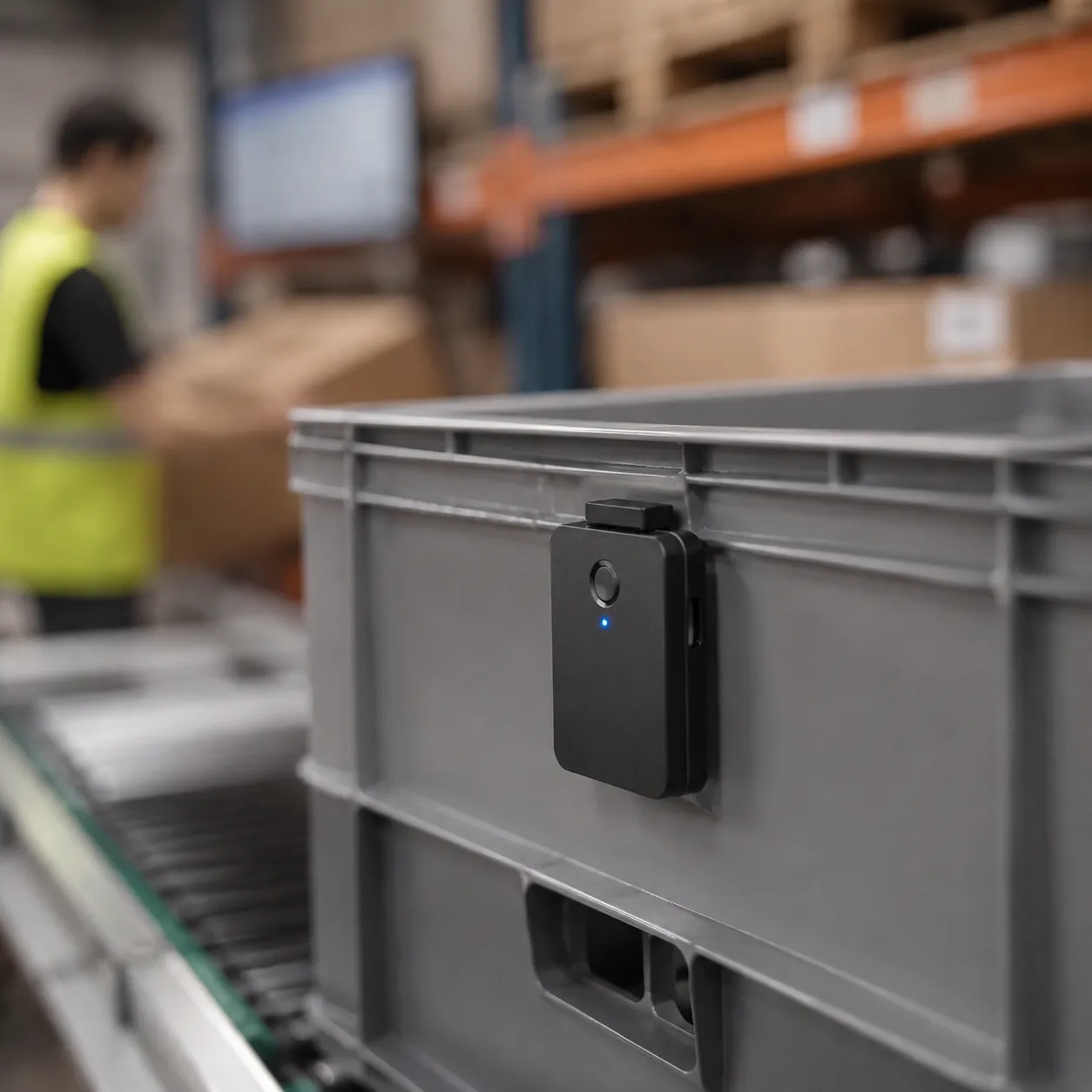
High-volume distribution centers and transit hubs require rapid asset identification on moving cargo. Our battery-assisted passive UHF tags ensure zero missed reads at busy choke points.
- Drive-by yard management: Identify trailers, containers, and yard chassis at gate speeds up to 15 mph without stopping drivers.
- Wide portal coverage: Read tags consistently across multi-lane dock doors and wide gate openings up to 60 feet.
- Streamlined inventory audits: Scan entire pallet stacks inside covered trucks without manual line-of-sight checks.
Asset Tracking in Complex RF Environments
Data centers, clinical facilities, and manufacturing plants present dense, cluttered environments filled with signal interference, metal racks, and structural obstruction.
- High-value IT equipment: Track blade servers, network switches, and rack enclosures in crowded server rooms.
- Medical equipment monitoring: Locate mobile diagnostic units, pumps, and specialized surgical gear across multi-floor facilities.
- Wide-area construction tracking: Monitor heavy power tools and specialized gear across open, harsh job sites in any weather.
How to Select a UHF RFID Battery-Assisted Tag
Choosing the ideal uhf rfid battery-assisted tag means matching battery life, IP rating, mounting surface, and EPC Class 1 Gen 2 reader middleware to your lane.
Battery Life vs Read Cycle Frequency
The lifespan of a low-power battery inside a semi-passive tag depends heavily on how often it receives reader pings.
- Sleep Mode Efficiency: BAP tags draw zero battery power when idling, activating the internal battery only when entering an active reader RF field.
- Ping Frequency: High-traffic choke points draw more power than infrequent inventory checks.
- Target Lifespan: Choose tags offering 3 to 5+ years of operational life based on your estimated daily read cycles.
Environmental Durability and IP Ratings
| Durability Requirement | Recommended Spec | Ideal Application |
|---|---|---|
| Dust & Water Jets | IP67 Rating | Yard management & logistics transit |
| Submersion & Extreme Temps | IP68 Rating | Industrial manufacturing & chemical exposure |
| UV & Impact Resistance | Encapsulated ABS or Epoxy | Heavy machinery & long-term outdoor tracking |
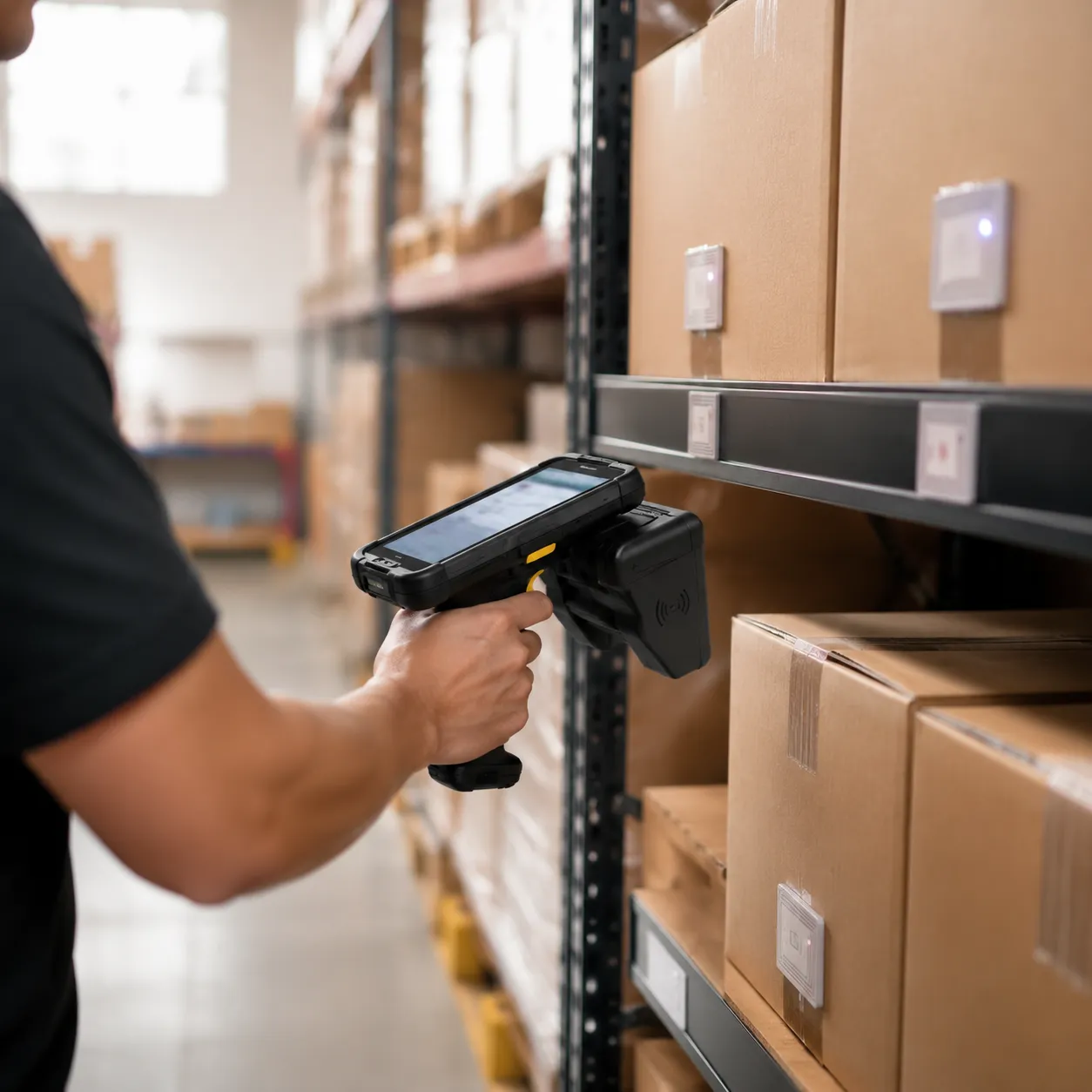
Outdoor assets and industrial equipment demand ruggedized housings to protect internal electronics from harsh conditions.
Mounting Methods: On-Metal vs Non-Metallic Surfaces
Attaching tags to metallic structures requires specialized engineering to prevent RF signal cancellation.
- On-Metal Mounting: Use dedicated on-metal RFID tags featuring built-in anti-metal isolation layers, rivet holes, or industrial-grade adhesive backings.
- Non-Metallic Surfaces: Standard adhesive backings or cable-tie mounts work best for plastic totes, wooden pallets, and composite containers.
UHF Reader Compatibility
To keep implementation costs low, ensure your Battery-Assisted Passive UHF transponders align with your existing scanner infrastructure.
- EPC Class 1 Gen 2 Compliance: BAP tags to conform fully with EPC Gen 2 BAP protocols (ISO 18000-6C).
- Seamless Integration: This standard protocol ensures direct interoperability with standard fixed and handheld UHF readers without requiring costly hardware overhauls.
Share surface material, read-cycle frequency, IP rating, and existing UHF readers for configured uhf rfid battery-assisted tag samples—Contact JN RFID with tag placement photos, Gen2 middleware notes, and target read range validation distance.
UHF RFID Battery-Assisted Tag FAQs
How long does the battery last in a BAP tag?
UHF RFID battery-assisted tags typically offer a battery life of 3 to 10 years, depending on read frequency and environmental conditions. Because the onboard low-power battery only energizes the internal chip micro-circuits—rather than continuously broadcasting a signal—power drain is minimal during standby.
Can a BAP tag function if the battery dies?
Yes. If the internal battery depletes, the BAP tag automatically falls back to operating as a standard passive RFID tag. You won't lose your data, and UHF readers can still scan the tag, though the read range will drop back to standard passive performance levels.
Are BAP UHF tags compatible with standard UHF readers?
Yes, 100%. semi-passive RFID tags strictly around the EPC Class 1 Gen 2 (RAIN RFID) standard. They communicate seamlessly with the standard passive UHF fixed readers and handheld scanners you already use, eliminating the need for costly hardware upgrades.
What makes BAP tags better than passive tags for liquid containers?
Liquids absorb RF energy, which severely degrades the signal of standard passive tags. A battery-assisted passive tag overcomes this attenuation by using its integrated battery to power the chip instantly, ensuring a strong backscatter communication signal that cuts through liquid interference for maximum read reliability. Send deployment specs to Contact JN RFID for BAP sample routing and reader compatibility review.