Overview
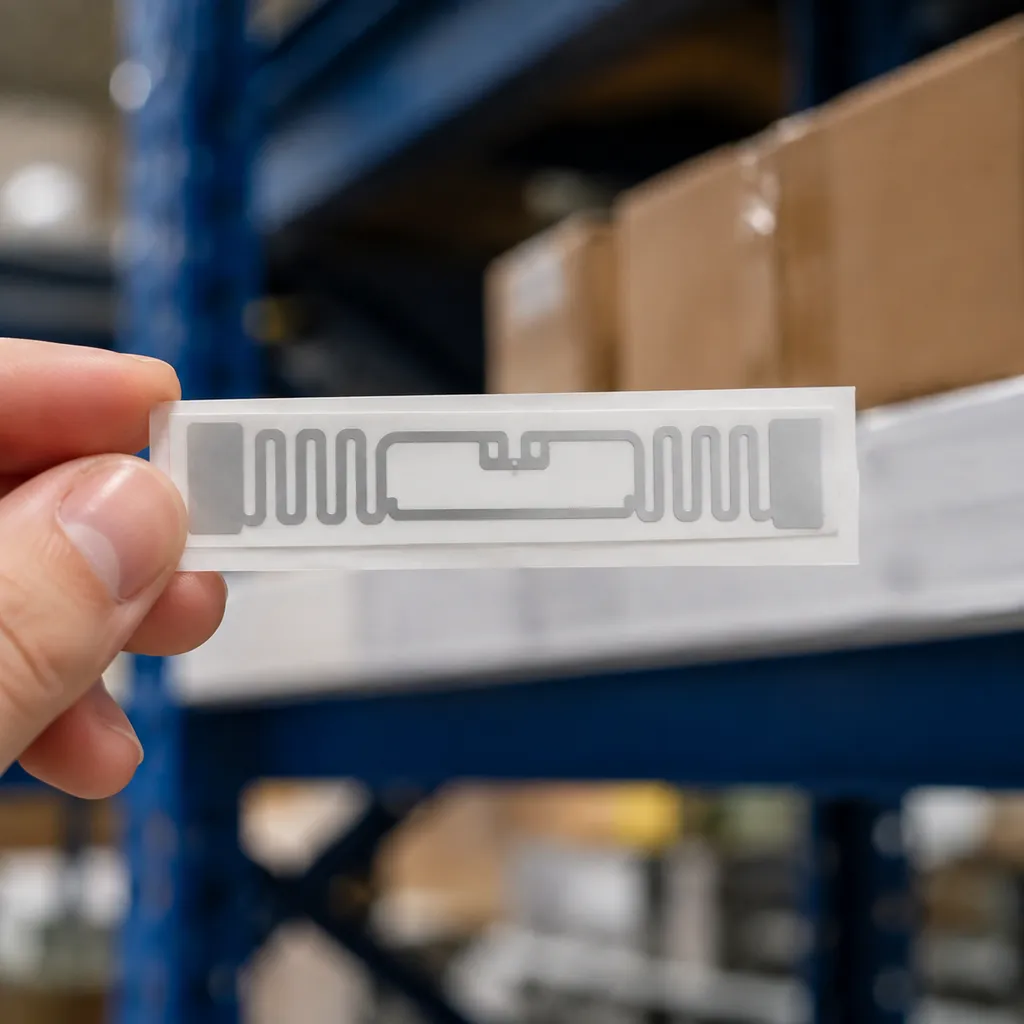
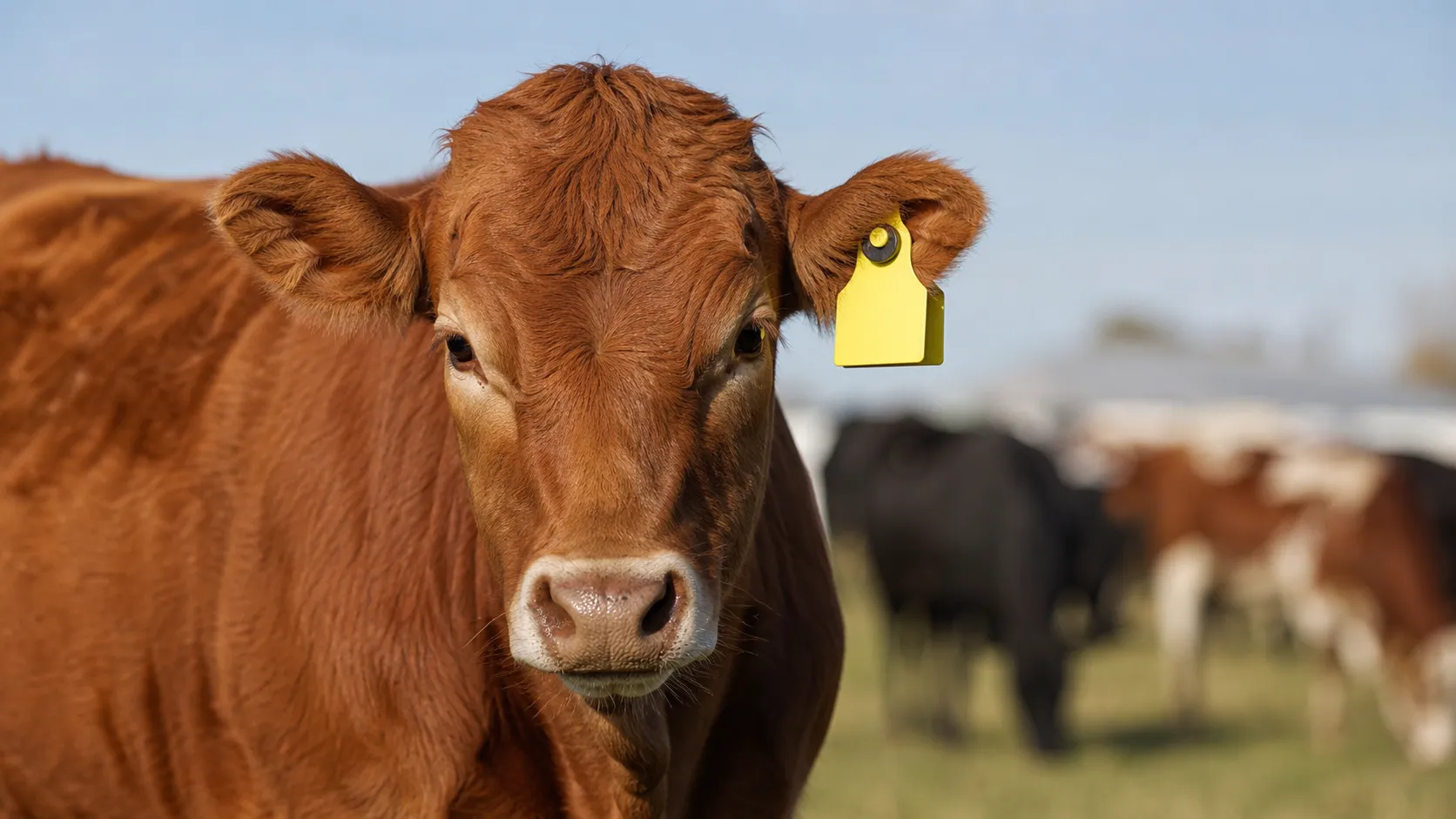
Long range uhf rfid ear tag assemblies pair passive Gen2 860-960 MHz silicon with rugged housings for hands-free livestock tracking at gates, scales, and loading docks.
- Herd profile: Cattle feedlots, sheep flocks, and goat tagging projects that outgrow wand-only LF scans.
- Read zone: Wide race alleys, sort lanes, and trailer loads needing extended read range without single-file bottlenecks.
- Data goal: Electronic ear tags with EPC encoding for cattle management, health logs, and traceability.
Passive Gen2 Chip & Memory Options
These long range uhf rfid tag builds use genuine integrated circuits (ICs) to ensure stable field performance in demanding ranch environments. These passive Gen2 chips deliver the reliable reading distance and rapid data capture required for modern livestock tracking.
Genuine UHF RFID ICs for Stable Field Performance
We partner with top-tier component manufacturers to supply authentic chips that maintain consistent sensitivity, even when animals are moving rapidly through sorting gates. Our electronic livestock ear tags use standard-compliant silicon to eliminate blind spots and misreads. For protocol-level context, see Gen 2 UHF RFID tags and EPC Gen 2 passive UHF RFID tag reference builds.
EPC Encoding and Data Management
Effective cattle management relies on precise data structure. Our chips support flexible memory allocation for electronic ear tags, allowing you to manage unique animal identification numbers seamlessly alongside your existing herd management software.
| Feature | Specification / Capability | Benefit for Livestock Tracking |
|---|---|---|
| Protocol Standard | EPC Class 1 Gen 2 / ISO 18000-6C | Global compatibility with standard UHF readers |
| Frequency Range | 860–960 MHz (FCC / global bands) | Optimized for long range animal RFID tag systems |
| EPC Memory | Up to 96-bit or 128-bit | Holds unique livestock tracking codes |
| User Memory | Optional extended user memory banks | Stores specific local data like vaccination or farm IDs |
| Data Retention | Minimum 10-20 years | Lasts the entire lifespan of the animal |
Technical Specifications for Long Range UHF RFID Ear Tags
Industrial long range UHF RFID ear tags for rugged livestock environments:
Technical Configuration Matrix
| Feature | Specification |
|---|---|
| Frequency Range | 860-960 MHz (Global, 902–928 MHz (Americas), EU 865-868 MHz) |
| Air Interface Protocol | ISO 18000-6C / EPC Class 1 Gen 2 |
| Reading Distance | Up to 8–10 meters (26–32 ft) depending on reader power and setup |
| Chip Options | Impinj Monza R6/R6-P, NXP UCODE 8/9, Alien H3/H4 |
| Housing Material | High-grade TPU (Thermoplastic Polyurethane), UV & anti-microbial resistant |
| Operating Temperature | -40°F to 185°F (-40°C to 85°C) |
| Retention & Durability | IP68 waterproof, high-pull structure, tamper-proof design |

Visual Identification and Custom Encoding
A reliable UHF cattle ear tag needs to communicate with both your electronic readers and your field crew. We customize both the physical face and the internal chip memory:
- Laser Marking: High-contrast, permanent printing of visual IDs, farm logos, state registration numbers, and 2D/barcodes.
- Custom Data Encoding: We pre-encode EPC memory, match visual numbers to electronic chips, and write custom data tables before shipping.
- Color-Coded Management: Vibrant, non-fading TPU colors for rapid visual sorting across herds.
Quality Control and Factory-Direct Supply
Performance Benefits — Extended Read Range & Bulk Scanning
Compact long range uhf rfid tag builds target high-throughput chutes and open sorting lanes:
High-Performance Features at a Glance
| Feature | Advantage | Operational Impact |
|---|---|---|
| Extended Read Range | Scans up to 15–30 feet away | Remote tracking without crowding animals into tight chutes. |
| Anti-Collision Protocol | Reads multiple tags simultaneously | Bulk data capture at gates, scales, and transport lanes. |
| Premium TPU Material | High flexibility and UV resistance | Extreme durability for outdoor and harsh farm environments. |
| Complete Traceability | Secure EPC Gen2 data tracking | Seamless data sharing from birth, through veterinary care, to processing. |
| Full Customization | Laser printing and custom encoding | Tailored matches for your existing readers and management software. |
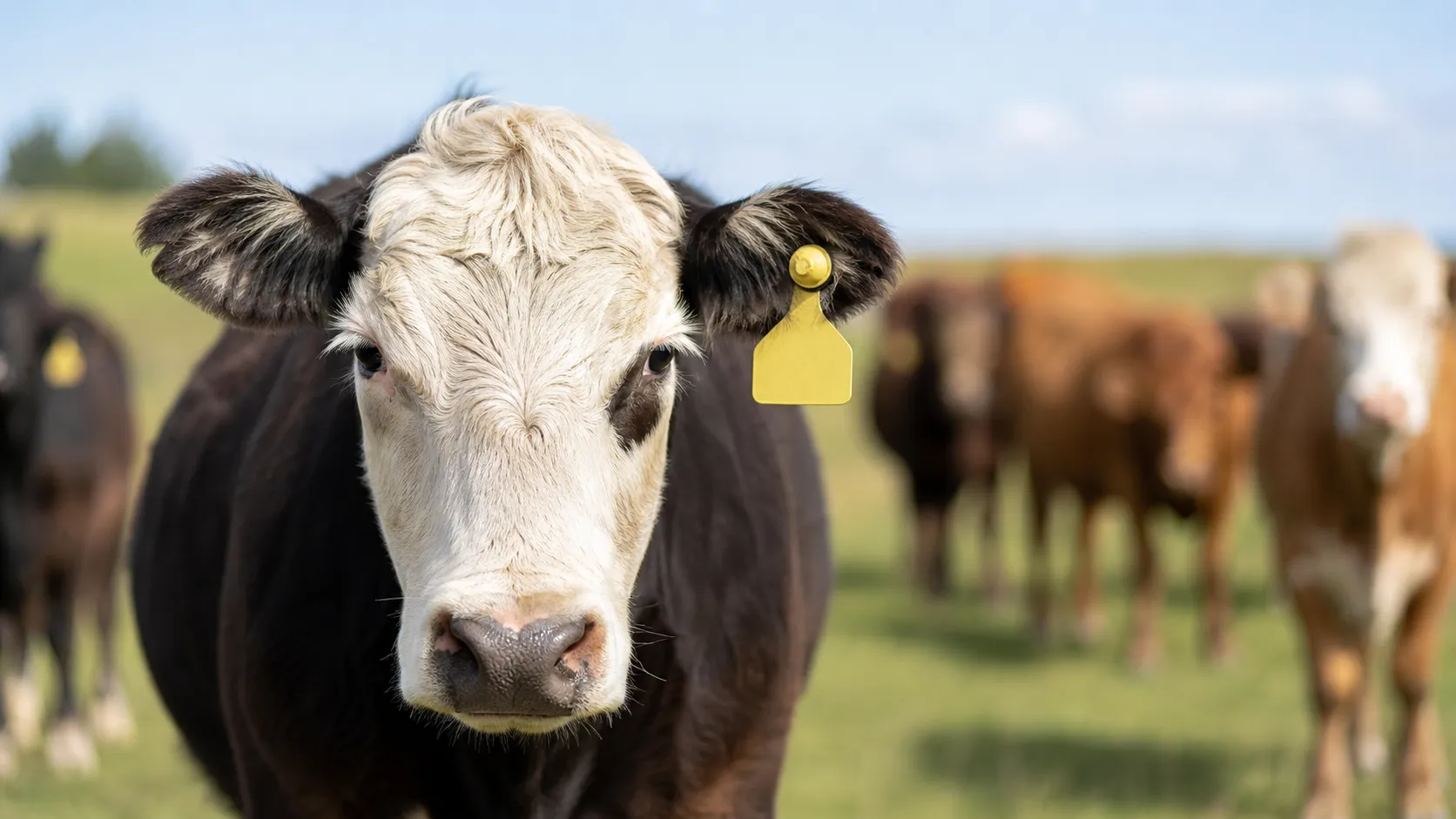
Extended Read Range for Remote Tracking
Traditional livestock tracking requires animals to line up single-file. Our long range animal RFID tag systems utilize advanced passive UHF technology, allowing readers to capture tag data from a distance. Whether cattle are moving through wide sorting lanes or gathering at feeding zones, you get accurate counts without stressing the herd.
Fast Multi-Tag Reading
Time is money during sorting and loading. With our UHF livestock RFID ear tag, your receivers can scan dozens of animals at the exact same time. The anti-collision chip technology ensures zero missed tags, even when livestock move quickly through high-density transport points and chute gates.
Durable for Outdoor and Agricultural Environments
Farm life is brutal on hardware. We manufacture our electronic livestock ear tags using high-grade, medical-grade polyurethane (TPU).
- Weatherproof: Resists mud, moisture, and manure exposure.
- UV-Protected: TPU material resists cracking under intense sun.
- Snag-Resistant Design: Retention geometry lowers loss in brush and pens.
Traceability from Farm to Processing
Regulatory compliance and consumer demands require bulletproof record-keeping. Our ISO 18000-6C animal tag models provide a permanent digital identity. You can track vaccination schedules, weight gains, and movement history, ensuring seamless documentation from the ranch all the way to the packing plant.
Customizable for Your RFID System
We adapt our manufacturing to match your current infrastructure. We offer flexible options to fit your specific workflow:
Custom laser-etched visual IDs, farm logos, and barcodes.
Pre-encoded EPC data matching your herd management software database.
Optimized frequency ranges (860–960 MHz) to guarantee peak performance with your specific handheld or panel antenna setup.
Long-Range UHF RFID Ear Tags — Automated Livestock Identification
Manual visual IDs and wand-only LF tags slow chute throughput and increase handling stress. Long range uhf rfid ear tag builds automate animal identification with remote tracking at gates and scales.
Automating Livestock Identification with UHF RFID
Ultra-High Frequency (UHF) RFID technology turns manual headcounts into automated background processes. Instead of stopping every animal to read a tag, our passive UHF ear tags transmit crucial data wirelessly the moment an animal enters a scanning zone.
This non-contact, hands-free data capture keeps your livestock moving smoothly through high-traffic bottlenecks, including:
- Chutes & Raceways: Automatically log individual IDs as animals run single-file.
- Sorting Lanes & Auto-Gates: Trigger automated drafting gates instantly based on real-time RFID reads.
- Feeding Zones & Livestock Scales: Track individual feed consumption and connect weight metrics directly to the animal's record.
- Transport & Receiving Points: Instantly verify entire trailer loads during loading and unloading without manual line-ups.
UHF RFID vs. Manual Visual Identification Speed
| Method | Read Distance | Processing Speed | Accuracy | Worker Safety |
|---|---|---|---|---|
| Manual Visual Tags | Direct line of sight (1–3 ft) | Slow (1 animal at a time) | High risk of human error | Low (close contact required) |
| Long Range UHF RFID Ear Tags | Up to several meters | Fast (bulk/multi-tag reading) | 99%+ automated precision | High (remote scanning) |
By replacing slow manual tallies with long-range scanning, operations cut handling times by up to 80% while virtually eliminating data entry errors.
Real-World Read Range Factors
While long range UHF RFID ear tags are built for maximum reach, real-world outdoor performance depends on several environmental and hardware factors:
- Reader Power & Antenna Polarization: High-gain portal readers maximize range, while circular polarization ensures tags are read regardless of angle.
- Tag Orientation: The angle of the ear tag relative to the antenna panel affects signal strength.
- Animal Density & Herd Movement: Dense groups of animals can block RF signals; strategically placed overhead or side panel antennas maintain high capture rates.
- Moisture & Body Mass: Water and tissue absorb UHF signals. Our specialized ear tags feature tuned antenna designs to counteract environmental moisture and biological interference.
Livestock Applications — Cattle, Sheep, Goats & Transport
From large-scale ranches to processing facilities, our long range uhf rfid ear tags streamline daily livestock operations. We design these tags to automate data collection, saving you time and reducing labor costs across multiple applications.
Cattle Identification and Herd Management
Managing a large herd requires precision. Our cattle RFID ear tag solutions allow for hands-free inventory tracking and automated sorting. You can track weight gains, breeding cycles, and health history instantly as animals pass through chues or gates, making cattle management highly efficient.
Sheep and Goat Tracking
Small ruminants move quickly and flock tightly. Our lightweight sheep RFID identification tag and UHF goat ear tag options ensure accurate remote tracking without slowing down the animals. The extended read range allows you to count entire flocks simultaneously during field transfers or sorting.
Swine and Poultry Management Projects
High-density environments demand durable, high-throughput tracking. Our electronic livestock ear tag systems handle the fast-paced nature of swine and poultry operations. They withstand harsh confinement conditions while delivering reliable multiple tags reading capabilities for accurate group inventory.
Livestock Transportation and Receiving
Loading and unloading animals is a major bottleneck. With passive UHF ear tag technology, you can scan entire truckloads of livestock at once during transit checkpoints and receiving docks. This drastically speeds up livestock tracking and reduces animal stress by eliminating the need for single-file squeezing.
Slaughterhouse and Food Traceability Systems
Our ISO 18000-6C animal tag options provide seamless integration into food safety workflows. We help you maintain an unbroken chain of custody from the pasture to the processing plant. Accurate data capture ensures compliance with federal traceability regulations and boosts consumer confidence.
Veterinary, Vaccination, and Disease-Control Programs
Accurate health records protect your bottom line. Use our UHF livestock RFID ear tag to log vaccinations, veterinary treatments, and quarantine statuses instantly. In the event of a disease outbreak, the RFID herd management tag system allows for immediate tracing to isolate affected animals and safeguard the rest of your livestock.
UHF vs LF RFID Ear Tags — When to Choose Long Range
Choosing between UHF RFID ear tags and traditional Low Frequency (LF) tags comes down to your operational speed, reading distance requirements, and herd size. While LF RFID (134.2 kHz) has been the standard for single-animal contact scanning, ultra-high frequency (860–960 MHz) technology enables true hands-free, high-throughput livestock tracking.
Feature Breakdown: UHF vs. LF RFID
| Feature | Long Range UHF RFID Ear Tag | Traditional LF RFID Ear Tag |
|---|---|---|
| Operating Frequency | 860–960 MHz (RAIN RFID / EPC Gen2) | 134.2 kHz (ISO 11784/11785) |
| Reading Distance | Up to 3–8 meters (10–26 feet) | Up to 10–50 cm (4–20 inches) |
| Throughput (Bulk Reading) | Multi-tag reading (Hundreds of tags per second) | Single tag reading only |
| Scanning Speed | Dynamic scanning at high speed (chutes, scales, trucks) | Stationary or close-contact wand scanning |
| Primary Use Cases | Automated sorting, feedlot tracking, ranch management | Official state traceability, individual squeeze chute ID |
Decision Guide: When to Choose UHF vs. LF
- Choose a Long Range UHF RFID Ear Tag if:
- You need hands-free identification across wide race alleys, sorting lanes, or scale platforms.
- You manage large herds and require rapid, bulk multi-tag reading on moving animals without manual labor.
You want to integrate real-time tracking with automated gate-sorting systems and overhead portal antennas.
Choose an LF RFID Ear Tag if:
- Your operations rely strictly on legacy 134.2 kHz wand readers and manual chute-side scanning.
- You only need single-animal identification during veterinary treatments or milk recording stations.
JN RFID Compatibility Assessments
At JN RFID, we ensure seamless integration regardless of your existing setup. We evaluate your current hardware infrastructure—including fixed readers, panel antennas, and handheld scanners—to guarantee smooth migration to high-performance long range UHF RFID ear tags. Our technical team conducts pre-deployment signal testing and tuning to maximize read rates and eliminate interference around metal chutes and dense livestock corrals.
Reader & Antenna Compatibility for 860–960 MHz Systems
Integrating our long range UHF RFID ear tag into your existing livestock management setup is seamless. Whether you are running a high-volume chute or managing open-pasture sorting, our tags work seamlessly with standard 860–960 MHz hardware.
Supported Hardware Options
We engineer our tags to deliver consistent data capture across a wide range of industry-standard equipment:
- Fixed Readers & Gate Portals: Ideal for automated raceways, sorting lanes, and scale platforms where high-speed, hands-free scanning is required.
- Handheld Mobile Scanners: Perfect for field chutes, veterinary checkups, and chute-side data entry where mobility is key.
- Panel Antennas: High-gain directional antennas mounted at gates or chutes ensure reliable long-range reading as animals pass through.
Key Deployment Factors for Peak Performance
To maximize reading distance and ensure 100% scan accuracy in tough farm environments, consider these critical setup factors:
| Factor | Best Practice | Impact on Scanning |
|---|---|---|
| Antenna Polarization | Match circular polarization antennas with tag orientation | Prevents missed reads when animals move unpredictably |
| Gate Width | Keep chute and gate passages within recommended reader ranges | Ensures consistent RF signal coverage for high-density herds |
| Metal Interference | Position antennas away from heavy steel gates or use RF shielding | Reduces signal reflection and maintains reliable extended read range |
By optimizing antenna placement and choosing the right reader hardware, our cattle RFID ear tag solution delivers fast, accurate tracking every single time. Portal layout guidance is covered in installing UHF RFID tags.
Custom Ear Tag Options — TPU, Printing & Encoding
Custom long range UHF RFID ear tags match herd workflow, marking, and encoding needs:
Customization Options Overview
| Customization Feature | Available Options | Best For |
|---|---|---|
| Ear Tag Shape & Size | Round, Flag, Two-piece, One-piece mini | Cattle, calves, sheep, goats, swine |
| Material & Colors | Premium TPU; Yellow, Orange, Green, White, Blue | Visual identification, sorting, long-term wear |
| Printing & Marking | High-contrast laser marking, custom logos, numbering, 2D matrix/Barcodes | Quick visual checks, hybrid tracking |
| RFID Data Encoding | Custom EPC, TID lock, password protection, sequential encoding | Seamless integration with ranch management software |
| OEM / ODM Services | Private labeling, custom mold development, specialized chips | System integrators, distributors, high-volume projects |
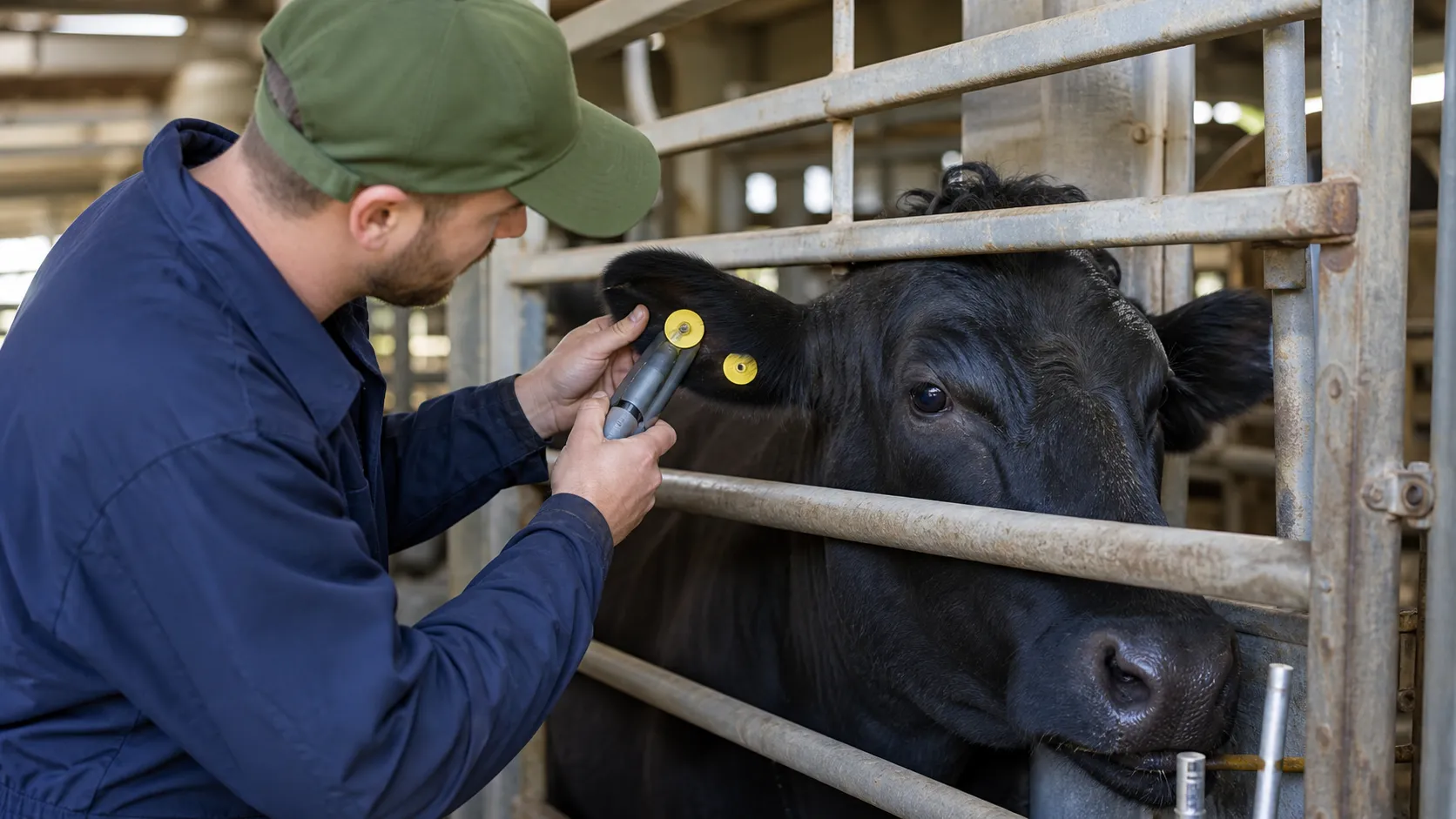
Tailored Features for Your Operation
- Ear Tag Shape and Size: Choose compact designs for small animals like sheep and goats to prevent snagging, or larger flag-style tags for cattle to ensure high visual visibility from a distance.
- Material and Color Customization: We use flexible, non-toxic TPU material that withstands UV exposure, mud, extreme cold, and heat without cracking. Bright color choices help ranch hands quickly sort livestock.
- Laser Printing and Marking: Permanent laser engraving creates dark, crisp numbers, custom logos, and barcodes that remain readable for years—even when covered in dirt.
- RFID Data Encoding: We pre-encode your long range animal RFID tags with sequential EPC numbers, matched database entries, or custom security keys before shipping so they arrive ready for immediate deployment.
- OEM and ODM Development: Need a custom mold or specialized housing for unique automated sorting lanes? Our engineering team designs and manufactures custom RFID ear tags to match your exact hardware specifications.
Manufacturing QA & Electronic Verification
Factory-Direct RFID Manufacturing
Factory QA covers every batch before export:
100% Electronic Verification
Field failures cost time and labor. To eliminate dead tags before they ever reach your facility, every single uhf livestock rfid ear tag undergoes rigorous automated electronic testing.
- 100% Read-Rate Guarantee: Every tag is scanned on the line to confirm chip responsiveness.
- Data Integrity Check: We verify that memory banks are flawless and ready for custom EPC encoding.
- Signal Consistency: Strict power thresholds ensure uniform reading distance across all units.
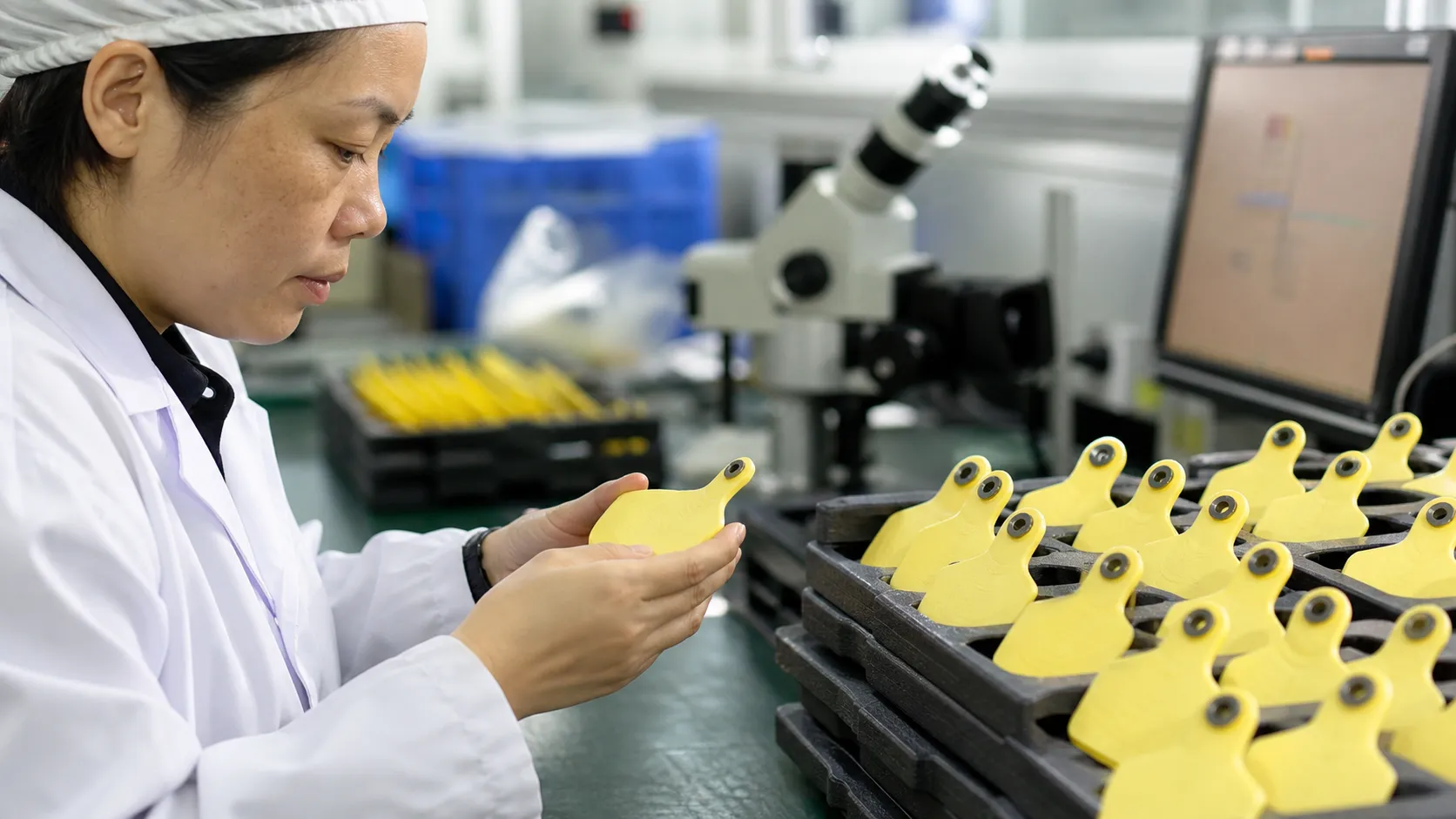
Genuine Chip Supply
Unbranded or counterfeit silicon leads to dropped signals and poor retention. We build our passive UHF ear tag products using only genuine, industry-standard ICs (fully compliant with ISO 18000-6C and EPC Gen2 protocols). This guarantees stable field performance, fast multi-tag data capture, and seamless compatibility with standard fixed or handheld UHF readers.
Production Capacity and Quality Standards
Our advanced manufacturing facility is equipped to handle large-scale commercial demands without sacrificing durability.
- Premium TPU Material: Engineered to withstand extreme outdoor weather, from sub-zero winters to intense summer heat.
- Scalable Output: High-volume automated assembly lines allow us to fulfill bulk orders quickly and reliably.
- Industrial ISO Standards: Production complies with strict quality control frameworks, ensuring long-term retention and continuous remote tracking capabilities.
How to Select the Right Long Range UHF RFID Ear Tag
Choosing the right long range UHF RFID ear tag comes down to your specific livestock management goals, environmental challenges, and operational setup. Selecting the proper tag ensures accurate data capture, maximum read range, and reliable long-term performance across your herd.
Match Tags to Animal Type and Reading Scenario
Different animals require distinct tag sizes, retention designs, and weight limits to ensure safety and comfort.
- Cattle and Large Livestock: Require larger, heavy-duty UHF cattle ear tags that offer extended read ranges for fast-moving chute and scale environments.
- Sheep and Goats: Need smaller, lightweight UHF goat ear tags and sheep RFID identification tags designed to prevent ear tearing while maintaining reliable signal strength in high-density pens.
- Reading Environment: Match tag performance to your specific scan zones, whether you need long-distance tracking at wide raceway portals, automated sorting lanes, or quick scans during chute operations.
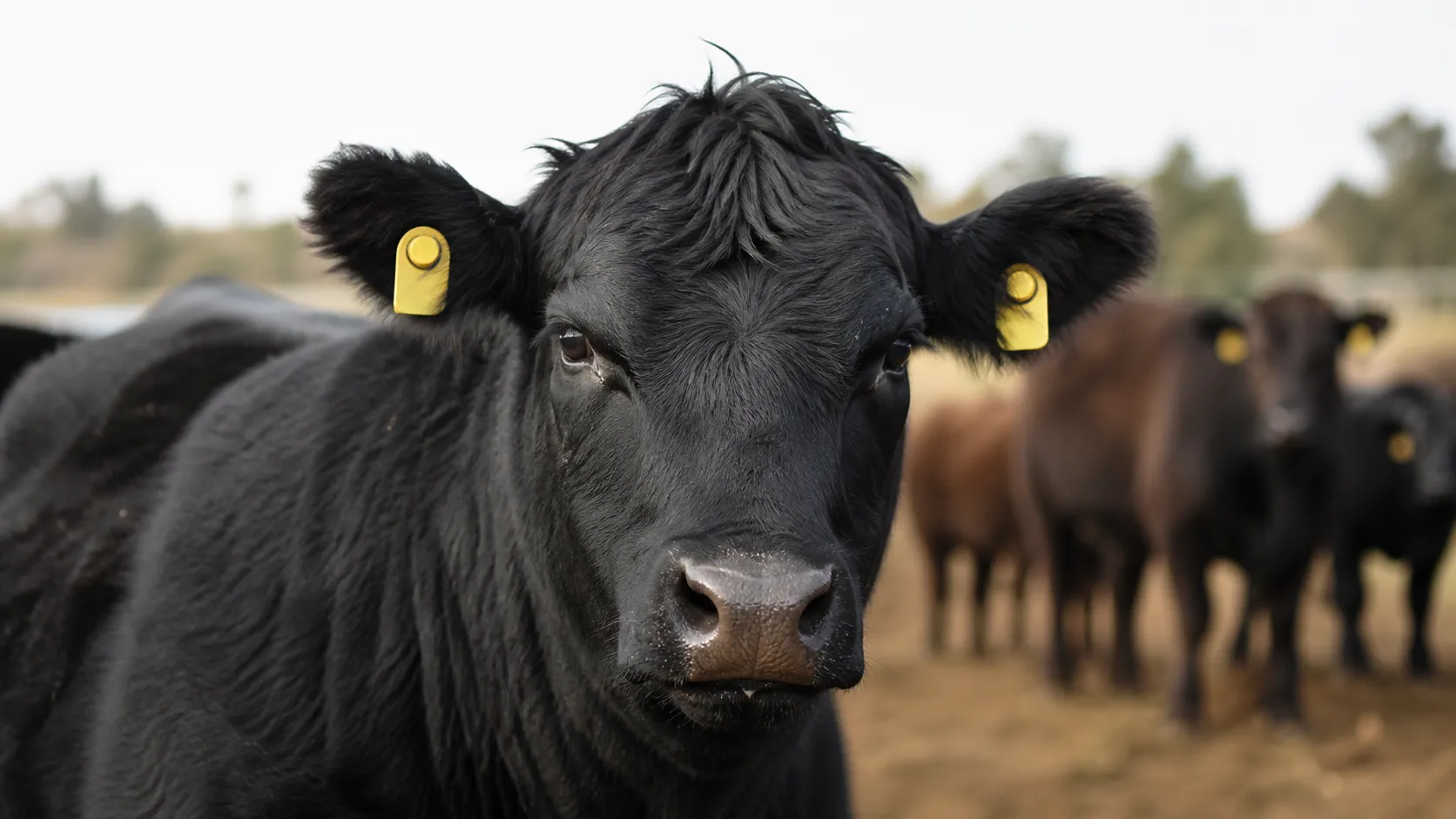
Determine Read Zones and Regional Frequencies
UHF RFID operates across specific frequency bands depending on your global region. Aligning your tags with regional standards prevents signal dropouts and compliance issues.
| Region / Standard | Frequency Range | Common Application |
|---|---|---|
| FCC / Americas band | 902–928 MHz | Cattle ranches and feedlots, feedlots, and sorting facilities |
| EU / ETSI Standard | 865–868 MHz | European livestock tracking and farm-to-plate traceability |
| Global Standard | 860–960 MHz (ISO 18000-6C / EPC Gen2) | International shipping, cross-border transit, and slaughterhouse intake |
Balance Hardware, Encoding Formats, and Durability
To build a seamless RFID animal identification system, your ear tags must integrate perfectly with your existing hardware and environmental demands.
- Durability and Materials: We craft our ear tags using flexible, high-grade TPU material that withstands extreme weather, UV exposure, moisture, and rough farm conditions.
- Reader Compatibility: Ensure your tags use standard ISO 18000-6C / EPC Gen2 livestock tag protocols so they seamlessly communicate with fixed panel antennas, gate portals, and handheld RFID readers.
- Custom Encoding Needs: Match tag memory to your data strategy. We provide custom EPC encoding, visual laser printing (IDs, barcodes, QR codes), and pre-programmed sequences tailored to your herd management software.
Ordering Process for Long Range UHF RFID Ear Tags
Getting custom long range UHF RFID ear tags for your ranch or facility should be straightforward. We have streamlined our supply workflow to take you from initial specs to full deployment without friction or hidden surprises.
Simple 6-Step Purchase Process
| Step | Phase | Key Action Items |
|---|---|---|
| 1 | Submit Requirements | Share your target animal species, tag read distance goals, frequency preference, and visual marking needs. |
| 2 | Technical Evaluation | Our engineers review your layout to match optimal UHF cattle ear tag chips, antenna designs, and TPU material options. |
| 3 | Sample & Compatibility Testing | We ship test samples so you can verify read performance with your existing handhelds or chute readers. |
| 4 | Artwork & Data Approval | Confirm custom visual printing (laser numbers, barcodes, logos) and pre-encoding EPC memory files. |
| 5 | Mass Production & QC | We run automated production with 100% electronic verification to guarantee zero chip failures. |
| 6 | Global Delivery & Support | Fast door-to-door shipping to major regions with ongoing technical back-up for system integration. |
Step 1: Submit Requirements
Tell us what you need. Reach out with your herd size, animal types (cattle, sheep, swine), required reading distance, and hardware setup. Whether you need blank passive UHF ear tags or pre-printed custom RFID ear tags, we gather all specifications upfront.
Step 2: Technical Evaluation
We assess your environmental factors like chute layouts, metal interference, and reader power settings. Our team recommends the exact ISO 18000-6C animal tag configuration and memory size that best fits your farm management software.
Step 3: Sample & Compatibility Testing
Field samples validate read performance on your chutes, scales, or sorting gates before mass production.
Step 4: Artwork & Data Approval
You approve the final proof. We verify laser etching artwork—including visual ID numbers, custom ranch logos, or 2D barcodes—along with your specific EPC data encoding maps.
Step 5: Mass Production & QC
We manufacture your order in-house under strict quality controls. Every RFID animal identification tag goes through electronic field testing to confirm frequency stability across 860-960 MHz and total data integrity.
Step 6: Global Delivery & Support
Your order is packed, labeled, and shipped directly to your operation. Our team stays available after delivery to help troubleshoot reader setups and ensure smooth livestock tracking operations.
Frequently Asked Questions about Long Range UHF RFID Ear Tags
What is a long range UHF RFID ear tag?
A long range UHF RFID ear tag is an electronic tracking device attached to an animal's ear. Operating on the 860-960 MHz frequency range, these passive Gen2 tags allow for remote tracking and automated data capture without requiring direct line-of-sight or close physical contact.
How far can a UHF RFID ear tag be read?
The typical reading distance ranges from 3 to 10 meters (10 to 33 feet). The exact extended read range depends on your reader power, antenna polarization, tag orientation, and environmental factors like moisture and animal density.
Can multiple livestock RFID ear tags be read at the same time?
Yes. Our passive UHF ear tags support multiple tags reading simultaneously. This anti-collision capability allows bulk data capture when animals move quickly through gates, sorting lanes, or transport points.
Are UHF RFID ear tags suitable for cattle, sheep, and goats?
Absolutely. We design these tags for diverse livestock tracking projects. They provide secure, life-long identification for cattle management, sheep tracking, and goat tagging.
Can you print numbers, barcodes, or farm logos on the tags?
Yes. We offer full customization for your visual identification needs. We use laser printing for numbers, barcodes, QR codes, and custom farm logos on the durable TPU material to ensure they stay readable in harsh outdoor environments.
Can JN RFID pre-encode RFID ear tags before delivery?
Yes, we can pre-encode your tags. We provide custom RFID data encoding, including EPC Gen2 and ISO 18000-6C compliant data structures, matching your existing software system perfectly before shipping.
Are your tags compatible with third-party UHF readers?
Yes. Because we manufacture our tags strictly to global ISO standards, our long range animal RFID tags are fully compatible with all standard third-party UHF fixed readers, handheld scanners, and gate portals.
What is the minimum order quantity?
As a direct factory supplier, we offer flexible MOQ options to support both pilot tracking projects and large-scale industrial farms. Contact our team with your specific project requirements for a direct quote.
Are UHF RFID ear tags suitable for goat tagging projects?
Yes. Lightweight flag and mini two-piece housings support goat tagging and sheep flocks while keeping multiple tags reading stable in dense pens. Match tag weight to ear size and verify reading distance with your handheld or portal reader before bulk orders.
Request a Quote
Share herd species, target reading distance, regional frequency range, visual marking needs, and annual volume for a configured long range uhf rfid ear tag quote.
Contact JN RFID with reader model, portal layout, and sample test results from your chute or scale lane.