
Understanding RFID
As an RFID manufacturer and supplier, we see firsthand how fast contactless technology is growing in the US market. But with that convenience comes a common worry: are rfid blocking wallets necessary to protect your personal data? To answer that, we need to look at exactly what is sitting inside your pocket.
What Is RFID?
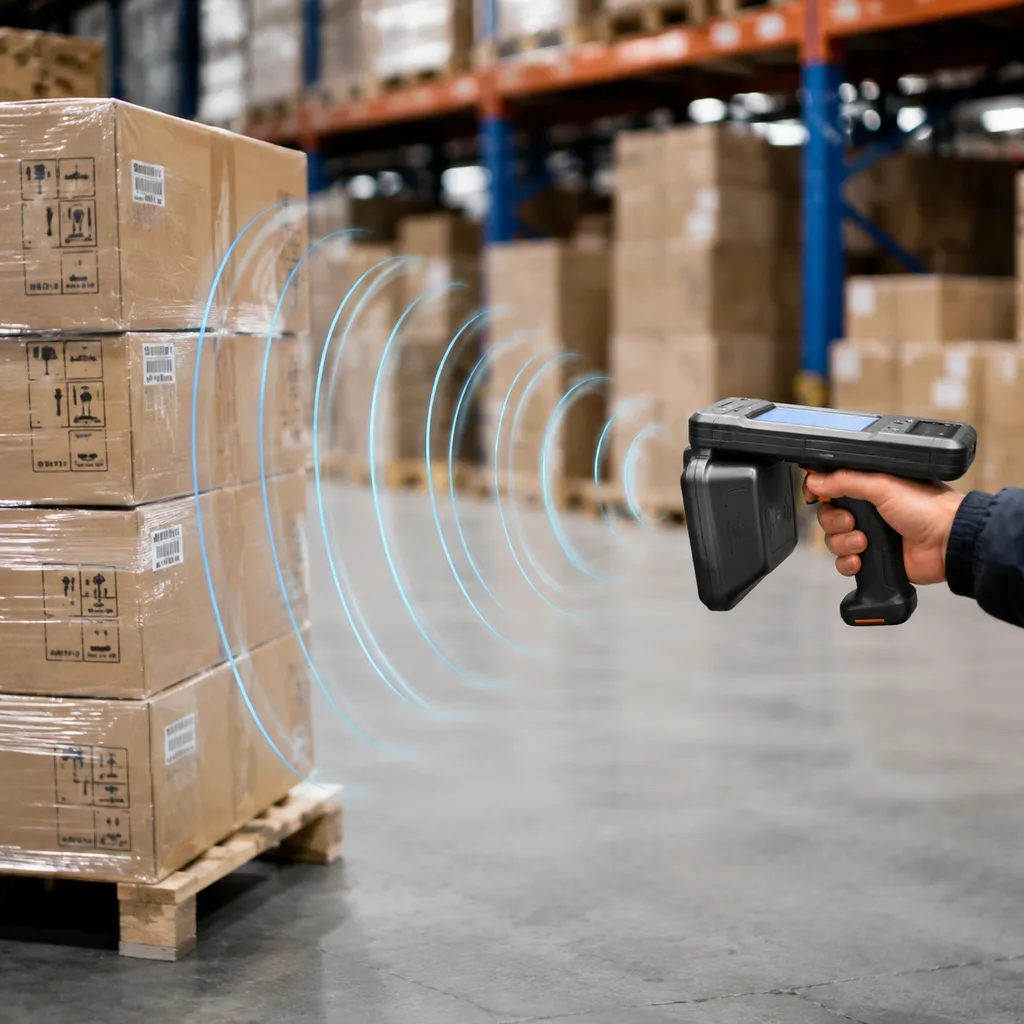
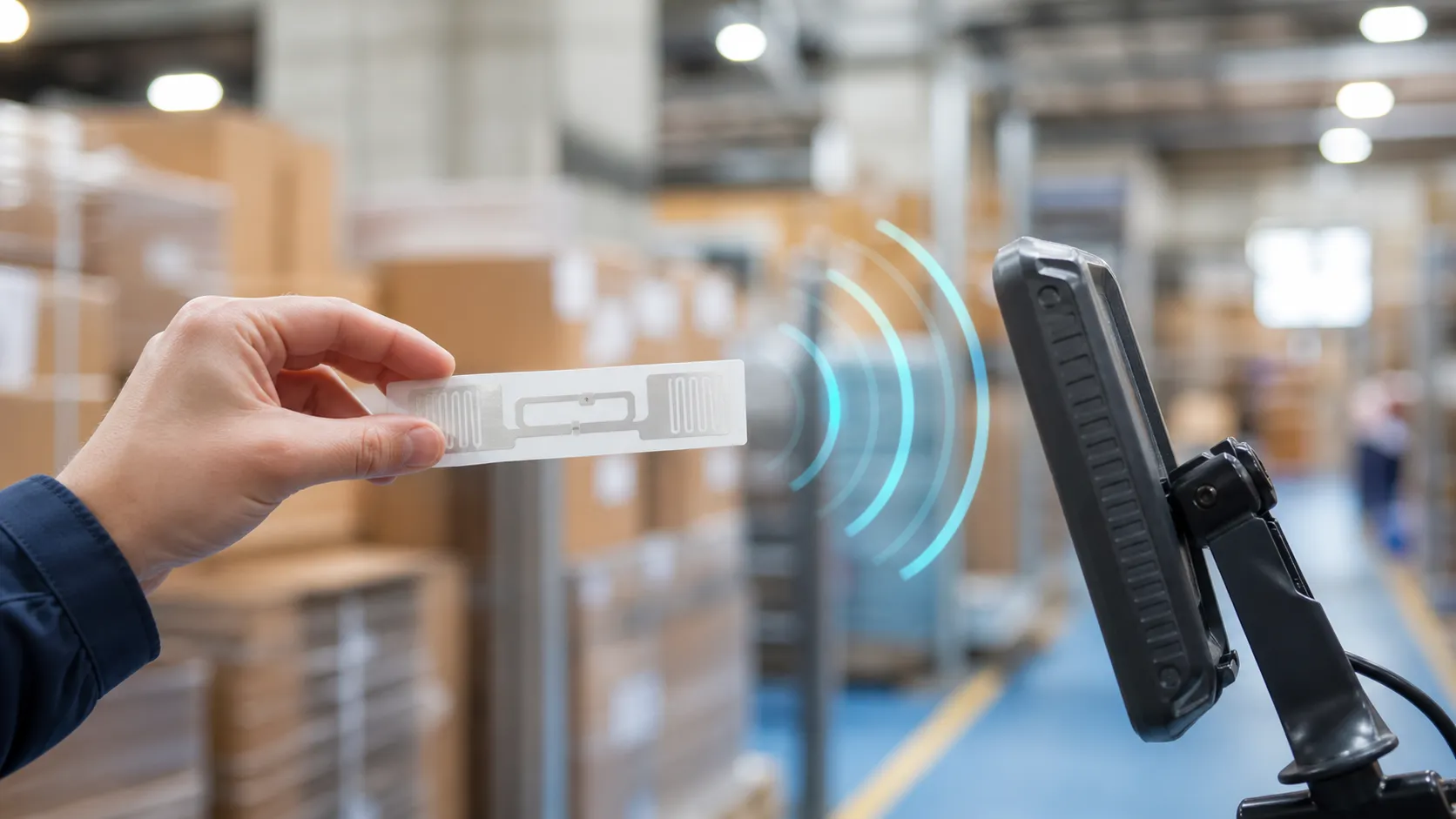
Radio Frequency Identification (RFID) is a wireless technology that uses radio waves to identify and track tags attached to objects. When an RFID reader emits a signal, the passive chip inside your card powers up and transmits its stored data back to the reader instantly. It requires no battery and works from a few inches away.
Common Items in Your Wallet That Use RFID or NFC
Most modern wallets are packed with wireless chips. Near Field Communication (NFC) is simply a specialized, short-range branch of RFID that operates at a standard frequency of 13.56 MHz.
The most common wireless items you carry include:
Contactless Credit and Debit Cards: Look for the radio wave symbol on your card.
Passports: US passports issued after 2006 contain a secure RFID chip in the cover.
Transit Passes: Metro cards and highway toll passes.
Building Access Badges: Keycards used to unlock corporate office doors.
How Contactless Transactions Actually Work
When you tap a card at a checkout terminal, a secure, encrypted exchange takes place within milliseconds.
| Step | Action | Technology Used |
|---|---|---|
| 1. Activation | The payment terminal emits a continuous 13.56 MHz radio signal. | High-Frequency RFID / NFC |
| 2. Transmission | The card enters the field, powers up, and shares a unique token. | Encrypted Data Token |
| 3. Authorization | The bank verifies the one-time token and approves the transaction. | Secure Payment Network |
Because the communication range is so short, your card must be within one to two inches of the reader to trigger a transaction, keeping your daily payments quick and seamless.
What Is RFID Skimming and Is It Really Happening?
RFID Skimming Explained
RFID skimming, often called electronic pickpocketing or wireless identity theft, happens when a criminal uses a handheld RFID reader to scan the data from your contactless cards without your knowledge. They don't need to touch you; they just need to get close enough to pull the signal out of the air. In theory, this allows them to clone your information or execute unauthorized transactions right through your pocket.
How Common Is RFID Skimming?
While the idea of digital thieves picking your pocket from a distance sounds terrifying, real-world data shows that actual instances of rfid skimming are incredibly rare.
- Advanced Encryption: Modern U.S. credit cards use dynamic EMV chips that generate a one-time security code for every single transaction. Even if a scammer sniffs the data, they cannot reuse that token to make a duplicate card or clone your account.
- Low Financial Payoff: Cyber criminals have largely abandoned physical proximity hacks. They prefer large-scale online data breaches or digital phishing scams where they can steal millions of card numbers at once from the comfort of a computer.
- Lack of Crime Reports: Major law enforcement agencies, including the FBI, report almost zero documented cases of successful street-level credit card fraud or identity theft executed via wireless skimming.
Where RFID Vulnerabilities Are More Plausible
Despite the low risk for everyday credit cards, certain situations present genuine vulnerabilities where rfid skimming protection becomes highly relevant.
- Older Legacy Systems: Some older building access badges, corporate ID keys, and transit passes still use unencrypted, low-frequency RFID chips that are easy to copy and clone.
- High-Density Travel Hubs: International airports, crowded train stations, and major tourist spots are the primary targets for tech-savvy pickpockets trying to read unencrypted data or scan vulnerable passports.
- Targeted Corporate Espionage: High-value targets, such as executives carrying proprietary secure access credentials, face a much higher risk of targeted digital tracking.
How RFID Blocking Wallets Work
Many people wonder, are rfid blocking wallets necessary? To answer that, we need to look at how these products actually function under the hood.
The Faraday Cage Principle
Our rfid blocking technology relies on a foundational concept in physics: the Faraday Cage. When a conductive material surrounds an item, it distributes electrostatic charges or electromagnetic radiation around the exterior.
In plain terms, it creates a shield. When an external rfid skimming device emits a signal to scan your pocket, our blocking material intercepts that signal, absorbs or reflects it, and prevents it from reaching your cards.
Types of RFID Blocking Solutions
As a leading RFIDs manufacturer and supplier, we design these protective barriers using a few specific methods:
- Metal Enclosures: Rigid cases made of aluminum or titanium that physically block all wireless signals.
- Shielding Liners: Flexible, high-density metallic meshes woven directly into the fabric of a data protection wallet.
- Passive RFID Blocking Cards: Thin, specialized cards that you slide into your existing wallet to absorb ambient 13.56 MHz signals.
What They Actually Block
Understanding the limits of an rfid blocking card or sleeve will keep your data secure without giving you a false sense of security.
| What Is Blocked | What Is NOT Blocked |
|---|---|
| High-Frequency contactless payment cards (13.56 MHz) | Low-Frequency access badges / building fobs (125 kHz) |
| Modern passports with smart chips | Magnetic strips on older credit cards |
| Standard consumer credit and debit cards | Bluetooth signals from smartphones or smart tags |
A quality rfid wallet provides excellent electronic pickpocketing defense for standard payment cards, but it will not interfere with older low-frequency workplace badges or your phone's digital wallet security.
Are RFID Blocking Wallets Necessary?
When we look at actual risk assessments versus marketing hype, the need for an rfid blocking wallet boils down to your daily environment and your tolerance for risk.
Here is the objective breakdown of where rfid skimming protection actually matters and when it is simply a secondary bonus.
For Everyday Consumers
If your daily routine consists of driving to a local US supermarket, commuting in a private vehicle, and tapping your card at trusted local terminals, the risk of wireless identity theft is incredibly low.
- Modern Card Encryption: Most US EMV chip cards emit a one-time dynamic code for contactless transactions. Even if a bad actor intercepts the signal, they cannot copy your card or steal your identity from that data alone.
- Low Risk Environment: For standard daily routines, an rfid wallet is mostly a matter of convenience and preemptive identity theft protection rather than an emergency requirement.
For Frequent Travelers
If you are navigating international airports, crowded transit hubs, or highly dense tourist areas, an rfid passport holder or blocking wallet becomes a highly smart investment.
- Passport Vulnerabilities: Unlike standard credit cards, some US passports contain electronic chips with your photo, full name, and personal details. An rfid blocking sleeve or dedicated travel wallet prevents unauthorized scanning of this sensitive data in crowded spaces.
- Peace of Mind: When traveling, dealing with a compromised card or data leak is a nightmare. A peace of mind travel wallet eliminates the data vulnerability entirely, letting you focus on your trip.
For Security-Conscious Users and High-Value Targets
For corporate executives, government employees, or anyone carrying high-clearance access badges, data protection wallet technology is a baseline requirement.
- Access Control Vulnerabilities: Unlike credit cards, corporate ID badges, building entry cards, and hotel keys often operate on older, unencrypted RFID frequencies.
- Targeted Cyber Crime: Criminals using handheld skimmers can easily clone these unencrypted badges from a few inches away to gain access to secure systems or physical buildings.
When RFID Blocking Is Not Worth the Hype
We believe in candid security, not fearmongering. You do not need to overpay for over-hyped digital wallet security gimmicks if your cards never leave your house or if you exclusively use smartphone-based mobile wallets like Apple Pay or Google Pay.
| Feature / Scenario | Risk Level | Is RFID Blocking Necessary? |
|---|---|---|
| Smartphone Payments (NFC) | Zero | No (Phone requires biometric authentication) |
| Standard US Credit Cards (EMV) | Very Low | Optional (Financial liability is limited by law) |
| High-Density Transit & Passports | Moderate | Recommended (Protects personal identity data) |
| Unencrypted Corporate Badges | High | Essential (Prevents physical cloning and access breaches) |
While standard credit card fraud prevention is largely handled by your bank's zero-liability policies, investing in a wallet with built-in rfid blocking technology provides a physical barrier against electronic pickpocketing before the breach even occurs.
A Practical Decision Guide

While modern credit card fraud prevention has evolved, protecting access credentials and personal data from electronic pickpocketing remains a practical step for specific lifestyles.
Simple Checklist for Consumers
Use this quick checklist to see if wireless identity theft protection should be on your radar:
- Access Credentials: Do you carry corporate ID badges, smart cards, or hotel key cards that operate on high-frequency (13.56 MHz) systems?
- Frequent Travel: Do you regularly pass through crowded transit hubs, airports, or international border crossings where passport scanning occurs?
- Card Volume: Do you carry multiple contactless payment cards and want to prevent accidental double-billing or card clashes at transit gates?
- Peace of Mind: Do you prefer a passive, set-it-and-forget-it layer of identity security?
If you checked any of these boxes, implementing basic RFID skimming protection is a logical step.
Alternatives to Buying a New Wallet
As a direct manufacturer of shielding materials, we produce low-profile alternatives that integrate into your existing setup:
- RFID Blocking Card: A slim, credit-card-sized insert that you slide into any standard wallet slot. It draws power from incoming scanner signals to disrupt the frequency, protecting adjacent cards.
- Contactless RFID Sleeves: Lightweight, shielding-lined sleeves that slip over individual credit cards or passports.
- Signal Shielding Fabrics: Industrial-grade conductive fabrics used by manufacturers to line custom pockets, bags, and travel gear.
Security Steps That Matter More
Physical shielding is highly effective for signal isolation, but overall digital wallet security requires a multi-layered approach. Combine your blocking tools with these everyday habits:
- Use Mobile Payments: Services like Apple Pay and Google Pay use tokenization, meaning they transmit a one-time code rather than your actual credit card number.
- Enable Transaction Alerts: Set up instant push notifications on your smartphone for every transaction to spot unauthorized activity immediately.
- Freeze Unused Accounts: Keep secondary cards locked within your banking app until you actively need to use them.
When RFID Blocking Is Essential from an Organizational Perspective
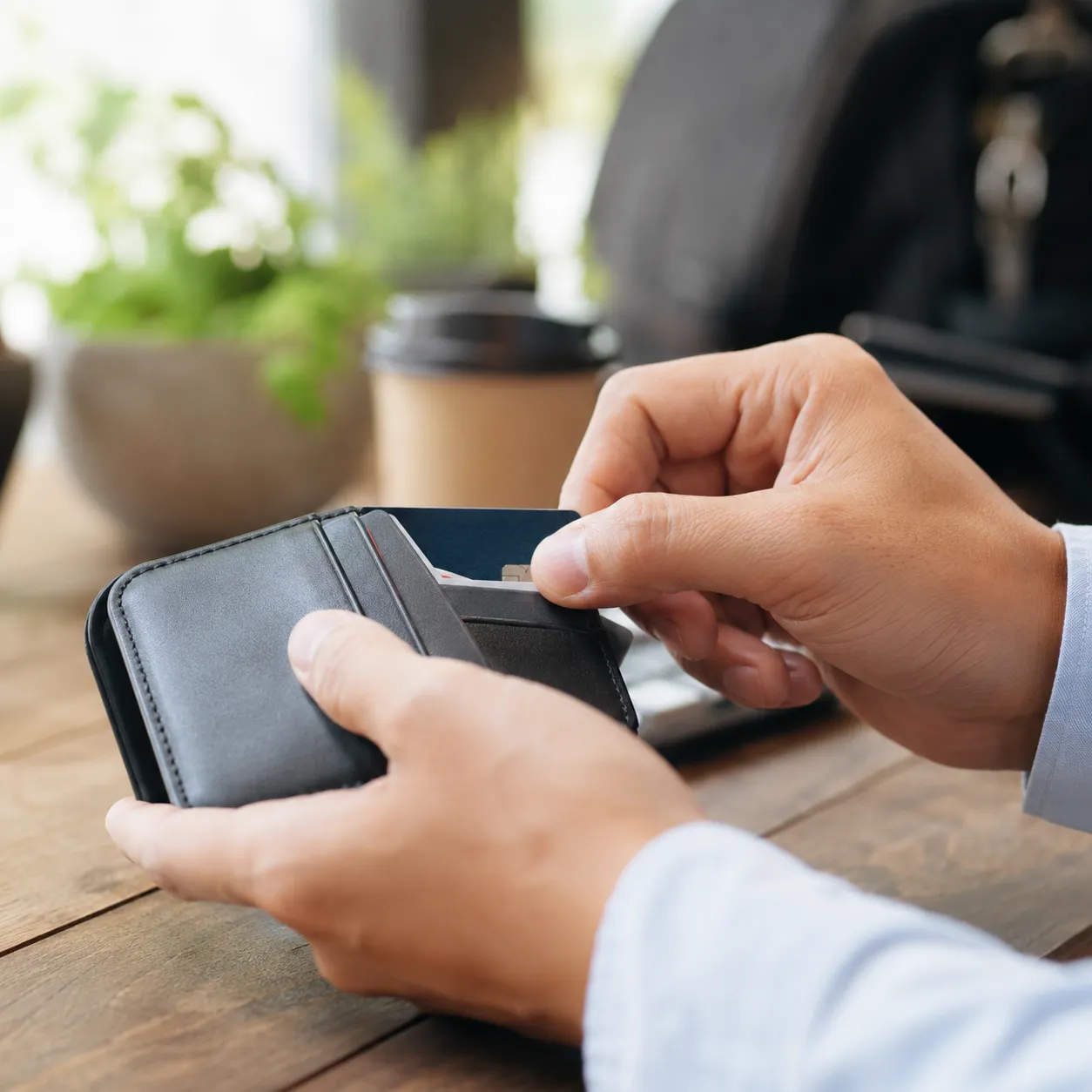
While individual consumers often debate if is rfid blocking necessary, the math changes entirely at the enterprise level. For businesses, government agencies, and industrial complexes, secure data protection is a non-negotiable operational standard.
Corporate and Institutional Use Cases
Large-scale organizations rely heavily on RFID technology for physical access control and asset management. Corporate ID badges, government credentials, and secure facility keycards operate on specific frequencies that broadcast data. Without proper rfid skimming protection, unauthorized actors can copy these credentials from a distance. For high-security environments, institutional identity security requires deployment of shielded badges and heavy-duty blocking tech to prevent corporate espionage and unauthorized building access.
Banking, Fintech, and Card Issuers
Modern banking thrives on frictionless utility, but contactless payment systems require strict security frameworks. Fintech startups and legacy card issuers must mitigate credit card fraud before it hits the consumer. Financial institutions integrate advanced encryption alongside physical shielding solutions. Providing users with an rfid blocking card or branded security sleeve directly reduces fraud claims, building brand trust while lowering the massive financial liabilities associated with cyber crime.
Hospitality and Travel
The travel industry handles highly sensitive customer data around the clock. From electronic hotel room keys to modern passports, physical data points are everywhere. If a guest experiences electronic pickpocketing or a compromised room key, the hospitality brand takes the blame. Integrating rfid skimming countermeasures into hotel keycard designs, event wristbands, and luggage tags protects guest privacy while ensuring compliance with international data privacy laws.
Manufacturers and Brands of Wallets, Bags, and Accessories
If you manufacture everyday carry items, consumer expectations have shifted. Buyers actively search for a data protection wallet or a dedicated rfid passport holder to gain peace of mind. Incorporating rfid blocking technology directly into your production line is no longer a premium add-on—it is a baseline requirement to remain competitive in the US market.
Why Partner with a Specialized RFID Manufacturer Like JN RFID
At JN RFID, we build professional-grade security components directly into your product lines. We handle the complex engineering so you can deliver verified wireless identity theft protection to your customers.
- Verified Shielding Standards: We manufacture active and passive blocking tech that meets strict industry standards, effectively neutralizing frequencies from 125 kHz to 13.56 MHz.
- Custom Integration: Whether you design minimalist metal cardholders, classic leather bi-folds, or rugged travel bags, our materials blend seamlessly into your existing designs without adding bulk.
- Supply Chain Reliability: We provide consistent, high-volume production runs with rigorous quality control, ensuring your brand delivers real, measurable protection against digital wallet vulnerabilities.
Technical Deep Dive into RFID Frequencies and Standards
Understanding how wireless cards communicate helps clarify is rfid blocking necessary for your specific setup. Contactless cards and passport chips rely on precise radio frequencies to transmit data.
Here is a breakdown of the standard frequencies used in everyday items:
| Item Type | Frequency | Common Standards | Vulnerability Level |
|---|---|---|---|
| Credit / Debit Cards | 13.56 MHz (High Frequency) | ISO 14443 / EMV | Target for contactless card security protocols |
| Passports (e-Passports) | 13.56 MHz (High Frequency) | ISO 14443 | Encrypted; requires rfid passport holder for absolute peace of mind |
| Access Control / ID Badges | 125 kHz (Low Frequency) | ProxCard / Indala | Vulnerable to cloning; standard rfid blocking technology rarely covers this |
| Vehicle Toll Passes | 860–960 MHz (Ultra-High) | EPC Gen 2 / ISO 18000-6C | Long-range; not used for personal identity theft |
Passive vs. Active RFID Blocking Cards
As an RFID manufacturer, we design two primary types of protection to mitigate wireless identity theft and shield your digital wallet.
Passive RFID Blocking
- How it works: Uses a Faraday cage design made of conductive materials (like aluminum or carbon fiber).
- Mechanism: It absorbs or deflects incoming radio waves from skimmers.
- Best for: Standard wallets, an rfid blocking sleeve, or lined passport holders.
Active RFID Blocking
- How it works: Contains a tiny microchip that draws power from the rogue scanner's signal.
- Mechanism: It instantly broadcasts a jamming signal to scramble the data.
- Best for: A standalone rfid blocking card that protects an entire traditional wallet.
Testing RFID Blocking Performance
To guarantee effective credit card fraud prevention and robust identity theft protection, we put our shielding materials through rigorous real-world testing.
- Network Analyzer Testing: We measure the decibel (dB) attenuation at the 13.56 MHz frequency. High-quality rfid skimming protection should offer at least 30 to 40 dB of signal suppression.
- Commercial Scanner Probing: We attempt to read live EMV cards using high-powered commercial RFID readers from varying distances. Total signal blockage confirms the shield is consumer-ready.
- Real-World Point-of-Sale (POS) Testing: We place the shielding material over a contactless card and tap it against standard retail payment terminals. A successful test results in a completely failed transaction, proving the data protection wallet material does its job flawlessly.