RFID Technology
You have probably heard a lot of talk about electronic theft and the need to protect your cards, but it is hard to defend against a threat you do not fully understand. Before looking into security accessories, we need to break down the actual wireless technology built into your everyday items.
What Is RFID and How Does It Work?
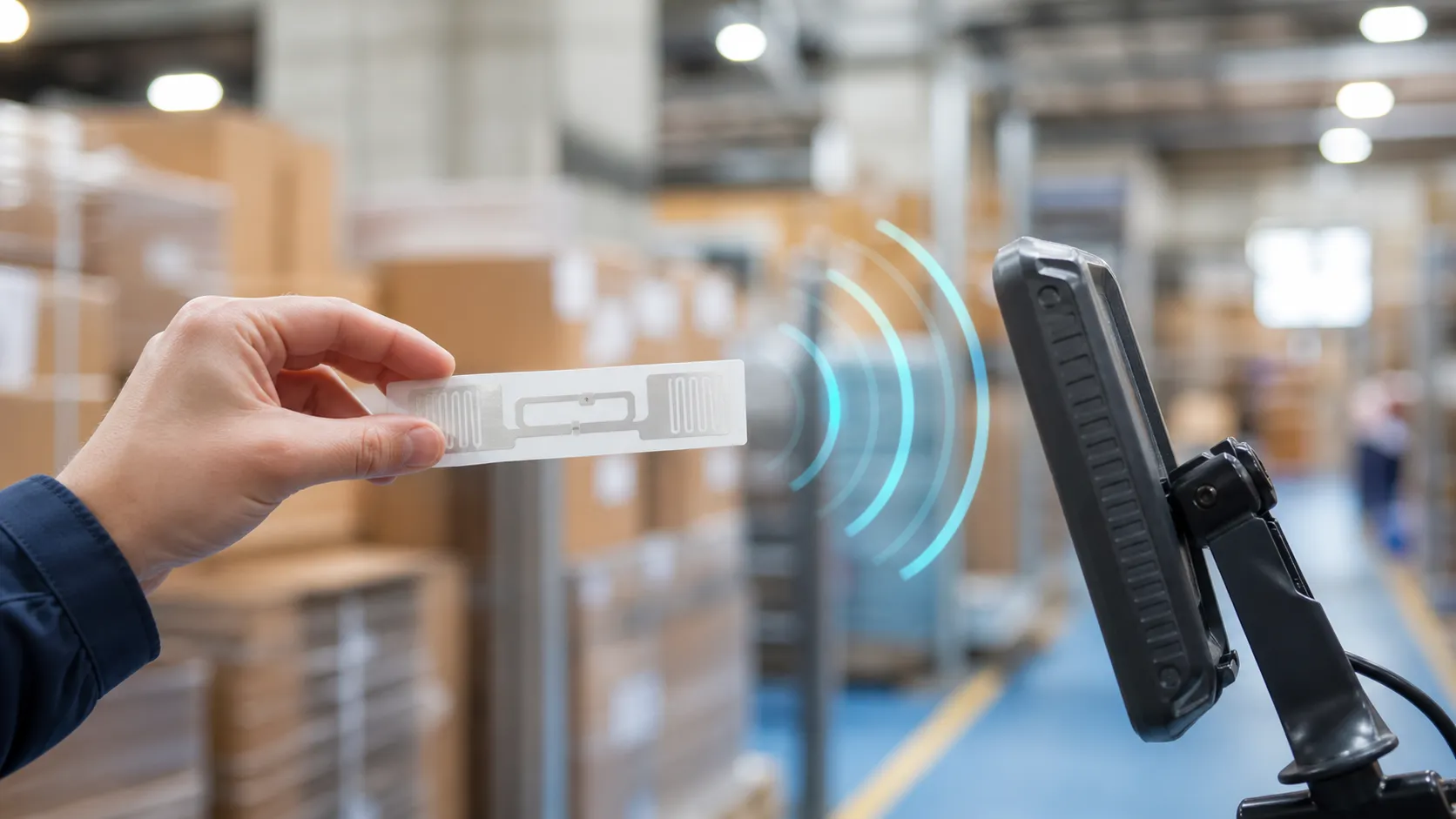
RFID stands for Radio Frequency Identification. It is a wireless technology that uses electromagnetic fields to automatically identify and track tags attached to objects.
The system relies on two main components:
The RFID Tag (or Microchip): Embedded inside your credit card, passport, or ID. It contains an antenna and a tiny chip holding your data.
The RFID Reader (or Scanner): A device that sends out radio waves. When a card gets close enough, the radio waves power up the passive microchip inside the card, causing it to transmit its data back to the scanner.
This entire exchange happens instantly and without any physical contact, which is exactly why people worry about unauthorized scanning.
Common Everyday Uses of RFID
RFID technology is everywhere in the US market, quietly powering the conveniences we take for granted every day.
| Item | How It Uses RFID |
|---|---|
| Credit & Debit Cards | Enables tap-to-pay contactless payment at checkout terminals. |
| US Passports | Embedded chips store your photo and personal biometrics for quick border processing. |
| Access Cards & Key Fobs | Grants entry to apartment complexes, office buildings, and parking garages with a quick wave. |
| Commuter Passes | Powers "tap-and-go" transit cards for subways and city buses. |
RFID vs NFC
People often mix up these two terms, but they are not identical. NFC (Near Field Communication) is actually a specialized, short-range branch of RFID technology.
Here is how they differ in the real world:
RFID is a broad category. It can operate across various radio frequencies, and some high-frequency systems can read tags from dozens of feet away (like the toll pass transponder on your car's windshield).
NFC is strictly limited to a specific high frequency (13.56 MHz) and requires extreme proximity. For an NFC connection to work—like when you use Apple Pay, Google Wallet, or tap a modern Visa card—the device must be within an inch or two of the reader.
Because your sensitive payment cards use this 13.56 MHz frequency, standard RFID vs NFC security solutions focus entirely on blocking these specific close-range radio waves.
What Is RFID Blocking?

RFID blocking meaning comes down to creating a digital shield around your personal items. It is a protective measure designed to stop unauthorized scanners from reading the data stored on your microchip-embedded cards and passports.
Basic Concept and Meaning
At its core, an RFID blocker acts as a barrier against electronic pickpocketing. Modern credit cards use radio waves to transmit data wirelessly to payment terminals. An RFID blocker intercepts these radio waves, ensuring that your sensitive information remains locked away from high-tech thieves.
What Makes a Wallet or Sleeve “RFID Blocking”?
A standard leather or fabric wallet does absolutely nothing to stop radio signals. For a product to offer genuine contactless card protection, it must incorporate specialized RFID blocking materials.
- Conductive Metal Linings: We embed ultra-thin layers of metals like aluminum or copper inside the wallet structure to disrupt electromagnetic fields.
- Signal Attenuation: These metal layers absorb or reflect the incoming radio signals from a thief's scanner.
- The Faraday Shield: By completely wrapping your cards in a conductive material, the wallet creates a mini-protective enclosure that leaves scanners completely blind.
| Material Type | Blocking Efficiency | Common Use Case |
|---|---|---|
| Aluminum Foil Lining | High (13.56 MHz) | Every-day RFID blocking wallets |
| Copper/Nickel Mesh | Ultra-High (Multi-frequency) | Heavy-duty tactical wallets & bags |
| Standard Leather | Zero Protection | Traditional non-blocking wallets |
The Science Behind RFID Blocking
When we design protective gear for your data, we rely on established physics to stop unauthorized scanning. To understand how rfid blocking work, you have to look at how we control electromagnetic fields. We use two distinct engineering methods to protect your credit cards: passive shielding and active interference.
Faraday Cage Concept and Electromagnetic Shielding
The foundational tech behind most protection is the Faraday cage. When an ungrounded conductive material—like a metal lining—surrounds a microchip, it creates a barrier against external radio waves.
- The Physics: An incoming electromagnetic field hits the metallic exterior.
- The Reaction: Electrons within the metal shift to distribute the charge across the outside surface.
- The Result: The interior electrical charge cancels out, meaning the scanner signal never reaches the card inside.
Passive RFID Blocking
Passive RFID protection relies entirely on material density and composition to achieve signal attenuation (weakening the signal power). We embed specific RFID blocking materials directly into the fabric or walls of our products.
[RFID Scanner Signal]
↓
|| Conductive Metal Lining ||
(RF Shielding Layer)
↓
RFID Signal Blocked
Our passive barriers use a specialized metal lining calibrated to block the exact 13.56 MHz frequency used by modern contactless payment systems. By absorbing and reflecting the energy from the reader, the microchip in your card remains completely invisible to electronic pickpockets.
Active RFID Blocking
For dynamic protection, we use an active RFID jamming card. Instead of just hiding your cards, this method fights back with signal jamming.
| Feature | Passive Shielding | Active Jamming |
|---|---|---|
| Method | Reflects and absorbs waves | Creates an interference field |
| Power Source | None (Structural) | Draws power from the rogue scanner |
| Protection Radius | Limited to inside the wallet | Extends a small perimeter (~1-2 cm) |
When a rogue scanner sends out a signal, our active RFID blocking technology detects the energy, wakes up instantly, and broadcasts a counter-signal. This creates electronic noise that completely scrambles the communication, ensuring your identity theft protection is absolute without ever needing a battery.
Different Types of RFID Blocking Technologies and Products

Security isn't one-size-fits-all. Different lifestyles require different types of RFID blocking technology to keep credit cards, passports, and IDs safe from unauthorized scanning.
Here is how the most common everyday solutions stack up:
| Product Type | How It Works | Best Used For |
|---|---|---|
| RFID-Blocking Wallets | Built-in metal lining or conductive material inside the wallet walls. | Everyday carry, replacing a standard wallet completely. |
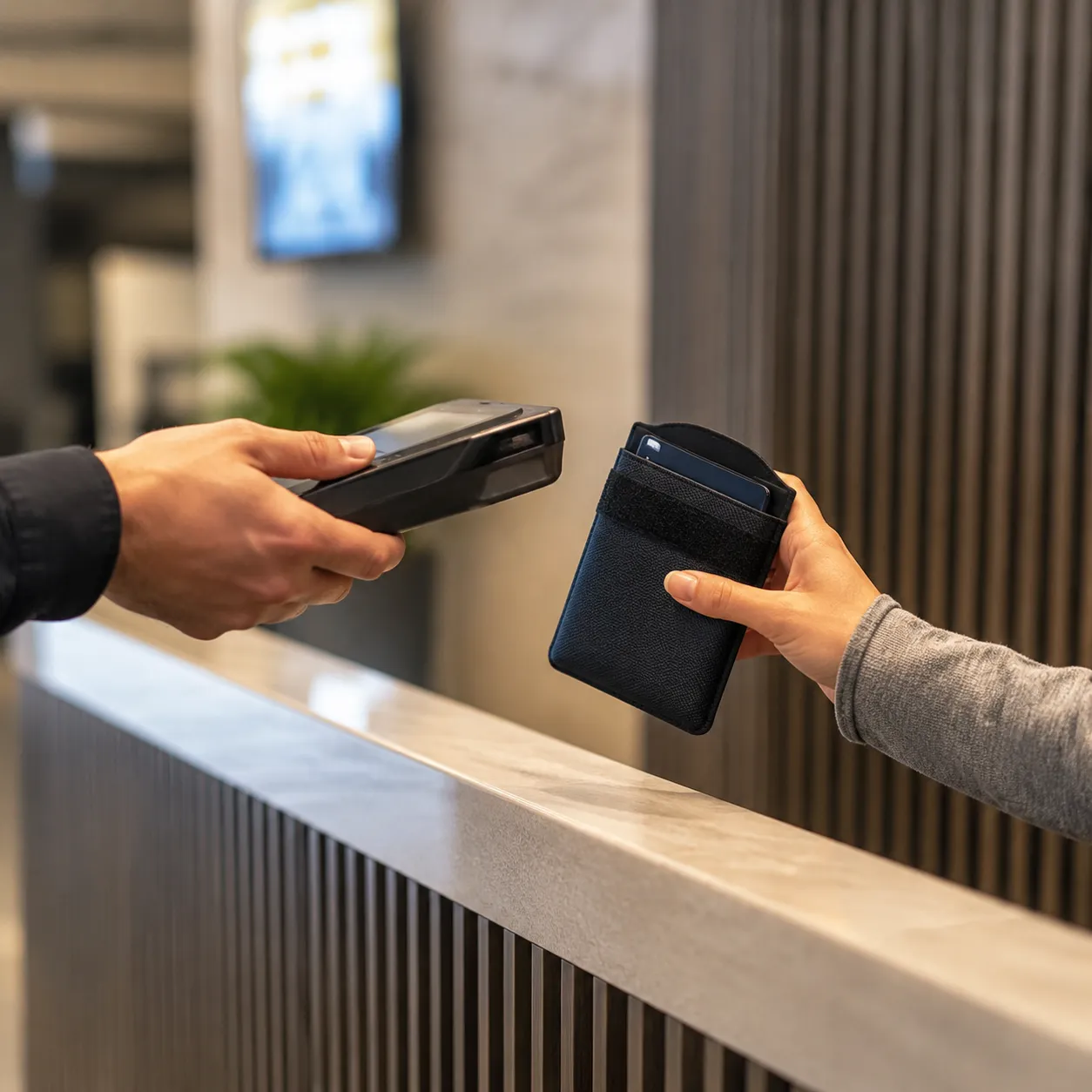
| RFID Blocking Sleeves | Individual paper or plastic shields coated with thin metallic foil. | Protecting specific high-risk cards inside an older, non-blocking wallet. |
| Faraday Bags & Pouches | Heavy-duty, multi-layered mesh that creates a complete faraday cage for credit cards and key fobs. | Travel, high-security environments, and blocking car key fob signals. |
| RFID Blocking Cards | Specialized cards that slide into a standard wallet to draw power from scanners and jam signals. | Upgrading a regular wallet without buying a new one. |
RFID-Blocking Wallets and Cardholders
An RFID blocking wallet is the easiest way to get permanent, everyday digital pickpocketing protection. Instead of treating cards individually, we build the electromagnetic shielding for RFID directly into the structure of the wallet itself. Whether it is a minimalist aluminum cardholder or a classic leather bi-fold, these wallets feature a hidden layer of conductive material that blocks incoming radio waves. It looks, feels, and functions exactly like a premium traditional wallet, but it completely shields everything inside from an external scanner.
RFID-Blocking Sleeves and Individual Card Protectors
If you love your current wallet but need contactless card protection, a dedicated RFID blocking sleeve is the most practical alternative. These are ultra-thin, low-profile sleeves made from a combination of durable polymer and a micro-thin layer of aluminum foil or alloy. You simply slide your debit card, credit card, or passport into the sleeve, and then place it back into your wallet. It adds almost zero bulk while effectively dampening any signal transmission.
RFID-Blocking Bags, Pouches, and Faraday Accessories
For travelers and commuters, RFID-blocking bags and Faraday pouches offer a wider perimeter of defense. These products do not just protect a single card; they protect entire zones. We use advanced multi-layered metallic mesh to line internal pockets, creating a true faraday cage environment. This heavy-duty shielding is crucial for stopping higher-power signals, protecting everything from stacked credit cards to electronic passports and wireless car keys from advanced remote data harvesting.
RFID-Blocking Cards (Active and Passive)
An RFID blocking card is an innovative piece of tech designed to sit directly inside your existing wallet. There are two distinct types available on the market today:
- Passive Blocking Cards: These act like a mirror or an absorbent sponge, using a dense metal lining to create a localized shield that alters the electromagnetic field around your cards, making them invisible to a reader.
- Active Signal Jamming Cards: These contain a tiny microchip that draws energy from the power field of any nearby scanner. Once activated by an intrusive signal, the card immediately deploys a counter-signal. This signal jamming capability creates electronic interference that scrambles data, ensuring the reader receives nothing but unreadable static.
Which Signals Can RFID Blocking Actually Stop?
An effective RFID blocker doesn't just shut down every radio wave in the universe—it targets specific frequencies used by modern financial and identification tech.
RFID Frequency Bands and Why They Matter
RFID tech operates across three primary frequency bands. Knowing the difference tells you exactly what your shielding can and cannot stop:
- Low Frequency (LF - 125 kHz to 134 kHz): Used mostly for older access control cards, building entry badges, and pet microchips. This band has a short read range and is rarely targeted by digital pickpockets.
- High Frequency (HF - 13.56 MHz): This is the sweet spot for modern consumer tech. It is the exact frequency used by contactless payment credit cards, smart passports, and RFID vs NFC security protocols. This is the primary frequency that RFID blocking materials are engineered to shield.
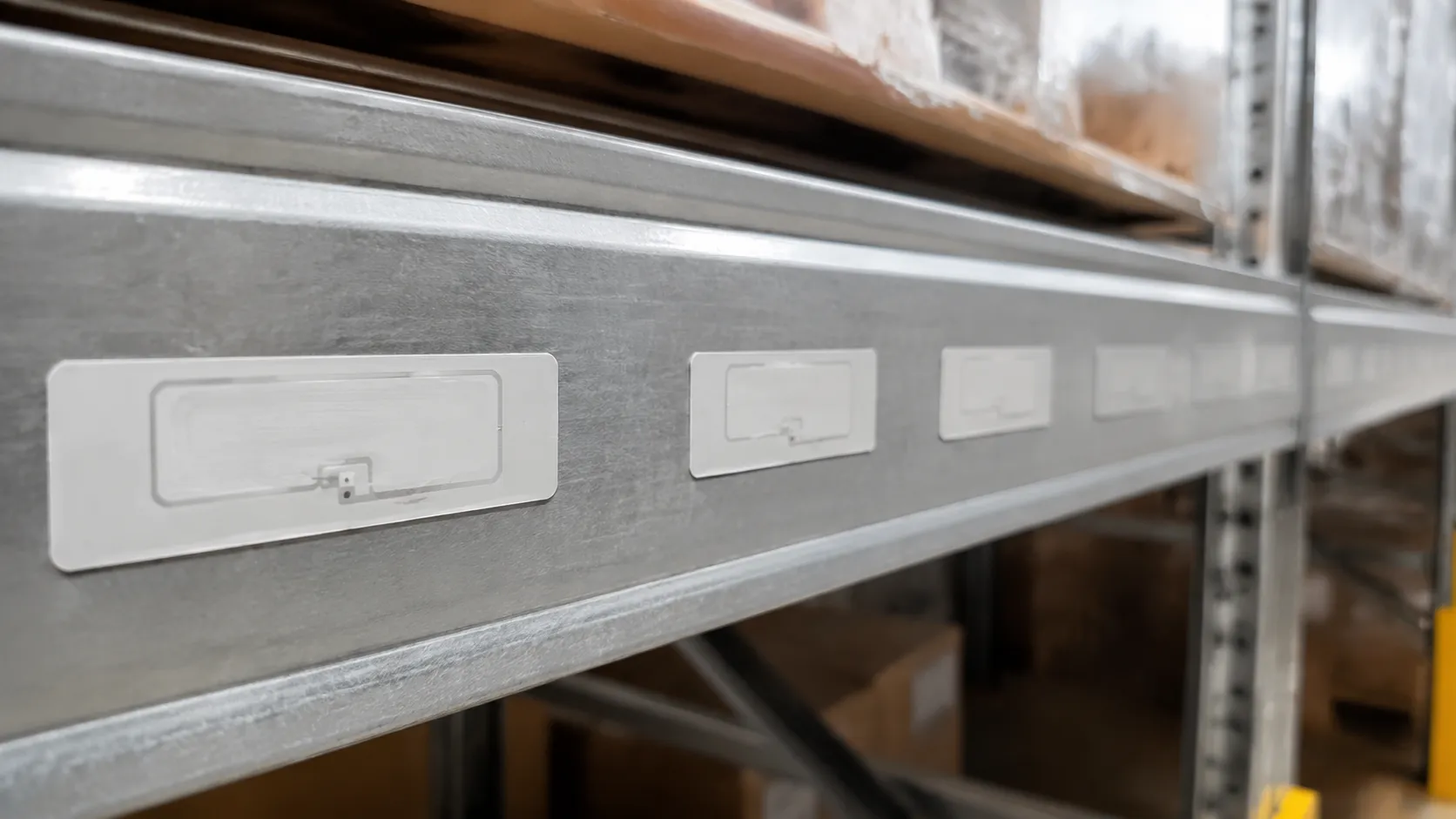
- Ultra-High Frequency (UHF - 860 MHz to 960 MHz): Used for long-range tracking, like inventory management, toll road passes, and logistics tracking.
Blocking Contactless Cards and Payments
The main reason US consumers invest in a high-quality RFID blocking card explained or wallet is to protect their money. Modern credit and debit cards use the High Frequency (13.56 MHz) band to transmit data during a tap-to-pay transaction.
Our specialized contactless card protection solutions place a highly conductive metallic layer between the scanner and your card. This layer creates a barrier that absorbs or reflects the 13.56 MHz radio waves, instantly dropping the scanner's signal to zero and keeping your banking details locked down.
Blocking Access Cards, Key Fobs, and Passports
Protecting your identity and property requires a quick look at what else is in your pockets:
| Item Type | Standard Frequency | Does RFID Blocking Stop It? |
|---|---|---|
| Smart Passports | 13.56 MHz (HF) | Yes. Standard passport shields block these waves completely. |
| Work ID / Access Badges | 125 kHz (LF) or 13.56 MHz (HF) | Depends. Stops HF smart cards, but may not stop older 125 kHz proximity badges. |
| Car Key Fobs | 315 MHz or 433 MHz | No. Standard wallets won't stop these; you need a specialized automotive Faraday pouch to prevent relay attacks. |
Understanding the Real Risk

Tapping a credit card at a grocery store or gas pump is seamless, but it leaves many wondering: is your data safely locked away, or floating out in the open? The fear of someone stealing your information right out of your pocket is a major talking point today. Let's break down how high the actual stakes are.
The Threat of RFID Skimming and “Electronic Pickpocketing”
The concept of electronic pickpocketing sounds like a high-tech movie plot. In theory, a thief with a handheld scanner can walk through a crowded NYC subway or a busy LA airport, pass close to your pocket, and silently lift your credit cards numbers via radio waves. This method is known as RFID skimming. While the technical possibility exists, the reality of this threat requires a closer look at how modern fraud actually happens.
How Modern Cards and Systems Protect Themselves
Most modern financial chips do not just broadcast your raw data into the air. Security has evolved significantly.
- Dynamic Data Encryption: When a scanner hits a modern contactless card, the microchip does not give away your static card number or CVV code. Instead, it generates a unique, one-time transaction code.
- Tokenization: Even if a hacker builds a custom antenna to intercept the signal, the stolen token is completely useless for a second transaction or for online shopping.
- Proximity Limits: Contactless payment systems are designed to work only within a range of a few centimeters, making accidental or stealthy long-range reads incredibly difficult to execute.
Marketing Hype vs Genuine Protection
There is a lot of noise surrounding identity theft, and it is important to separate marketing hype from genuine protection. The vast majority of credit card fraud in the US happens through online data breaches, skimming devices physically attached to gas pumps, or phishing emails—not from thieves scanning your back pocket.
| Vector of Attack | Risk Level | How It Happens |
|---|---|---|
| Online Phishing & Breaches | Extreme | Database leaks, fake websites, malware. |
| Physical Magstripe Skimmers | High | Hidden overlays placed on physical card readers. |
| RFID Digital Pickpocketing | Low | Intercepting data over the air using rogue antennas. |
So, what is what is a rfid blocker actually good for? While the risk of financial theft via skimming is low due to chip encryption, an RFID-blocking layer offers critical peace of mind and protects older, unencrypted data formats—like certain building access cards, older passport models, or specific transit passes. It acts as a preventative insurance policy: you might never encounter an active over-the-air attack, but having a metal lining or conductive material inside your daily carry guarantees your personal perimeter is completely locked down.
How to Tell if RFID Blocking Products Actually Work

You cannot see radio waves, which makes it hard to tell if your RFID blocking technology is actually doing its job or if it is just marketing hype. Fortunately, you do not need a laboratory to verify if your gear provides genuine digital pickpocketing protection.
Here is how we test these products to ensure they deliver real-world security.
Practical At-Home Tests
The easiest way to test how RFID wallets work is to try using your card while it is inside the protective barrier. You can do this at any retail store checkout lane or a local transit barrier.
- The Tap-to-Pay Test: Place your contactless credit card inside your RFID blocking sleeve or wallet. Attempt to tap and pay at a regular store terminal. If the scanner cannot read the card and the transaction fails, the passive RFID protection is working perfectly.
- The Transit Gate Test: Keep your commuter card inside your wallet and hold it against the subway or bus card reader. If the gate remains closed, the electromagnetic shielding for RFID is successfully blocking the signal.
- The Smartphone Test: Download a secure NFC card reader app on your smartphone. Try to scan your credit card through the wallet material. A successful block means the app will detect absolutely nothing.
Technical Testing and Certification
For industry professionals and our own production lines, we rely on precise engineering metrics rather than retail scanners. We test our RFID blocking materials against specific frequencies to guarantee total security.
| Testing Level | Method Used | Target Frequency | Success Metric |
|---|---|---|---|
| Consumer Check | Point-of-Sale (POS) Terminal Scan | 13.56 MHz (Payment/NFC) | Zero data transmission |
| Professional Lab | Network Analyzer & Signal Generator | 13.56 MHz & 125 kHz | > 99.9% Signal Attenuation |
| Compliance | Signal Jamming Analysis | Active Frequency Bands | Successful active RFID jamming card interference |
Genuine protection requires the right conductive material and a properly engineered metal lining to create a functional Faraday cage for credit cards. If a product passes both the real-world tap tests and laboratory frequency testing, your data remains completely safe from RFID skimming attempts.
Key Factors to Consider When Choosing RFID-Blocking Products
Finding the right defense against digital theft means looking past marketing buzzwords. When we design and evaluate protective gear, we focus on real-world reliability. Here is what you need to check before buying.
Security Performance and Coverage
Not all shields are created equal. A high-quality RFID blocking wallet must target the specific 13.56 MHz frequency used by modern credit cards, passports, and ID badges.
- Dual-Band Protection: Ensure the product blocks both high-frequency (13.56 MHz) payment signals and low-frequency (125 kHz) proximity access cards if you secure building fobs.
- Total Shielding: The conductive material must completely enclose the cards. Any gaps or cheap mesh linings can allow a high-powered scanner to read your data.
Material Quality and Durability
An RFID blocker is only as good as its weakest layer. Many cheap alternatives use thin, metallic sprays that flake off after a few months of sliding cards in and out.
| Material Type | Longevity | Shielding Effectiveness |
|---|---|---|
| Carbon Fiber / Rigid Aluminum | Extremely High | Maximum physical and signal protection |
| Military-Grade Nickel/Copper Fabric | High | Excellent flexibility, long-lasting attenuation |
| Aluminized Paper Sleeves | Low | Temporary fix; tears easily under daily wear |
We prioritize rigid metals or multi-layer fabric weaves that handle the friction of daily use without degrading your contactless card protection.
Design, Usability, and Everyday Convenience
Security should never make your life frustrating. If a wallet is too bulky or makes accessing your driver's license a chore, you will stop using it.
- Profile Size: Look for slim layouts that fit comfortably in front pockets to reduce physical pickpocketing risks alongside electronic pickpocketing defense.
- Quick-Access Slots: The best designs feature exterior non-blocked slots for quick transit scanning, while keeping your main credit cards locked down inside the electromagnetic shielding.
Matching Solutions to Your Use Case
Your daily routine dictates your setup. We recommend tailoring your armor to how you travel and work.
- The Daily Commuter: A slim RFID blocking cardholder keeps your essential payment cards safe while navigating crowded trains and coffee shops.
- The International Traveler: A dedicated passport pouch or travel neck wallet ensures your digital credentials stay invisible to roaming skimmers in foreign airports.
- The Minimalist: A modular, rigid metal wallet offers the ultimate combination of crush resistance and clean aesthetics.
How JN RFID Designs and Builds Effective RFID-Blocking Solutions

We don't believe in guesswork when it comes to securing your data. At JN RFID, our engineering process focuses on balancing absolute security with everyday usability. We design our RFID blocking technology to intercept unauthorized scans before they ever reach your sensitive electronics, giving you peace of mind on your daily commute.
JN RFID’s Approach to Material Selection
Creating a reliable RFID blocking wallet meaning real protection starts with premium, high-grade components. We utilize advanced electromagnetic shielding for RFID by layering ultra-thin, highly conductive metal composites inside our gear.
- Nickel and Copper Alloys: These metals offer superior attenuation to completely block high-frequency 13.56 MHz signals used by modern credit cards and contactless payment systems.
- Structural Integrity: We bond these RFID blocking materials between premium leather or durable textiles so your protection won't rip, crack, or degrade over time.
- Weight Optimization: Our shielding layers provide maximum defense without adding bulk to your pocket or bag.
Product Engineering and Testing at JN RFID
Every single product we manufacture undergoes rigorous testing to ensure it delivers genuine digital pickpocketing protection. We don't just rely on factory defaults; we simulate real-world threats in our lab.
| Testing Phase | Method | Target |
|---|---|---|
| Frequency Sweep | Exposing materials to 125 kHz up to 900 MHz | Verifying complete passive RFID protection |
| Signal Attenuation | Measuring decibel (dB) drop of incoming radio waves | Ensuring scanner signals cannot penetrate the shield |
| Wear & Flex Test | Bending and folding the product thousands of times | Confirming the metal lining stays intact after years of use |
Example JN RFID Products and Their Use Cases
We tailor our lineups to fit the specific habits of US consumers, whether you need a slim profile for city transit or heavy-duty coverage for international travel.
- The JN Minimalist Wallet: A sleek RFID blocking wallet designed for front-pocket carry. It keeps your primary debit and credit cards safely sealed inside an integrated Faraday cage for credit cards.
- JN Ultra-Slim Sleeves: Perfect if you love your current wallet but want to add contactless card protection to a specific card or your passport.
- JN Commuter Pouches: Heavy-duty, multi-layered organizers that block both RFID signals and smartphone tracking frequencies, offering comprehensive security for the modern business traveler.
FAQs About RFID Blocking
Can aluminum foil act as an RFID blocker?
Yes, aluminum foil can technically act as a crude RFID blocker. Because aluminum is a conductive metal, it creates a basic Faraday cage for credit cards that reflects and disrupts radio waves. However, standard kitchen foil tears easily and looks unprofessional. For reliable contactless card protection, a dedicated wallet with a built-in metal lining or conductive material is a much more durable solution for everyday US consumers.
Will RFID blocking interfere with normal use of my cards?
No. An RFID blocking wallet only protects your cards while they are enclosed inside the wallet. The moment you take your credit cards, passport, or contactless payment cards out of the protective layers, they will function perfectly with any standard scanner or terminal. It causes zero permanent damage to the card's microchip.
Are all RFID-blocking products the same?
Absolutely not. The market is flooded with varying levels of quality. Many cheap sleeves offer weak passive RFID protection that only dampens signals rather than blocking them entirely. High-quality protection relies on precise electromagnetic shielding for RFID that targets specific frequencies, such as the 13.56 MHz band used by modern financial cards. Some advanced solutions even use an active RFID jamming card to actively scramble the signals of intrusive scanners.
Is RFID blocking enough to prevent identity theft?
While it is an excellent tool for RFID skimming prevention, it is not a silver bullet for all forms of identity theft. Digital pickpocketing protection secures your physical pockets from rogue data collection, but it cannot protect you from online phishing scams, data breaches, or malware. True security requires combining physical signal protection with smart digital habits.