When does a high memory uhf rfid tag outperform standard 128-bit EPC labels? When field teams or offline assets need localized history, extended user memory beats cloud-only lookup. Below we compare uhf rfid tag memory size, Gen2 memory banks, chip options (Impinj Monza X-8K, FRAM tags), read range trade-offs, industrial use cases, and factory verification for asset tracking.
High Memory UHF RFID Tag: Evolution of User Data Storage
For years, standard supply chain tracking relied on a basic passive UHF tag that topped out at a 128-bit Electronic Product Code (EPC). That works fine if you just need to point to a cloud database, but modern industrial operations demand more. When you are out in the field or managing complex assets without a continuous network connection, your tag needs to hold the data itself.
Moving Beyond the Standard 128-Bit Limit
We saw the need for a major upgrade, which led to the development of the high memory uhf rfid tag. Instead of relying on a distant server to find out an asset's history, a high-capacity chip allows you to store maintenance logs, manufacturing dates, and compliance certificates right on the item.
- Standard Tags: 96-bit or 128-bit EPC memory (Strictly for identification numbers).
- High Memory Tags: Up to 8KB or more of dedicated user memory for localized data logging.
The Core Architectural Shift
This shift required completely rethinking the underlying uhf rfid tag memory layout. Traditional radio frequency identification chips use standard EEPROM, which can be limiting for heavy data logging. Today, we utilize advanced silicon architectures—like the Impinj Monza X-8K or NXP UCODE 7xm—and high-capacity FRAM tags to handle massive data storage without sacrificing transmission speeds.
| Feature | Standard UHF Tag | High Memory UHF RFID Tag |
|---|---|---|
| Primary Use Case | Basic inventory management | Complex asset tracking, field logs, and history |
| EPC Memory | 96 - 128 bits | 128 - 448 bits |
| User Memory Size | 0 - 512 bits | 1KB to 8KB+ |
| Data Dependency | Requires 100% cloud/database uptime | Holds critical history directly on the physical asset |
By expanding the uhf rfid tag data memory, we bridge the gap between simple serialization and localized edge data storage, giving your team immediate access to critical asset history anywhere in the world.
High Memory UHF RFID Tag: Gen2 Memory Banks
When you look under the hood of a high memory uhf rfid tag, the standard Gen2 architecture gets a major upgrade. A standard passive UHF tag usually hits a wall with strict capacity limits, but our high-capacity tags utilize specialized silicon to expand your data boundaries.
To understand how we pack more data onto a single rfid chip, let’s break down how the four standard Gen2 RFID memory banks are allocated:
- Reserved Memory: Stores the kill and access passwords for tag security.
- EPC Memory: Holds the Electronic Product Code for standard inventory tracking.
- TID Memory: The unique, factory-locked identification number used for authentication.
- User Memory: This is where our high-capacity tags shine. While standard tags offer minimal space here, our specialized tags unlock massive user memory architecture for localized data storage.
Silicon Architectures Supporting High Capacity
Achieving a larger uhf rfid tag memory size requires advanced silicon engineering. We build our tags using cutting-edge integrated circuits designed for data-heavy industrial asset tracking, ensuring reliable performance without relying constantly on database connectivity.
We utilize two primary high-capacity silicon paths to optimize uhf rfid tag data memory:
- Advanced EEPROM Chips: Utilizing industry-standard architectures like the NXP UCODE 7xm and Impinj Monza X-8K, these chips expand user memory up to several kilobits for robust offline data logging.
- High-Capacity FRAM Tags: Ferroelectric RAM chips deliver ultra-fast write speeds and exceptional write endurance, making them ideal for high-speed automated production lines.
By leveraging these advanced architectures, we ensure your tags hold critical maintenance histories, compliance data, or processing logs directly on the physical asset.
Choosing the Right High Memory UHF RFID Tag: Key Specs
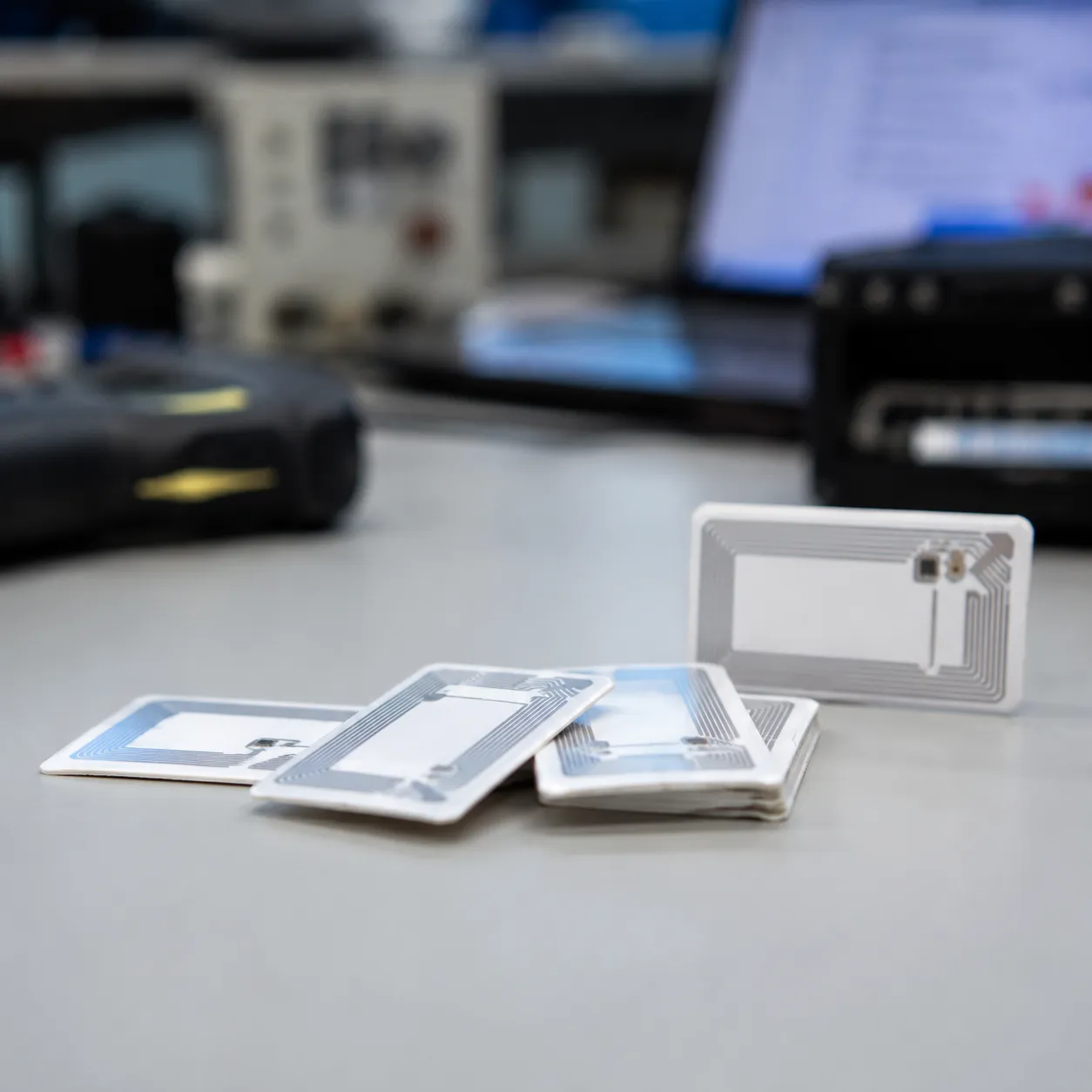
When you look for a high memory uhf rfid tag, choosing the right hardware comes down to balancing data storage with real-world environment physics. We see many operations focus only on uhf rfid tag memory size while ignoring how that extra silicon behaves in the field.
Here are the critical technical performance indicators you need to look at before deploying a passive UHF tag system.
Data Retention and Write Endurance
A high capacity user memory chip relies on robust silicon architecture. Unlike standard chips, large-volume uhf rfid tag data memory requires high-grade EEPROM or high capacity FRAM tags to survive demanding environments.
- Write Endurance Cycles: Standard tags support about 10,000 to 100,000 write cycles. For multi-tier data logging, look for chips like the NXP UCODE 7xm or Impinj Monza X-8K that deliver up to 100,000 cycles minimum.
- Data Retention Capacity: Look for a guaranteed 20-year to 50-year data retention span at high operating temperatures to prevent data corruption.
Read Range vs. Power Consumption
Extra user memory architecture requires more power from the reader's signal to wake up the rfid chip and process data transmissions.
- Energy Consumption: More data bits mean longer transmission times, which can drain the ambient RF energy faster.
- Read Range Optimization: To maintain a long range link, the tag antenna must be highly efficient. Standard chips might achieve a 10-meter read range, but a high-memory equivalent might drop to 6–8 meters under the same power constraint unless the antenna is custom-tuned.
Form Factors and Environmental Adaptability
An asset tracking tag must survive the environment it is placed in. Heavy industrial use cases demand rugged packaging.
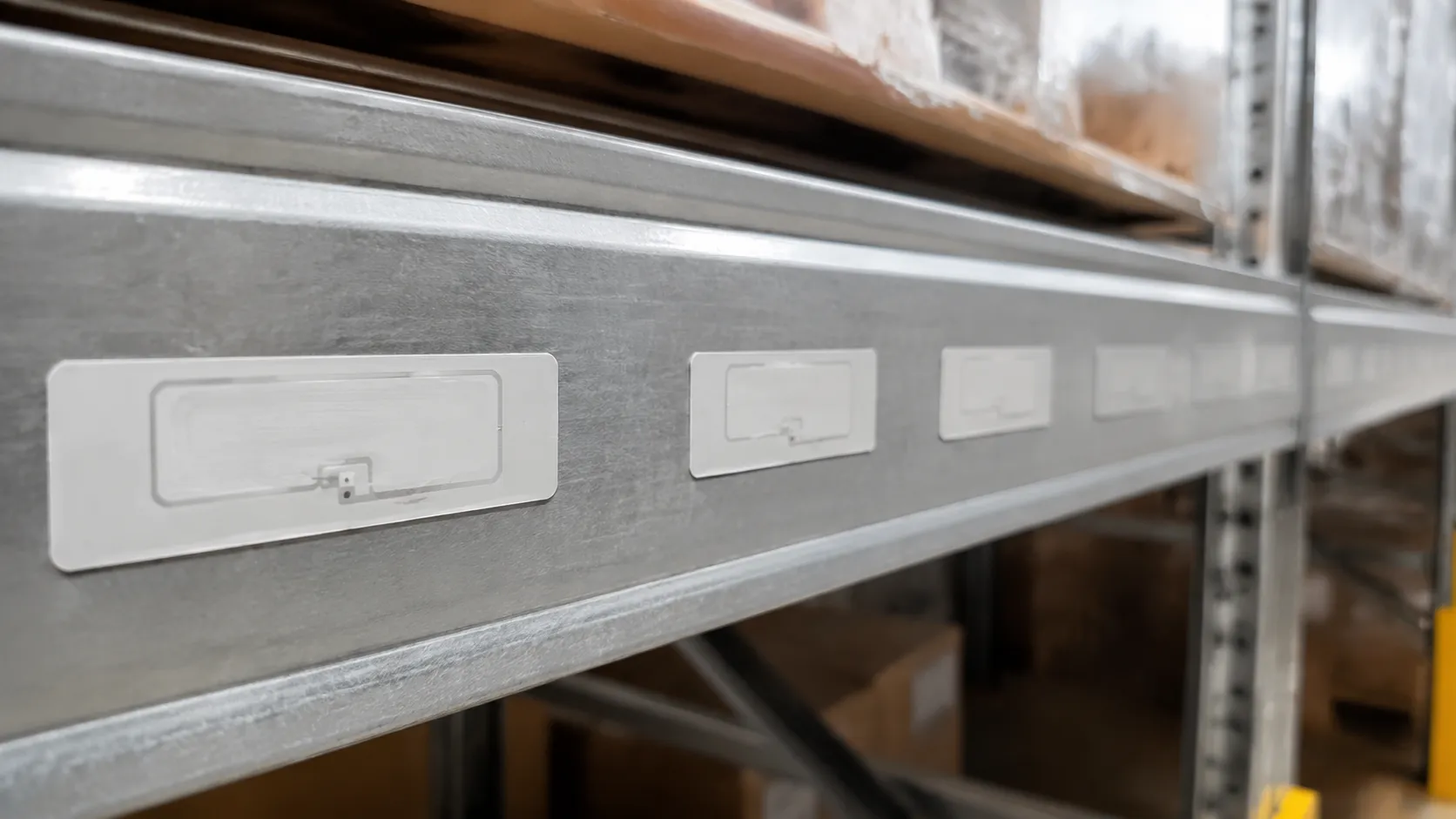
- Industrial On-Metal RFID: Standard tags detune when applied directly to metal surfaces. Specialized encasements isolate the antenna to keep the radio frequency identification link stable.
- Environmental Ratings: For harsh factory floors or logistics yards, look for IP68 or IP69K encasements that resist chemicals, high pressure washes, and extreme heat.
Core Technical Specification Summary
| Feature / Spec | Standard UHF RFID Tag | High Memory UHF RFID Tag | Impact on Performance |
|---|---|---|---|
| EPC Memory | 96 - 128 bits | 128 - 448+ bits | Holds the unique identifier |
| User Memory Size | 0 - 512 bits | 1K - 64K+ bits | Stores local history, logs, and maintenance records |
| Write Endurance | ~10,000 cycles | 100,000+ cycles | Determines the lifespan during heavy data logging |
| Anti-Collision Algorithm Efficiency | Extremely High | Moderate to High | Large data transfers take longer, slightly reducing per-second read counts |
Industrial Applications: When Do You Actually Need High Memory?
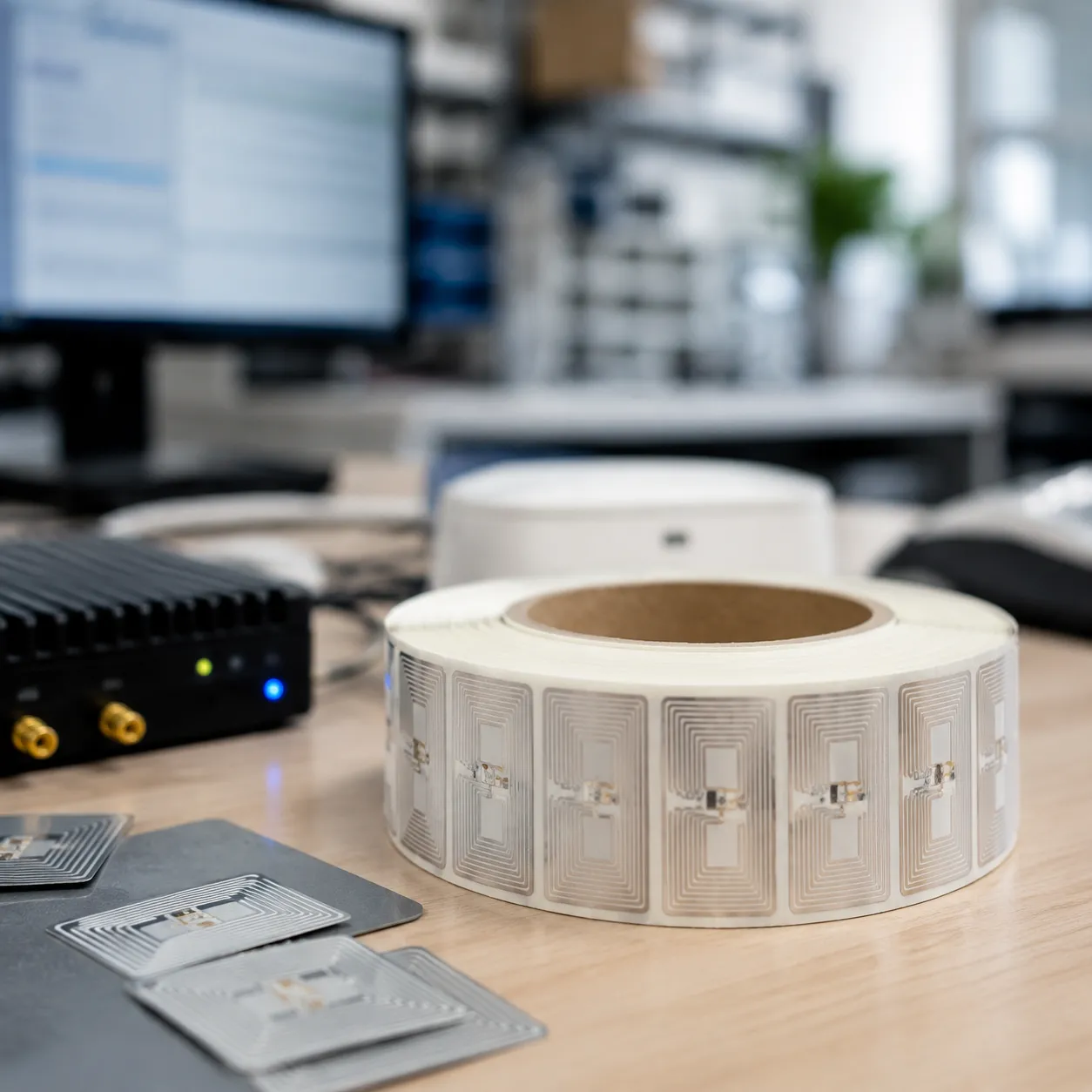
Standard passive tags work great for basic license plate tracking. However, heavy-duty industrial environments require an intelligent high memory uhf rfid tag to log offline history, birth certificates, and maintenance records directly on the asset.
Aerospace and Defense Parts Traceability
In aviation and defense, components must carry their own documentation to comply with strict regulatory mandates. A passive UHF tag equipped with extended user memory stays with the part throughout its multi-decade lifespan. We leverage specialized chips like the Impinj Monza X-8K and NXP UCODE 7xm to store critical data points locally:
- Original manufacturing birth certificates and birth dates
- Material composition and compliance certifications
- Full installation history and structural repair logs
Preventative Maintenance & Equipment Field Logs
For remote oil rigs, power grids, and heavy machinery, technicians cannot always rely on cloud connectivity. Utilizing a high-capacity asset tracking tag turns physical equipment into a local database.
- Offline Data Logging: Technicians read and update write endurance cycles directly on the rfid chip in the field.
- Digital Logs: Store inspection dates, component wear status, and technician IDs without needing an immediate network connection.
- Rugged Reliability: Our industrial on-metal RFID tags protect this data in the harshest environments.
Cold Chain Logistics & Smart Warehousing
Managing sensitive food, pharmaceuticals, and high-value inventory requires deep visibility during transit. Standard epc memory is too restrictive for this level of detail. High-capacity uhf rfid tag data memory enables multi-tier data logging across complex supply chains.
| Industry Need | Standard Memory Limitations | High Memory UHF RFID Tag Benefit |
|---|---|---|
| Temperature tracking | Only records current presence/absence | Logs time-temperature sensor data points over time |
| Cross-docking logistics | Requires continuous cloud database lookup | Stores full manifest lists directly on the shipping pallet |
| Inventory management | Tracks serial numbers only | Stores expiration dates, batch numbers, and country of origin |

High Memory UHF RFID Tag: OEM/ODM Factory Solutions
Managing complex asset tracking requires hardware that fits your workflow perfectly. We combine advanced manufacturing with rigorous testing to ensure your high memory uhf rfid tag investment yields maximum ROI.
Advanced Factory-Direct Production Arrays
Our facility utilizes high-speed automated bonding and converting machinery to manufacture passive UHF tag solutions at scale. By controlling the entire production line, we guarantee stable pricing, rapid turnaround times, and consistent build quality for heavy-duty industrial on-metal RFID projects.
100% Pre-Shipment Functional Verification
Every single uhf rfid tag memory chip undergoes strict electronic testing before leaving our facility.
| Verification Phase | Testing Parameter | Operational Benefit |
|---|---|---|
| Memory Bank Validation | Complete user memory and EPC memory read/write cycles | Zero dead tags upon arrival |
| RF Tuning Check | Resonance and read range optimization across US frequencies | Consistent long-range performance |
| Physical Durability | Structural integrity and adhesion testing | Reliable deployment in harsh environments |

Tailored Technical Customization
Every enterprise workflow has unique hardware demands. Whether your application requires the massive user memory architecture of an Impinj Monza X-8K or the robust data retention of NXP UCODE 7xm silicon, we customize the form factor to match. From custom antenna etching for specific read ranges to rugged engineering plastics for aerospace and logistics, we design and build the exact tag your data logging demands.
Technical FAQ: High Memory UHF RFID Tag Insights
We have compiled the most frequent questions from our US industrial clients regarding high memory uhf rfid tag deployments.
FAQ Quick Reference
| Question | Core Answer | Technical Impact |
|---|---|---|
| Maximum Memory Size? | Up to 8KB (64K bits) via specialized chips. | Replaces active tags for offline logging. |
| Impact on Read Speed? | Standard EPC reads remain ultra-fast; bulk user data takes longer. | Requires optimized anti-collision algorithm efficiency. |
| Security & Locking? | Full support for permanent locks and passwords. | Protects sensitive user memory against tampering. |
| On-Metal Optimization? | Custom-tuned 3D antennas eliminate detuning. | Maintains long range performance on heavy machinery. |
What is the maximum memory size available in a passive high memory uhf rfid tag?
Standard passive tags usually top out at a 128-bit or 496-bit epc memory. However, a true passive UHF tag designed for heavy data logging can deliver a massive uhf rfid tag data memory capacity up to 8 Kbytes (64K bits).
- EEPROM Chips: Industry standards like the NXP UCODE 7xm or Impinj Monza X-8K deliver up to 2Kbits to 8Kbits of user memory.
- High Capacity FRAM Tags: For extreme environments, Ferroelectric RAM (fram tags) pushes boundaries with faster write speeds and higher write endurance cycles up to 64K bits.
Does storing more data slow down the tag's read speed or anti-collision performance?
It depends entirely on which Gen2 RFID memory banks your reader is querying.
- Inventory Phase: The basic anti-collision algorithm efficiency stays unaffected if you only scan the EPC bank for standard asset tracking. The reader identifies hundreds of tags per second instantly.
- Data Extraction Phase: Pulling large blocks of uhf rfid tag memory requires multiple block-read commands. Reading a full 2Kb to 8Kb user bank takes milliseconds longer than a standard scan, but proper reader configuration minimizes any noticeable latency.
Can high memory user banks be permanently locked or password-protected?
Absolutely. Adhering to the EPCglobal Gen2v2 standard, our chips offer flexible, multi-tier security architecture.
- Per-Bank Locking: You can lock the EPC bank, the User bank, or both independently.
- Password Access: Write-protect sensitive multi-tier data logging records behind a 32-bit Access Password.
- Permanent Lock (Permalock): Block-level locking allows you to permanently freeze factory data (like birth certificates of parts) while keeping the rest of the user memory architecture open for field updates.
How does JN RFID optimize custom tag antennas for on-metal, high-memory deployments?
Placing a high-capacity tag on industrial machinery causes RF detuning, which destroys your read range. We combat this through precision engineering:
- Dielectric Shifting: We embed the rfid chip into specialized ceramic or high-grade engineering plastic housings that isolate the antenna from the metal surface.
- 3D Antenna Tuning: Our team designs custom impedance-matching loops that utilize the metal asset as an extension of the antenna itself.
- Read Range Optimization: This dual-approach ensures that even with a heavy silicon footprint, our industrial on-metal RFID tags maintain an exceptional, reliable long range signal for critical inventory management.