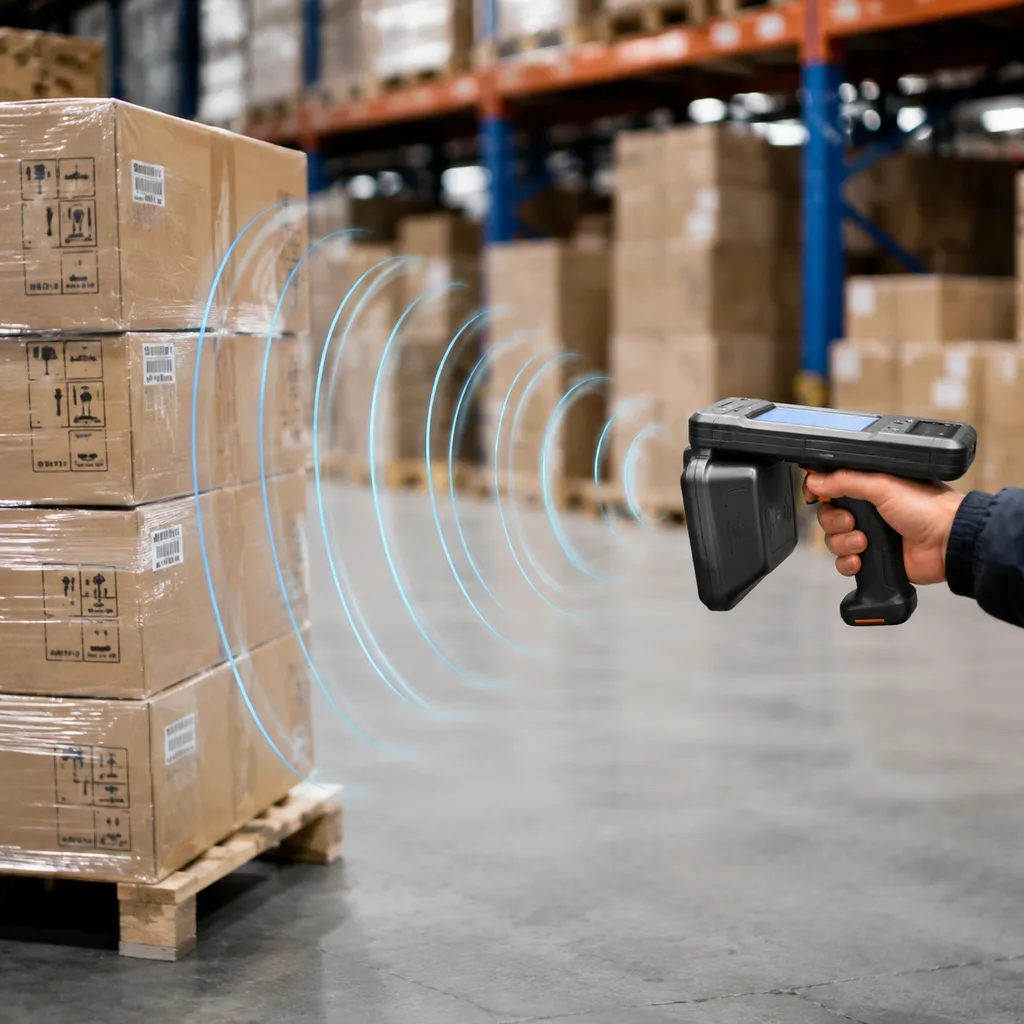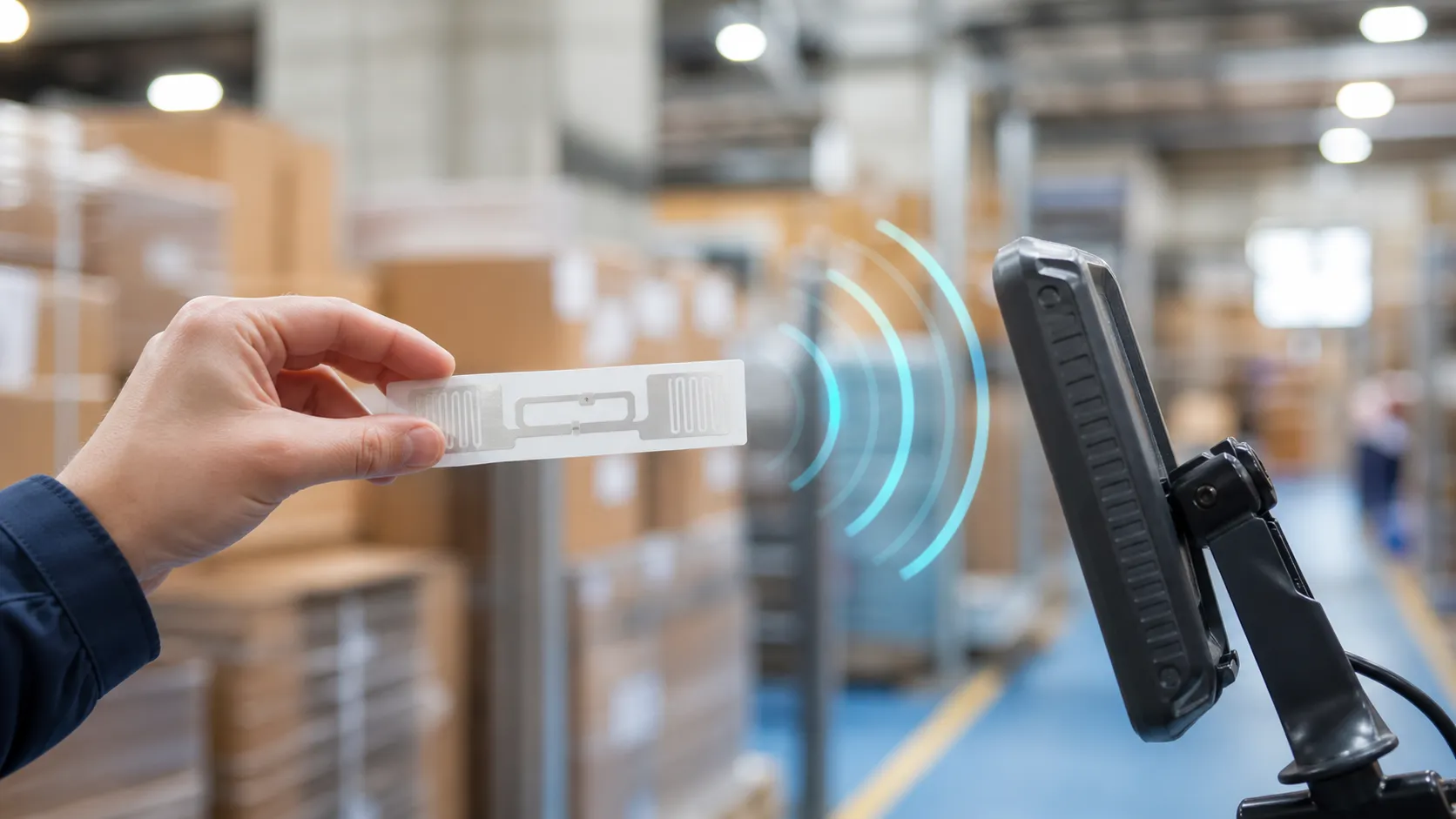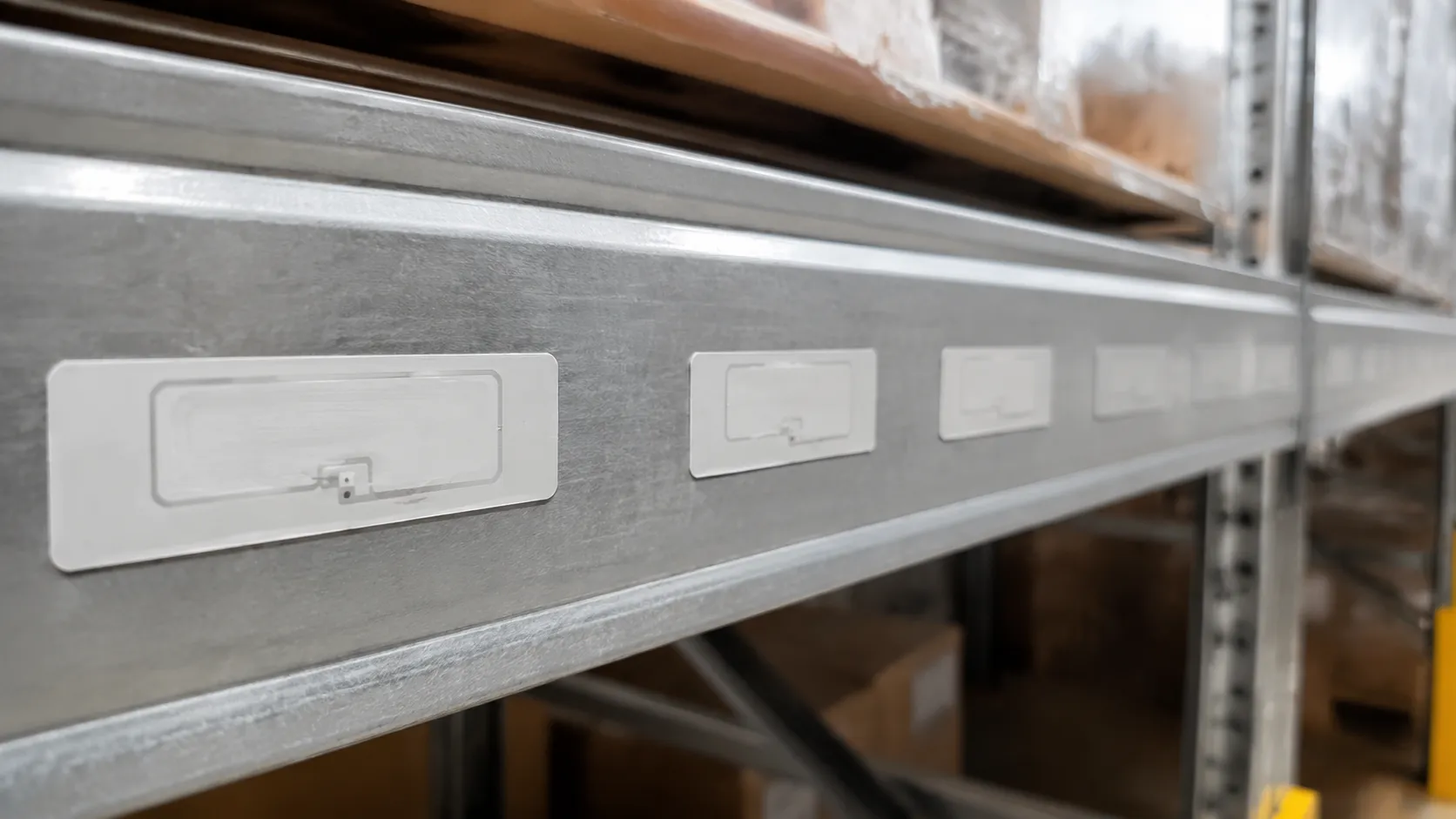
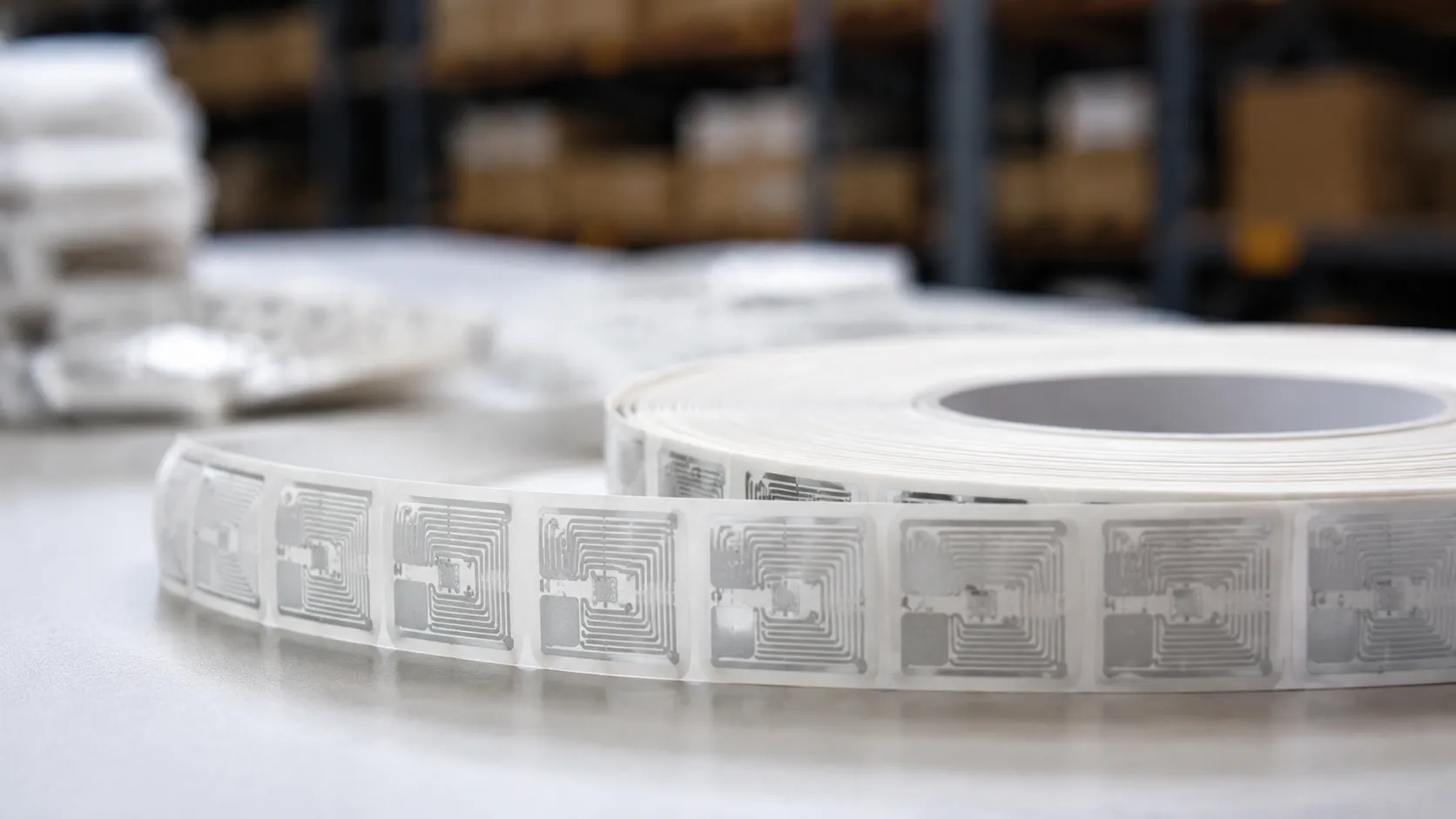
Budgeting a passive UHF rollout starts with per-tag unit cost—not reader quotes alone. The passive uhf rfid tag cost per tag you pay depends on form factor, order volume, and whether assets need on-metal engineering.
| Tag format | Typical range (USD) | Primary use |
|---|---|---|
| Standard dry inlay | \$0.04 – \$0.08 | Apparel, testing |
| Wet inlay / smart label | \$0.06 – \$0.15 | Boxes, logistics, retail inventory |
| On-metal / hard tag | \$0.50 – \$2.00+ | IT assets, industrial equipment |
Tag-only figures exclude printers, middleware, and fixed readers—later sections cover volume tiers, hidden setup fees, and matching labels to your application.
How Much Do Passive UHF RFID Tags Actually Cost?
When businesses look to upgrade from barcodes to asset tracking, the first question is always about the bottom line: what is the actual passive UHF RFID tag cost? We see companies constantly balancing performance needs against their budget. The good news is that passive UHF technology offers the lowest cost per unit of any advanced tracking system.
Here is the straightforward breakdown of what you can expect to pay on the current market.[1]
Average Per-Tag Pricing Breakdown
The price of a passive RFID label price depends entirely on its form factor and physical protection. Standard printable RFID stickers are highly economical, while ruggedized tags command a premium.
| Tag Type | Average Price Range (USD) | Primary Use Case |
|---|---|---|
| Standard Dry Inlay | \$0.04 – \$0.08 | Research, testing, apparel manufacturing |
| Standard Wet Inlay / Smart Label | \$0.06 – \$0.15 | Box labeling, logistics, retail inventory |
| Printable RFID Stickers (Paper/PET) | \$0.08 – \$0.25 | On-demand warehouse asset tracking |
| On-Metal RFID Tag / Hard Tag | \$0.50 – \$2.00+ | Industrial equipment, IT assets, outdoor tools |
Bulk Ordering vs. Low-Volume Purchasing
Your order volume is the single largest variable dictating your smart labels price per unit. Because manufacturing setup times for EPC Gen 2 tags are intense[2], buying in small quantities carries a heavy price penalty.
- Low-Volume Purchases (Under 10,000 units): Expect to pay peak retail pricing. A standard UHF RFID inlay cost might sit around \$0.15 to \$0.30 per tag because of vendor handling fees.
- Bulk Orders Wholesale (100,000+ units): This is where true volume pricing kicks in. High-volume manufacturing drops the cost of standard wet inlays down to the \$0.05 to \$0.08 range, maximizing your return on investment.

Why UHF Tags Cost Less Than HF or Active RFID
If you are comparing technologies, passive Ultra-High Frequency (UHF) systems consistently beat out High Frequency (HF) and active RFID on component economics.
- No Internal Batteries: Unlike active tags that require an onboard power source (driving costs to \$5.00–\$50.00+ per tag)[1], passive UHF tags harvest energy directly from the RFID reader and antenna cost infrastructure.
- Simplified Manufacturing: The structural design of a UHF antenna is simpler to etch than the complex, multi-turn copper coils required by low frequency tags and standard HF tags.
- Silicon Scalability: The mass global adoption of global supply chain standards allows factories to produce billions of UHF chips annually, driving down raw material costs to a fraction of a cent per chip.
Key Factors That Drive Passive UHF RFID Tag Prices
When you are budgeting for a deployment, you will quickly find that passive UHF RFID tag cost isn't fixed. The final price tag depends heavily on how the tag is built, what it’s made of, and how much memory it carries.
We break down the major cost drivers below to show you exactly what you are paying for.
Inlay Type: Dry Inlay vs. Wet Inlay Costs
The core of any RFID tag is the inlay (the chip and antenna attached to a substrate). How that inlay is delivered changes the price:
- Dry Inlays: This is just the chip and antenna on a plastic web, with no adhesive. It is the cheapest option, usually costing just a few cents, but you can't stick it directly onto an item.
- Wet Inlays: These are UHF RFID inlay units with an adhesive backing added. They are ready to be converted into printable RFID stickers or smart labels, making them slightly more expensive than dry inlays due to the extra manufacturing steps and material.
Tag Packaging and Durability
The environment your tags will face dictates the outer packaging, which heavily impacts the final passive RFID label price.
- Paper Labels: Standard paper rfid labels are cheap, lightweight, and perfect for basic box tracking and retail inventory.
- Hard Tags: If you need RFID asset tracking tags for outdoor equipment, industrial tools, or returnable plastic crates, you need a ruggedized plastic shell. These heavy-duty tags cost significantly more than standard paper stickers because they are built to withstand shocks, chemicals, and extreme weather.
Antenna Size and Design Complexity
Antenna design directly affects read range and performance.
- Standard Designs: Standard-sized, mass-produced antennas are highly optimized for price and readily available for bulk RFID tags wholesale ordering.
- Specialized Antennas: Smaller tags require more complex, tightly wound antennas to maintain a solid read range. Additionally, standard tags fail on metal surfaces. To fix this, specialized metal mount tags use built-in spacers or unique antenna physics. Because of this specialized engineering, on-metal RFID tag pricing is always higher than standard labels.
Memory Configuration and Chip Type
The silicon chip inside the tag plays a massive role in the final bill. Chips are certified under EPC Gen 2 tags standards[2], but memory limits vary:
- EPC Memory: Standard tags prioritize Electronic Product Code (EPC) memory, which holds a simple ID number. These are the most budget-friendly chips.
- User Memory: If you need the tag to store extra offline data—like maintenance logs or manufacture dates—you need expanded User Memory. More memory on the silicon wafer drives up the component cost, increasing your per-unit price.
Passive UHF RFID Tag Cost: Implementation & Setup Fees
When planning your budget, the passive uhf rfid tag cost is only one piece of the puzzle. Overlooking the infrastructure needed to deploy those tags is a common pitfall. To keep your deployment on track, we always advise looking at the total hardware and software ecosystem.
Beyond the Tag: Additional Deployment Expenses
- RFID Printer and Encoder Requirements: You cannot use standard thermal printers for printable RFID stickers. You will need dedicated RFID printers to encode the EPC Gen 2 tags while printing your visual barcodes.
- Software Integration and Middleware Licenses: Raw tag data is useless without a way to process it. Budgeting for software platforms, like Tagmatiks or custom middleware, is essential to sync your new hardware with existing ERP or inventory systems.
- Pre-Printing and Custom Barcode Encoding Fees: If you lack the in-house hardware deployment capabilities, sourcing pre-printed and pre-encoded smart labels from a supplier adds a service premium to your initial smart labels price per unit.
Hidden Costs Breakdown
| Expense Category | What You Are Paying For | Estimated Cost Impact |
|---|---|---|
| RFID Printers | Industrial or desktop encoders for rfid labels | Medium to High (Upfront) |
| Middleware & Software | Data filtering, system integration, and asset tracking logic | Ongoing Subscription or License |
| Custom Encoding Services | Factory-programmed bulk orders to skip in-house printing | Per-unit premium on passive RFID label price |

Passive UHF RFID Tag Cost: Choosing by Application
Finding the right balance between passive uhf rfid tag cost and performance comes down to smart sourcing and clear application mapping. You do not need to overpay for premium ruggedized tags if standard printable RFID stickers can do the job.
Match Tag Specs to Your Application
Different environments require different smart labels or tags. Before placing bulk orders, map your environment to the correct tag type to avoid wasting budget.
| Application | Recommended Tag Type | Material / Surface | Cost Impact |
|---|---|---|---|
| Corrugated Boxes & Pallets | Standard RFID labels / Dry inlays | Cardboard / Plastic | Lowest cost |
| IT Asset Tracking | Metal mount tags | Server racks / Laptops | Higher cost |
| Apparel & Retail | Hang tags / Wet inlay tags | Fabric / Paper | Low to moderate |
| Outdoor / Industrial Logistics | Hard shell RFID asset tracking tags | Metal / Wood / Concrete | Premium cost |

Test Cheaper Alternatives First
Never assume you need the most expensive option to get a solid read range.
- Start with standard inlays: Test basic UHF RFID inlay cost options on your assets first. If a basic 5-cent inlay meets your read range requirements during testing, there is no need to upgrade to a more expensive form factor.
- Optimize reader power: Sometimes adjusting your RFID reader and antenna cost and settings can compensate for a cheaper, smaller tag design.
- Sample testing: Request sample packs of various EPC Gen 2 tags from us to run real-world field tests before committing capital.
Negotiate Better Volume Pricing
We know how much volume drives down unit costs.
- Leverage bulk RFID tags wholesale pricing: The jump from 1,000 units to 10,000 units can cut your per-tag cost in half.
- Consolidate your tag designs: Instead of buying five different custom smart labels price per unit options for five different assets, try to standardize on one or two tag models to maximize your volume pricing discounts.
- Forecast your annual usage: Share your long-term system implementation and hardware deployment roadmap with us. Blanket purchase orders with scheduled deliveries unlock the lowest possible passive rfid label price.
FAQs About Passive UHF RFID Tag Costs
What is the absolute cheapest passive UHF RFID tag available?
The absolute cheapest option is a standard passive RFID label price leader: the dry inlay. When buying bulk RFID tags wholesale, a basic dry inlay can cost as little as $0.04 to $0.06 per unit. If you need it in a user-friendly format, printable RFID stickers (wet inlays or paper labels) usually run between $0.08 and $0.15 per unit for large bulk orders.
Do RFID tags require monthly or subscription fees?
No. Passive UHF RFID tags are a one-time hardware expense. They do not have batteries and do not require ongoing subscription fees to stay active. Any recurring costs you encounter will come from your asset tracking software or cloud platform, not the physical tags themselves.
Why are on-metal UHF tags so much more expensive?
Standard UHF tags lose their ability to transmit data when applied directly to metal surfaces because the metal detunes the antenna. To solve this, on-metal RFID tag pricing includes specialized engineering, such as a built-in foam spacer or a rugged plastic housing. Because of these advanced materials and manufacturing steps, metal mount tags typically cost anywhere from $0.50 to $2.00+ per tag.[1]
How much does a complete UHF RFID system cost to set up?
The total system implementation cost depends heavily on your scale, but a basic entry-level setup generally breaks down like this:
| Component | Estimated Cost (USD) |
|---|---|
| Passive UHF RFID Tags | $0.08 - $0.15 per label |
| Handheld RFID Reader | $1,500 - $3,000 per unit |
| Fixed Reader & Antenna Cost | $2,000 - $4,000 per zone |
| Software License (e.g., Tagmatiks) | $50 - $150 per month |
For a small warehouse or localized asset tracking project, initial hardware deployment and software integration typically start around $4,000 to $6,000.