Overview
Uhf rfid tag for metal containers pairs metal-mount tag tuning with passive uhf rfid silicon so steel totes, drums, and racks stay readable through portal and handheld scans.
- Container profile: Intermodal boxes, chemical totes, IBC tanks, and metal pallets in mixed RTI fleets.
- Surface & environment: Flat walls, curved drums, washdown lines, and outdoor yards needing rugged rfid tags.
- Read target: Gate portals, forklift lanes, and container tracking audits with stable class 1 gen 2 performance.
Factory builds apply specialized tuning and dielectric isolation so conductive walls boost rather than block rain rfid backscatter.
Metal Interference & On-Metal Tuning for Container RFID
Tracking metal assets requires specialized engineering. Standard passive uhf rfid labels fail on bare steel because conductive surfaces reflect radio waves and detune the antenna. Anti-metal rfid designs overcome that signal loss through isolation layers and impedance-matched loops.
Overcoming Metal Interference
When a standard label touches bare metal, the conductive surface detunes antenna impedance and creates destructive wave interference.
- RF Reflection: Metal bounces UHF energy back, cancelling incoming signals from the reader.
- Magnetic Short-Circuiting: Direct metal contact induces eddy currents that drain the microchip of powered RF energy.
- Frequency Shift: Unshielded antennas shift outside the global 860–960 MHz band, creating dead zones and failed scans.
Anti-Metal Isolating Spacers
Peak communication on containers relies on a multi-layer isolation architecture:
- Dielectric Layer: Synthetic ceramic, foam, or pcb encapsulation spacers separate the antenna from the container surface.
- Ground Plane Utilization: Tag housings redirect reflected signals, turning the metal container into an active antenna booster.
- Impedance Matching: Custom circuit loops compensate for close-proximity electromagnetic metal interference.
Read Range Performance Across Metals
Different container materials impact RF propagation. When tuned correctly, an on-metal tags build leverages host metal to extend reads across industrial yards:
| Container Material | Signal Behavior | Expected Read Range |
|---|---|---|
| Carbon & Stainless Steel | Excellent ground plane reflection; maximizes power | Up to 12–15 meters (39–49 ft) |
| Aluminum Alloys | High electrical conductivity; uniform reflection | Up to 10–12 meters (32–39 ft) |
| Galvanized Steel & Iron | Variable impedance based on zinc coating thickness | Up to 8–10 meters (26–32 ft) |
Compare hardened on-metal UHF RFID tags with compact micro UHF custom RFID tags when recess mounts or ultra-thin profiles matter on the same steel fleet.
IP ratings, mounting hardware, and chip memory define which tuned build survives each container workflow.
Key Features for On-Metal Container Tags
Matching uhf rfid tag for metal containers specs to washdown, attachment, and protocol requirements keeps rollouts stable across sites.
Environmental Resistance & IP Ratings
Standard labels fail under heavy washdowns and chemical exposure. Look for IP67/IP68 ratings to protect against fine dust and prolonged moisture. Industrial anti-metal rfid builds withstand:
- Chemical Exposure: Harsh solvents, acids, and industrial degreasers.
- UV & Weathering: Prolonged sunlight without plastic degradation or yellowing.
- Thermal Shock: Rapid temperature changes during steam cleaning or winter outdoor storage.
Secure Mounting Options
Attachment method dictates operational lifespan on on-metal tags deployed for industrial asset tracking:
| Attachment Type | Ideal Application | Key Advantage |
|---|---|---|
| 3M Adhesive RFID Backing | Smooth steel walls, aluminum totes | High-tack peel-and-stick, fast deployment, water-sealed |
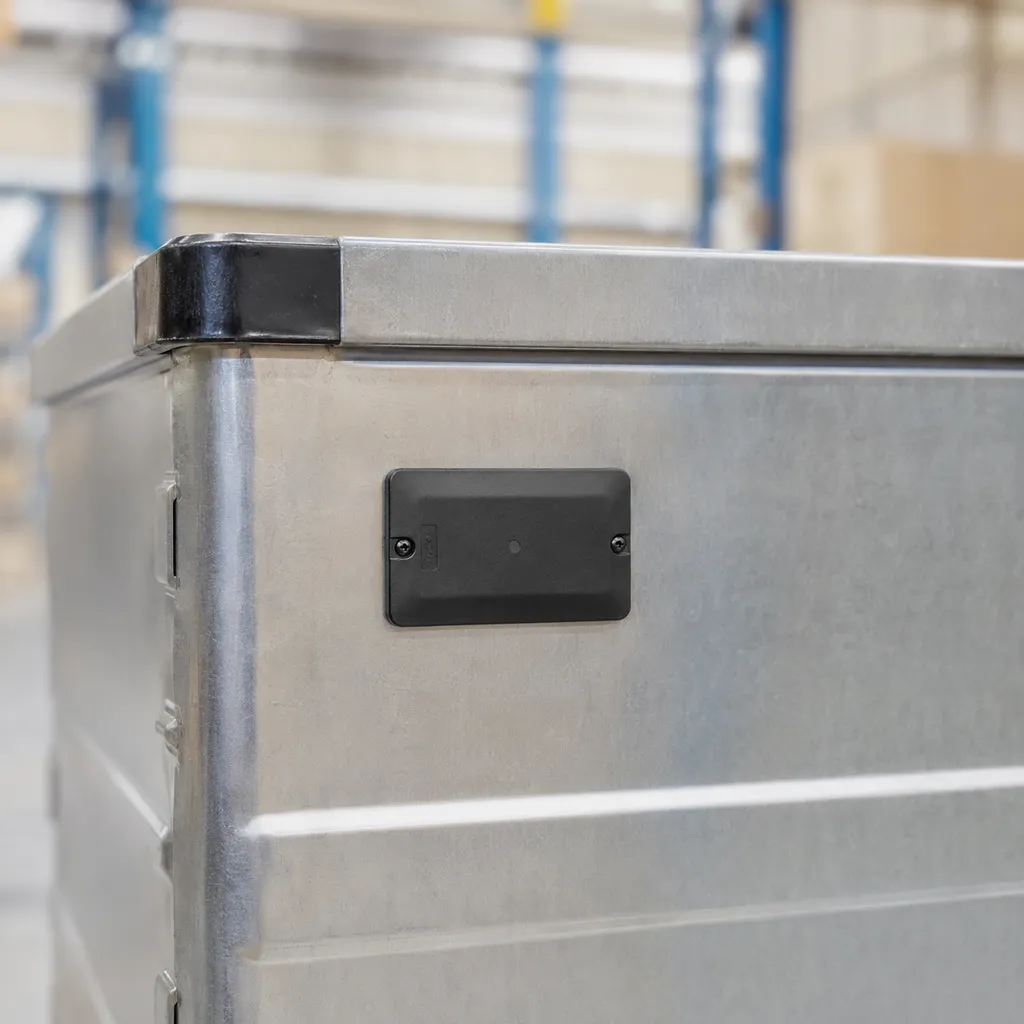
| Rivet / Screw Mounts | Heavy gas cylinders, steel drums | Permanent mechanical hold, maximum shock resistance |
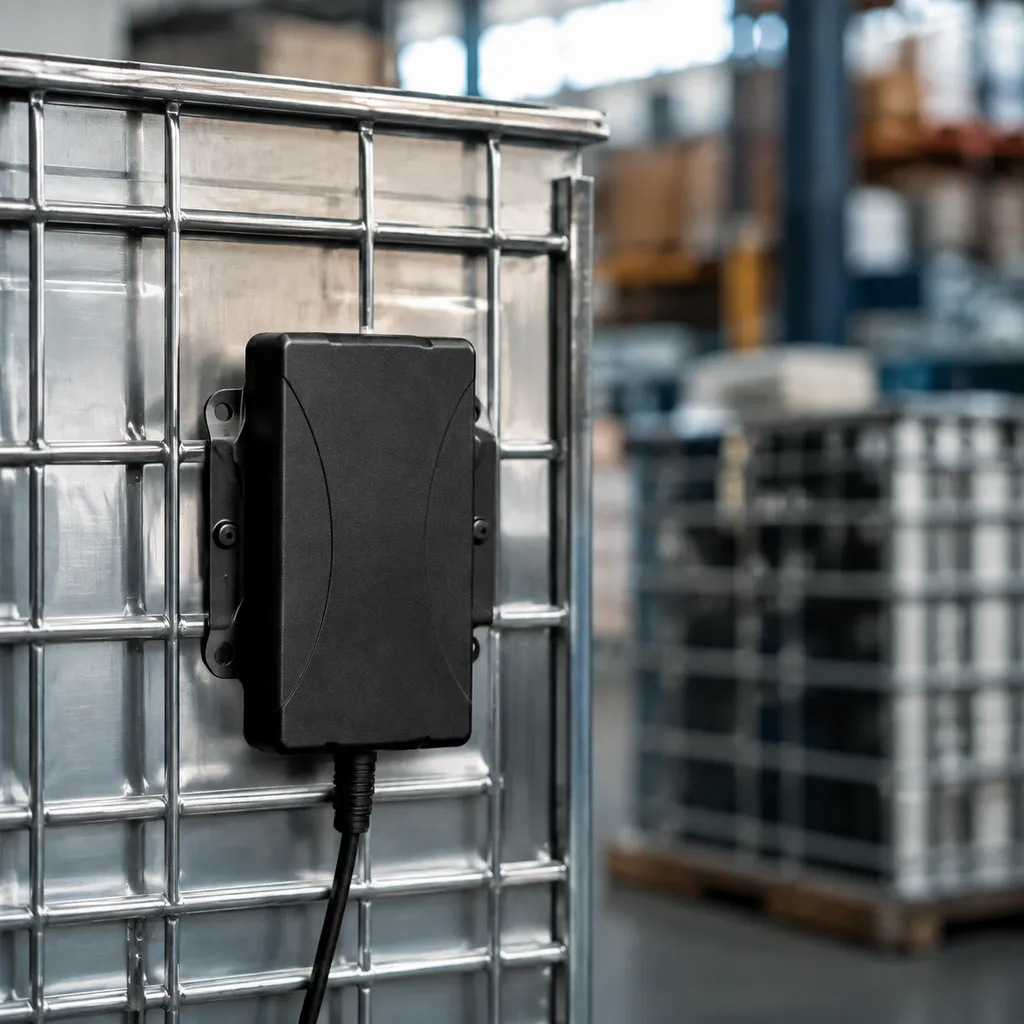
| Magnetic Mounts | Reusable steel racks, temporary bins | Non-destructive, quick repositioning, zero surface damage |
Global Frequency Compatibility (860–960 MHz)
Cross-border supply chains require broad RF tuning across the full 860–960 MHz band. Full compliance with ISO 18000-6C and RAIN RFID (Class 1 Gen 2) protocols supports regional reader infrastructure in the 902–928 MHz and 865–868 MHz plans.
Chip Memory & IC Selection
Select IC silicon based on local data storage needs on each container tag:
- Impinj Monza Series: Industry-leading read sensitivity and rapid encoding—ideal for high-speed portal scans.
- NXP UCODE Series: Extended user memory for maintenance logs, serial numbers, and custom inventory codes.
Form factor and encapsulation style map those electrical specs to real container shapes and abuse levels.
On-Metal Tag Types — Rugged, Flexible & PCB Builds
Specialized on-metal tags cover container shapes, surfaces, and duty cycles. Selecting the right UHF RFID tag for metal containers keeps operational workflows fast and accurate.
Hard Rugged RFID Tags
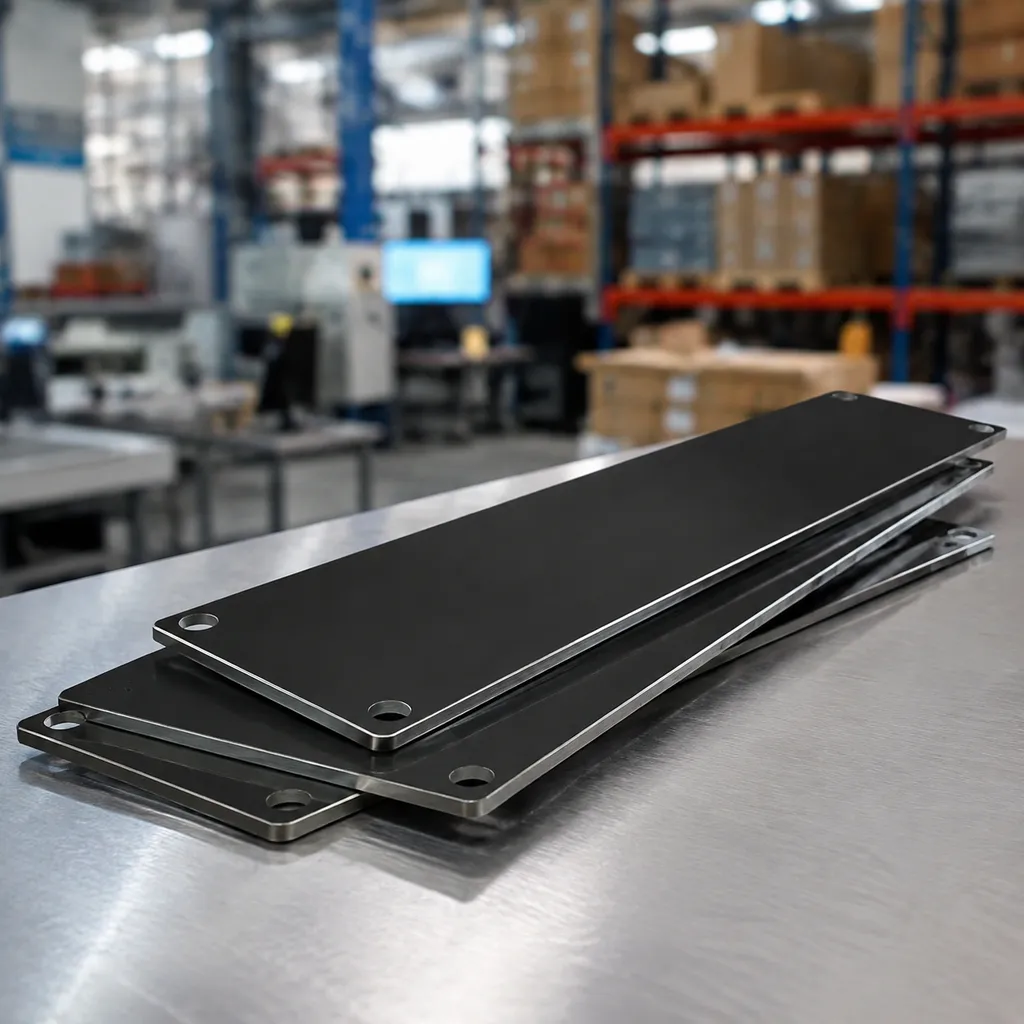
ABS, PEEK, or FR4 pcb encapsulation protects rugged rfid tags from drops, crushing, and harsh outdoor weather.
- Best for: Gas cylinder tracking, heavy industrial chemical drums, and metal pallets.
- Key advantage: Extreme impact resistance for high-abuse environments.
Flexible Metal-Mount Labels
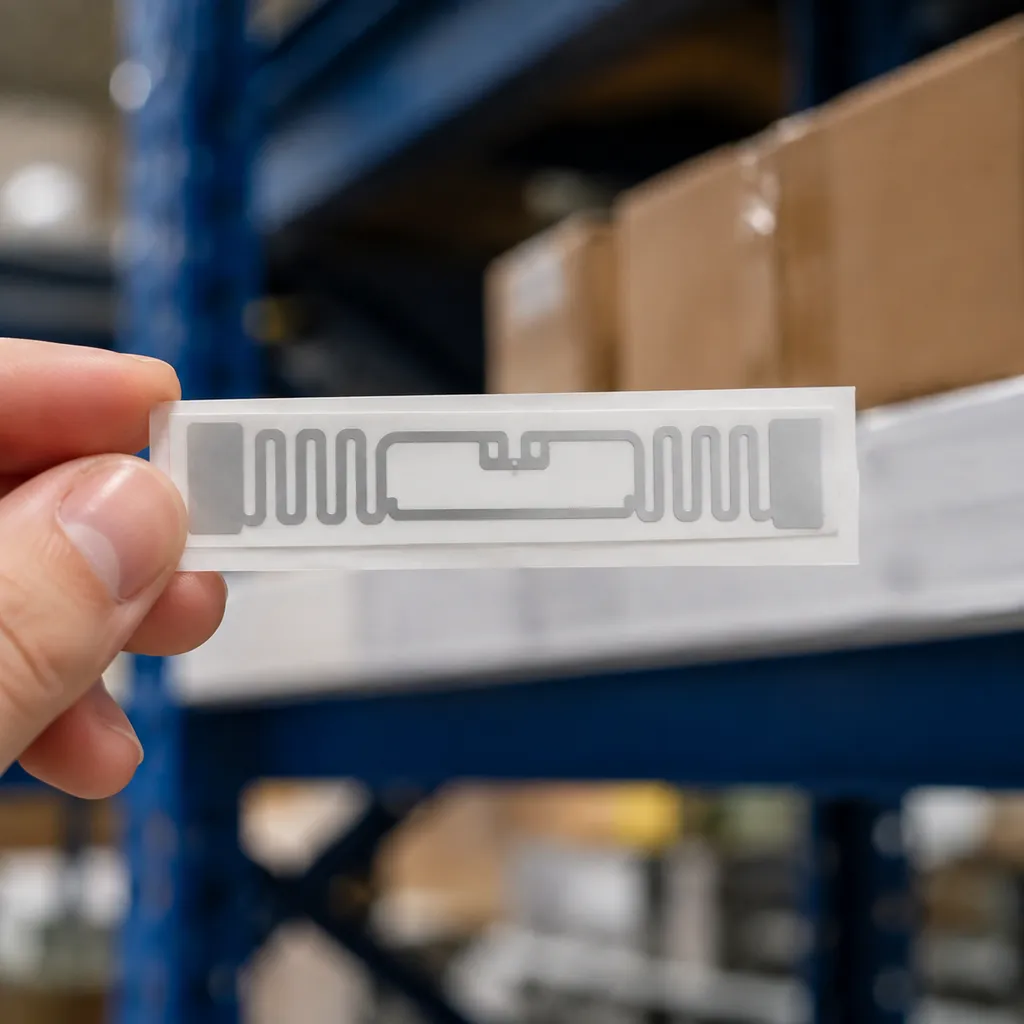
Thin, bendable flexible rfid labels include built-in anti-metal backing. Print barcodes, logos, and human-readable text on standard RFID thermal transfer printers.
- Best for: High-volume asset inventory, metal totes, and curved metal containers.
- Key advantage: Low profile and cost-effective deployment across large RTI fleets.
High Temperature RFID Tags
Heat-tolerant materials survive manufacturing thermal cycles and aggressive caustic washdowns.
- Best for: Industrial autoclave sterilization, paint lines, and hot chemical drum asset management.
- Key advantage: Continuous read reliability in temperatures exceeding 450°F (230°C).
Embeddable Anti-Metal Tags
Compact ceramic or small PCB anti-metal rfid tags sit flush inside pre-drilled recesses or molded walls.
- Best for: Sleek container designs, tool crib tracking, and OEM metal assets.
- Key advantage: Zero outer footprint, preventing tag damage, snagging, or tampering.
Quick Selection Guide
| Tag Style | Main Benefit | Best Application |
|---|---|---|
| Hard Rugged Tag | Maximum impact & outdoor durability | Chemical drums & gas cylinders |
| Flexible Label | Printable, thin & flexible | Metal totes & RTI bins |
| High Temp Tag | Heat & chemical washdown proof | Industrial process totes & paint lines |
| Embeddable Tag | Flush-fit, tamper-resistant | Molded metal containers & custom assets |
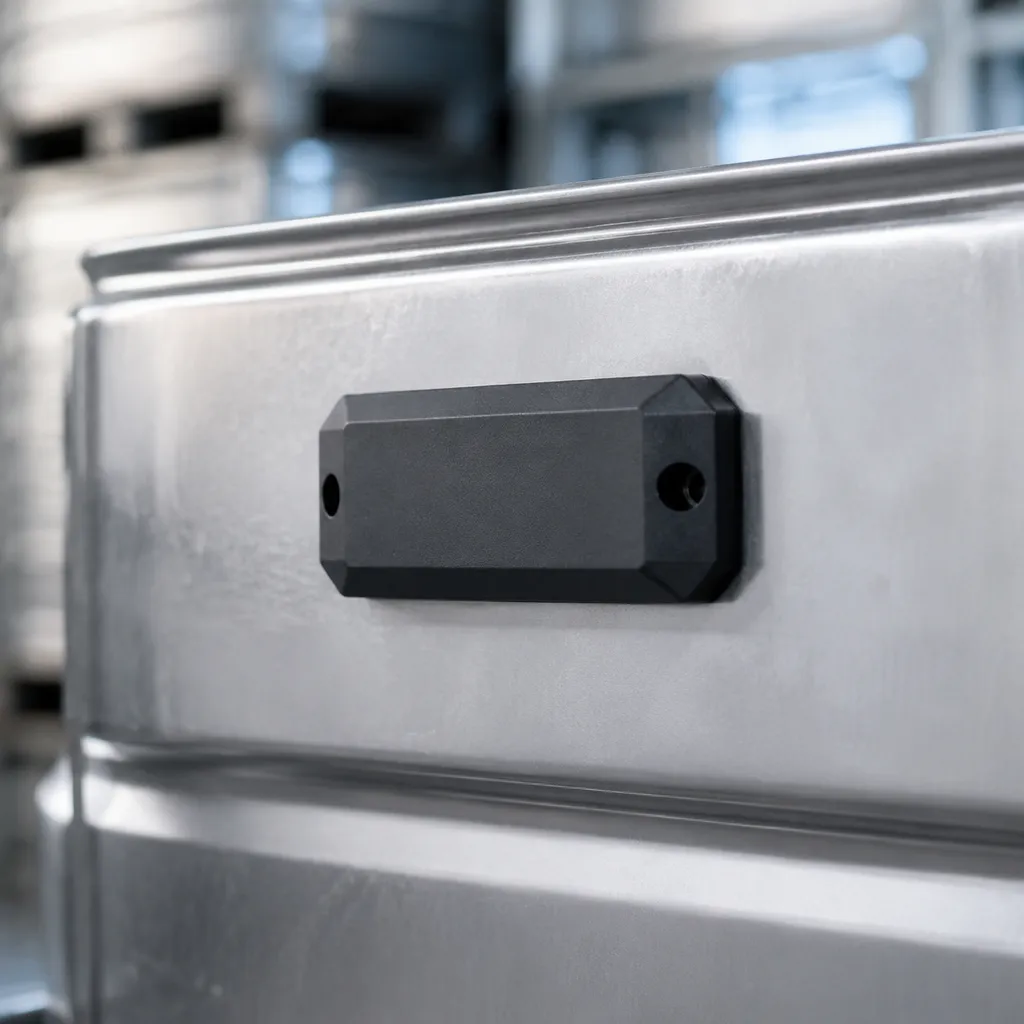
Deployment scenarios show how each form factor performs under real supply-chain traffic.
Industrial Container Tracking Applications
High-performance anti-metal rfid transponders turn reflective steel surfaces into scannable assets across fast-paced logistics networks.
Returnable Transport Items (RTIs) and Rack Management
Lost metal racks, folding containers, and metal pallets drain capital when visibility fails. Mounting on-metal tags automates container tracking across distribution hubs.
- Automated Portal Reads: Scan hundreds of tagged metal racks as delivery trucks pass reader gates.
- Shrinkage Control: Pinpoint location bottlenecks to stop missing container losses.
- Faster Asset Rotation: Keep reusable transport items moving back to suppliers.
Chemical Drum, Tote, and IBC Tank Tracking
Steel drums, totes, and IBCs face intense washdowns, weathering, and chemical exposure.
- Hazardous Material Safety: Scan chemical totes from a safe distance using handheld readers.
- Extreme Washdown Resistance: Rugged rfid tags resist corrosive fluids, UV exposure, and high-pressure washing.
- Digital Maintenance Records: Store fill histories, inspection dates, and re-certification records on-chip.
Intermodal Shipping Container Supply Chain Visibility
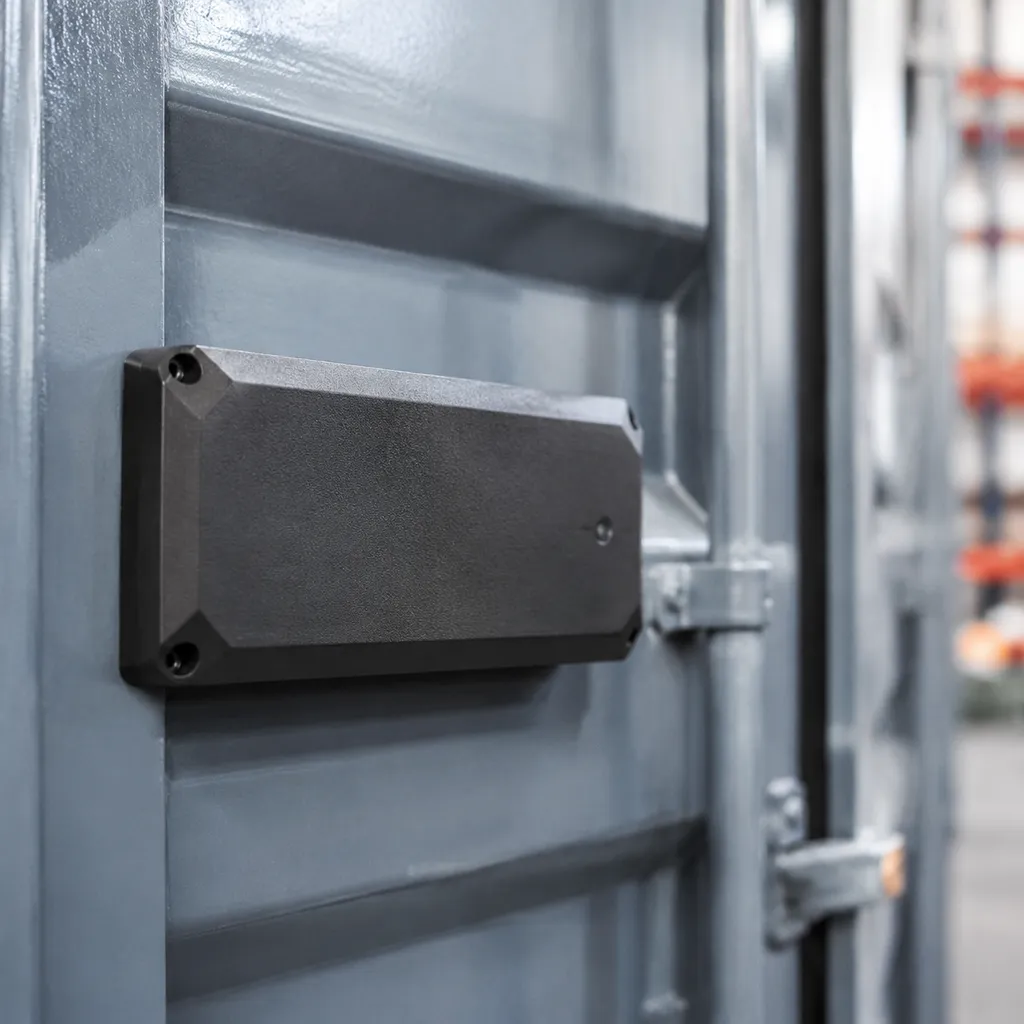
Steel shipping containers move through ocean ports, rail yards, and freight corridors. A tuned uhf rfid tag for metal containers delivers long read range through high-traffic bottlenecks.
| Container Application | Operational Challenge | UHF Anti-Metal RFID Solution |
|---|---|---|
| Ocean Shipping Containers | Saltwater, severe weather, stacked metal interference | Long-range encapsulated tags for automatic port gate check-ins |
| Intermodal Rail Trailers | High-speed gate passes, heavy vibration | Impact-resistant PCB tags for real-time yard management |
Automotive Parts Bin and Tool Crib Tracking
Compact metal-mount tag solutions on parts bins, wire baskets, and tool racks reduce downtime on assembly lines.
- Automated Tool Cribs: Track high-value tools when workers check them in or out.
- Kitting Precision: Ensure correct metal parts bins arrive at manufacturing stations on schedule.
- Kanban Automation: Trigger replenishment when empty bins return to staging areas.
Field placement and reader validation lock in the read zones those applications depend on.
Installation & Read-Range Validation
Maximum performance from a uhf rfid tag for metal containers depends on placement, surface prep, and systematic testing for reliable industrial asset tracking.
Tag Placement on Flat vs. Curved Metal Surfaces
- Flat Metal Surfaces: Place anti-metal rfid tags near the upper third or center of flat containers, clear of heavy weld seams and structural ribs.
- Curved Containers: On drums, totes, or gas cylinders, install flexible on-metal tags vertically along the curve to reduce edge lifting.
Surface Prep for Maximum Adhesive Longevity
- Clean Thoroughly: Wipe attachment areas with isopropyl alcohol or fast-evaporating degreaser.
- Dry Completely: Ensure metal is dry before application—trapped moisture ruins adhesive bonds.
- Apply Pressure: Press adhesive-backed tags firmly for 5 to 10 seconds; full bond strength builds over 24 to 72 hours.
Review minimum spacing for UHF RFID tags on metal when multiple labels share one wall or stacked racks create dense RF fields.
Validating Read Ranges with Handheld and Portal Readers
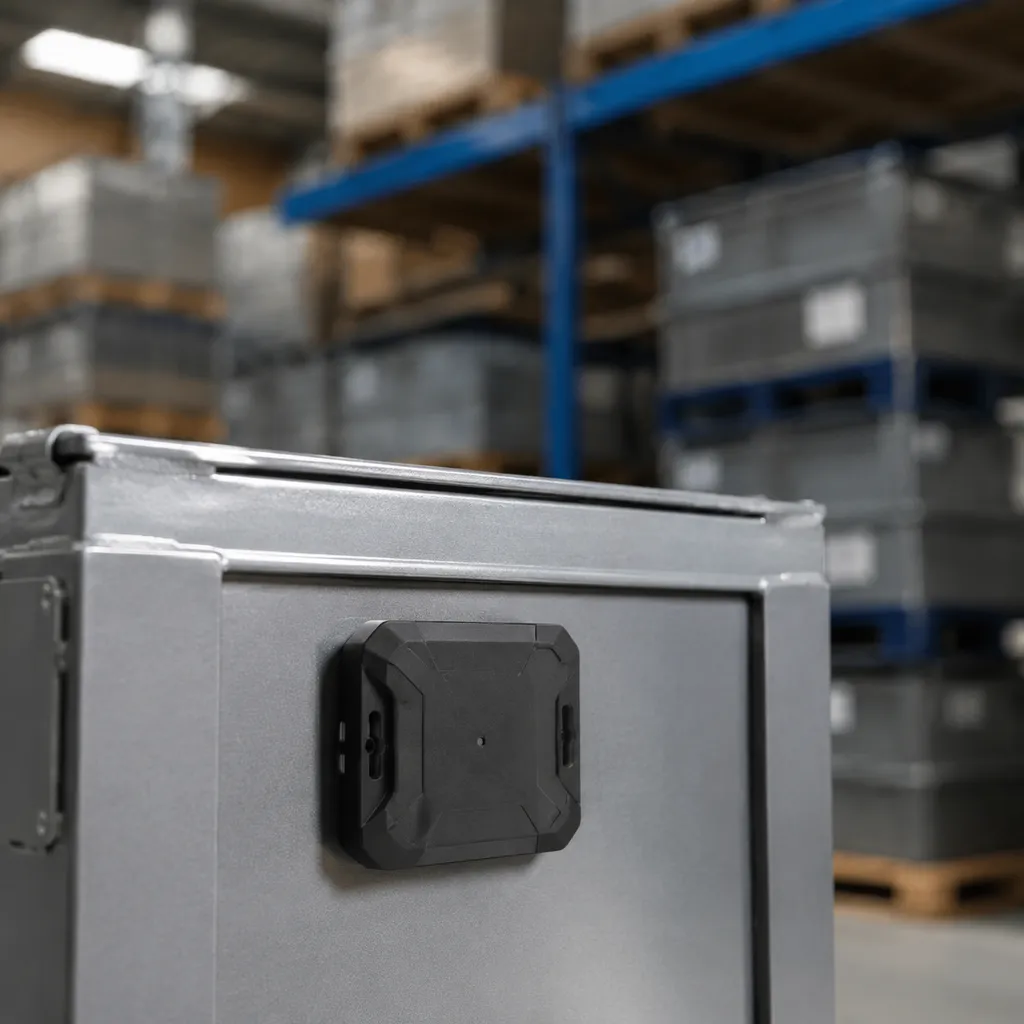
- Handheld Audits: Walk the layout with handheld readers at varied distances, heights, and angles to establish baseline read ranges.
- Portal Testing: Move tagged containers through dock door portals at normal operating speeds.
- Fine-Tuning: Adjust reader power and antenna polarization to reduce dead zones from surrounding metal interference.
FAQs: UHF RFID Tag for Metal Containers
Why Standard RFID Fails on Metal
Standard passive UHF labels rely on air space to resonate. Bare metal reflects RF signals and detunes the antenna, creating electromagnetic metal interference that short-circuits reads. Each anti-metal rfid build uses dielectric spacers or tuned loops so underlying metal aids radiation instead of blocking it.
Read Range Performance
Read distance varies with tag size, reader power, and environment:
- Flexible metal-mount labels: Typically 3 to 10 feet (1 to 3 meters).
- Mid-sized hard tags: Reach 10 to 25 feet (3 to 8 meters).
- Rugged high-gain tags: Up to 30 to 50+ feet (9 to 15+ meters) on large steel containers.
Custom Printing on Flexible Metal-Mount Labels
Flexible rfid labels support thermal transfer printing on Zebra, SATO, and Printronix RFID printers. Print 1D/2D barcodes, asset numbers, QR codes, and logos before encoding and deployment.
Outdoor Durability and Tag Lifespan
Rugged rfid tags often last 7 to 10+ years outdoors. Rigid pcb encapsulation or ABS shells with IP68 ratings resist UV, chemicals, salt spray, washdowns, and temperatures from -40°F to over 200°F.
Request a Quote
B2B teams comparing on metal uhf rfid tag price bands should share container material, tag style, annual volume, and regional frequency plan.
| Procurement item | Typical factory terms |
|---|---|
| MOQ | From 500 pcs for standard flexible rfid labels; lower for pilot kits on request |
| Sample kits | Mixed on-metal tags for read-range proof on your steel surfaces |
| Quote turnaround | Itemized on metal uhf rfid tag price breakdown within 1–2 business days |
Send container photos, reader model, and mounting constraints for configured uhf rfid tag for metal containers builds.
Contact JN RFID with EPC encoding needs and target read zones for factory pricing.