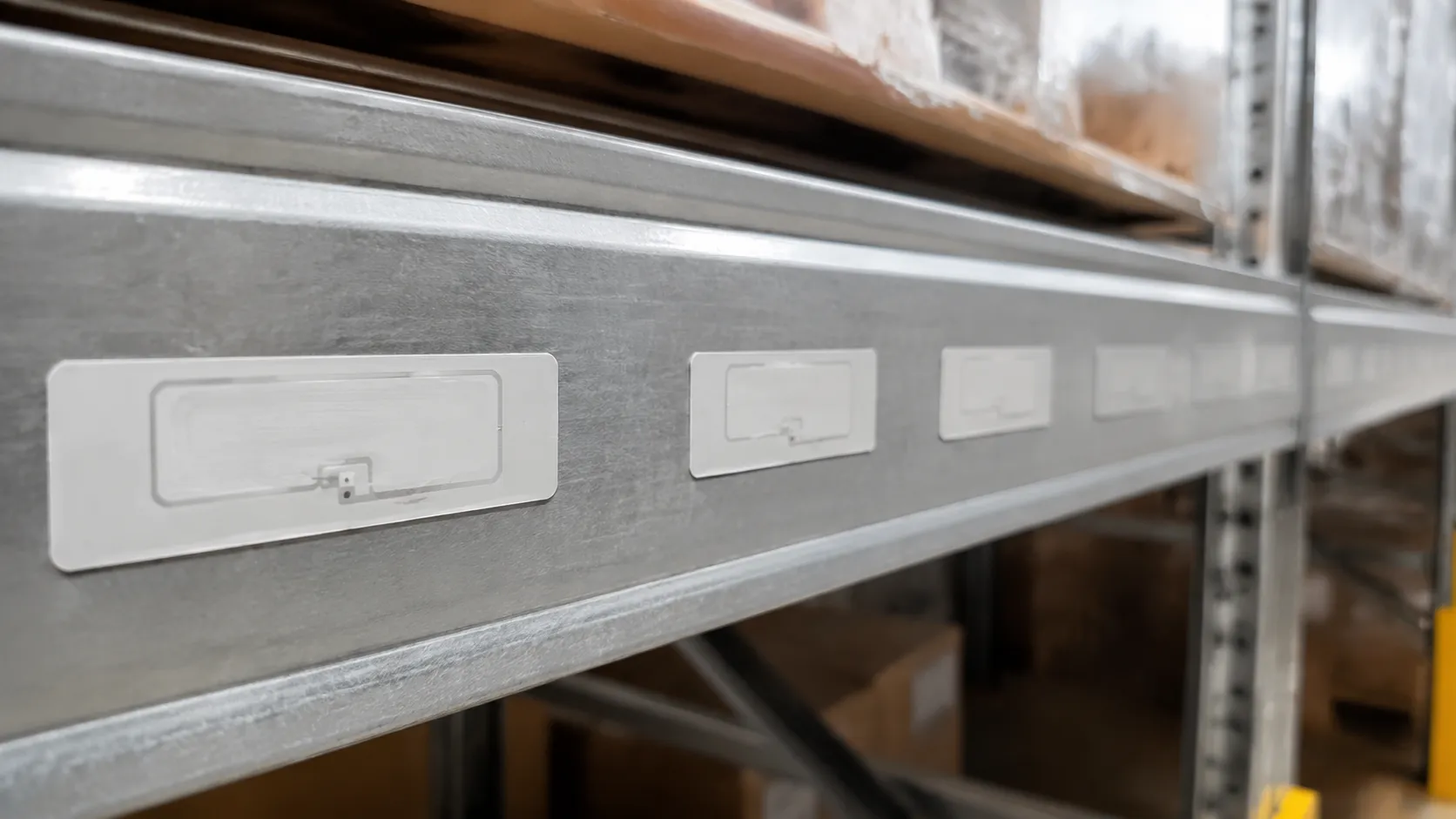

How do you install UHF RFID tags so they read reliably every time? Correct installing UHF RFID tags starts with surface prep, tag format selection (labels, on-metal RFID tags, hard tags), and read-zone alignment—not just peel-and-stick. This guide covers planning, mounting methods for metal, glass, textiles, and packaging, placement best practices, pilot testing, common mistakes, and long-term durability for industrial RFID asset tracking.
What You Need to Know Before Installing UHF RFID Tags
Getting the maximum read range out of your asset tracking system requires strategy. Choosing a high-quality passive UHF RFID tag is only half the battle; how and where you mount it determines whether your project succeeds or fails. If you jump straight into tagging assets without a clear plan, you will likely face missed reads, signal interference, and dropped data.
Why Installation Planning Matters
An RFID chip and its attached antenna form a sensitive ecosystem. UHF RFID tag installation is never a one-size-fits-all process. If the physical environment or the asset material fights against the radio waves, your tracking system will suffer. Planning the physical deployment upfront prevents costly tag replacement cycles later.
How Different Materials Affect RFID Performance
Radio frequency signals interact differently with every material. Standard passive tags struggle on surfaces that absorb or reflect RF energy.
- Metal Surfaces: Standard labels detune completely on metal, rendering them unreadable. You must use specialized on-metal RFID tags for these assets.
- Liquids: Water and other liquids absorb UHF energy. Tags placed directly against liquid containers require specific spatial separation or specialized designs.
- Plastics and Cardboard: These are generally RF-friendly materials, allowing for standard UHF RFID label tags and maximum read rates.
- Glass and Fabric: Glass can slightly detune antennas, while fabrics require flexible, durable carriers that survive bending and washing.
Hardware and Read Zone Integration
Tag performance depends heavily on your rfid readers and RFID antenna positioning. You must design the read zone so that the antenna's polarization aligns with the tag's orientation.
| Factor | Impact on System | Best Practice |
|---|---|---|
| Reader Power | Determines total signal reach | Adjust to match the specific zone boundaries. |
| Antenna Position | Avoids blind spots in the read zone | Mount antennas at angles that account for tag movement. |
| Proximity | Prevents cross-talk or missing tags | Keep tags spaced properly to avoid mutual shielding. |
The Necessity of an RFID Site Survey
Never skip an RFID site survey before a mass deployment. Running a pilot test in your actual facility allows us to identify environmental interference sources like heavy machinery, metal racking, or competing wireless networks. Mapping out these variables beforehand ensures your full-scale rollout delivers reliable, automated data collection from day one.
Choosing the Right UHF RFID Tag
Before installing uhf rfid tags, you have to pick the right format for your specific assets. Using the wrong tag type guarantees poor RFID read range or total signal loss.
Labels vs. On-Metal Tags
Standard UHF RFID label tags work great on plastic, cardboard, and wood. However, if you stick them directly onto metal surfaces, the metal detunes the antenna, completely killing the signal. For machinery, IT assets, or steel containers, you must use specialized on-metal RFID tags designed with a built-in spacer to protect the rfid chip from interference.
Wet Inlays, Dry Inlays, and Hard Tags
| Tag Type | What It Is | Best Use Case |
|---|---|---|
| Dry Inlays | Rfid chip and antenna on a clear carrier film, no adhesive. | Manufacturing integration or converting into custom labels. |
| Wet Inlays | Clear inlay with a peel-and-stick RFID tag adhesive backing. | Corrugated boxes, logistics, and retail tracking. |
| Hard Tags | Encapsulated industrial RFID tags with rugged polymer housings. | Outdoor RFID asset tracking, heavy equipment, and uniforms. |
Match the Tag to the Environment
We design and manufacture our tags to survive real-world conditions, meaning you must match the tag to your physical workspace. For indoor warehouse tracking, standard passive tags or wet inlays do the job perfectly. For outdoor deployment, high-heat exposure, or chemical washing, choosing ruggedized mounting housings prevents premature field failures and ensures consistent proximity reads.
Prepare the Surface Before Installation
Getting the prep work right is just as important as choosing the right tag. If you skip this step, your UHF RFID tag installation will fail, leading to peeling labels and dropped reads. We always tell our clients that a few seconds of prep saves hours of troubleshooting later.
Clean the Mounting Area
Dust, oil, and moisture are the absolute enemies of RFID tag adhesive. Before you apply anything, clean the surface thoroughly to ensure a permanent bond.
- Use an isopropyl alcohol (IPA) wipe (70% or higher) to clean the exact spot.
- Avoid household cleaners or window sprays, as they leave behind a greasy residue.
- Let the surface dry completely—trapping moisture underneath will ruin the stick.
Check the Material and Shape
The physical property of the asset changes how you approach RFID tag mounting. You cannot treat a flat plastic bin the same way you treat a curved metal pipe.
| Surface Type | Challenge | Solution |
|---|---|---|
| Flat Surfaces | Easy adhesion, but needs firm pressure to activate the glue. | Apply even pressure across the entire inlay or carrier. |
| Curved Assets | Bending standard tags can crack the rfid chip or antenna. | Use flexible UHF RFID label tags or mount on the flattest zone. |
| Rough/Uneven | Low surface contact means poor adhesion over time. | Upgrade to industrial RFID tags with thick foam adhesive or mechanical rivets. |
Confirm the Mounting Location
Before peeling the backing, mark your exact spot. For passive UHF RFID tags, being off by just an inch can pull the tag out of the main beam of your rfid readers.
Keep the tag centered away from edges, bolts, or overlapping materials that could block the signal. Once you confirm the placement line-up matches your original site survey notes, you are ready to mount.
How to Install UHF RFID Tags Correctly
Getting your tags onto your assets properly determines the success of your entire tracking system. If the tag isn't mounted right, your read rates will suffer. We use a few different methods depending on what you are tracking and the environment it lives in.
Peel-and-Stick Installation
For quick deployments on standard surfaces, a high-quality RFID tag adhesive is the easiest way to go.
- Best for: UHF RFID label tags, cardboard boxes, and smooth plastic bins.
- How to do it: Peel the liner from the inlay or label, place it flat against the surface, and press firmly from the center outward to eliminate air bubbles.
Installing Tags on Metal Surfaces
Standard passive UHF RFID tags will fail if stuck directly to metal because the metal detunes the antenna.
- The Fix: You must use specialized on-metal RFID tags (also called anti-metal tags). These have a built-in carrier or foam spacer that isolates the rfid chip and antenna from the metal surface, ensuring a strong RFID read range.
Installing Tags on Glass or Windshields
Glass requires specific vehicle tracking or windshield tags to handle the dielectric properties of the material.
- Best for: Access control and fleet management.
- How to do it: Position the tag horizontally on the inside of the windshield, typically behind the rearview mirror. Avoid areas with metallic tinting or heated wire grids, as these block the signal to your rfid readers.
Installing Tags on Textiles and Uniforms
Tracking garments and linens requires tags that can survive commercial laundry cycles.
| Tag Type | Attachment Method | Best Used For |
|---|---|---|
| Flexible Textile Tags | Heat-sealing / Iron-on | Uniforms and linens |
| Encapsulated Tags | Sewing into a pouch or seam | Heavy-duty workwear |
Installing Tags on Pallets, Boxes, and Packaging
Logistics and tracking rely on consistent tag placement so readers can capture data seamlessly during transit.
- Boxes: Apply UHF RFID label tags to the side of the box, away from corners or seams.
- Pallets: Always place the tag on the outside of the protective stretch wrap, not underneath it, to avoid signal degradation from trapped moisture or tightly packed contents.
Mechanical Attachment Methods for Rugged Assets
When adhesives aren't enough for harsh environments, industrial RFID tag mounting requires mechanical fasteners.
- Screws & Rivets: Use the pre-drilled holes on industrial RFID tags to secure them to machinery, containers, or construction assets.
- Cable Ties: Ideal for cylindrical items, pipes, or assets where drilling isn't an option.
- Welding/Epoxy: Used for permanent, high-vibration RFID asset tracking applications.
Installing UHF RFID Tags: Placement and Read Reliability
Getting the best performance out of your asset tracking system comes down to how and where you handle installing UHF RFID tags. Even the highest-quality passive UHF RFID tags will underperform if they are blocked, turned the wrong way, or mounted too close to interference.
Optimize Orientation
RFID communication relies on alignment between the rfid chip antenna and the rfid readers.
- Match the Polarization: If you are using linear antennas, the tag must line up with the reader antenna's signal path.
- Go Circular for Variety: If your tagged assets approach the read zone from random angles, use circular-polarized reader antennas to capture the signal regardless of tag orientation.
- Test the Angle: Always mount sample tags at different angles during your initial site survey to find the sweet spot for maximum rfid read range.
Keep Distance from Interference Sources
UHF signals are highly sensitive to the surrounding environment. To keep your read rates high, isolate your tags from known signal killers.
| Material / Interference | Impact on UHF Signal | Placement Best Practice |
|---|---|---|
| Metal Surfaces | Reflects and detunes signals | Use specialized anti-metal tags with a built-in buffer. |
| Liquids & Water | Absorbs UHF energy | Position the tag as far from the liquid line as possible. |
| High-Voltage Lines | Creates electromagnetic noise | Maintain a clear physical buffer zone from motors or generators. |

Design the Read Zone Carefully
A successful deployment requires a controlled environment where the antenna positioning matches the physical workflow.
- Define Chokepoints: Set up your read zones at natural transit hubs like dock doors, conveyor belts, or access control gates.
- Manage Proximity: Adjust the power levels on your readers so you only scan the items passing through, preventing accidental reads from nearby storage shelves.
- Eliminate Blind Spots: Overlap the coverage fields of multiple reader antennas to guarantee a 100% read rate as assets move through the zone.
Testing UHF RFID Tag Installation Before Full Rollout
You wouldn't launch a new tracking system blindly, and installing UHF RFID tags demands that same caution. Before you tag thousands of assets, you must run a pilot test to catch hidden interference issues. Testing a small batch first saves your team weeks of re-work.
Perform Sample Testing First
Select a small, diverse sample of your actual inventory or assets for a trial run. Apply your passive UHF RFID tags using the exact mounting methods you plan to use at scale. This initial run highlights whether your chosen RFID tag adhesive holds up and if the tag placement delivers consistent results under real-world conditions.
Verify Read Range and Read Rate
Take your RFID readers and test the tagged items at various distances and angles. You need to verify two critical metrics:
- RFID Read Range: Does the tag register at the maximum distance required for your workflow?
- Read Rate: Can the reader capture the rfid chip data quickly and accurately when items move through a choke point or portal?
| Asset Type | Target Read Range | Required Success Rate |
|---|---|---|
| Standard Pallets / Boxes | 10–15 feet | 99.9% |
| On-Metal Equipment | 8–12 feet | 99.5% |
| Apparel & Uniforms | 5–8 feet | 100% |
Review Reader and Antenna Settings
If you experience dropped signals during RFID tag testing, the issue is often configuration, not the tag. Check your RFID antenna positioning and adjust the power levels on your readers. Tuning the RF environment ensures your hardware aligns perfectly with the tag's orientation, securing high reliability before final deployment.
Common Mistakes When Installing UHF RFID Tags
Here are the critical errors to watch out for during UHF RFID tag installation:
- Applying a Standard Tag Directly Onto Metal: Standard passive UHF RFID tags will detune and fail completely if slapped directly onto a metal surface. You must use specialized on-metal RFID tags designed with a built-in spacer to protect the antenna signal.
- Skipping Surface Cleaning: Even the best RFID tag adhesive will fail if dirt, oil, or moisture is trapped underneath. Skipping a quick alcohol wipe down guarantees your tags will peel off prematurely.
- Installing Over Bubbles, Seams, or Curves: Trapped air bubbles or placing an inlay over a sharp curve distorts the rfid chip and antenna geometry. This structural stress alters the frequency and kills your RFID read range.
- Placing the Tag Too Close to Interference Sources: Liquids and metals absorb or reflect UHF signals. Positioning your tag right next to internal liquid contents or large metal brackets creates a dead zone for rfid readers.
- Using the Wrong Tag for the Environment: Standard UHF RFID label tags cannot survive extreme temperatures, heavy moisture, or outdoor UV exposure. Match your rfid tagging solutions to the actual working conditions—use rugged industrial RFID tags for harsh environments.
- Failing to Test Before Full Deployment: Mass-producing asset tags without a proper site survey and pilot test is a recipe for disaster. Always run RFID tag testing on a small batch of assets first to verify actual read rates under real-world conditions.
Quick Reference: Pitfalls vs. Fixes
| Mistake | Operational Impact | The Correct Fix |
|---|---|---|
| Standard label on metal | Zero read range | Use anti-metal tags |
| Dirty asset surface | Tag detachment / loss | Clean with isopropyl alcohol |
| Bending tag over curves | Broken antenna or detuning | Keep tags flat or use flexible carriers |
| Blind mass deployment | High field failure rate | Run a localized sample test first |
Installing UHF RFID Tags for Long-Term Reliability
Selecting Durable Adhesives and Housings
The foundation of a long-lasting UHF RFID tag installation comes down to its physical protection. If the outer shell breaks or the glue fails, the rfid chip inside becomes useless.
- Industrial Adhesives: For harsh environments, standard tape won't cut it. We utilize high-strength acrylic and epoxy-based RFID tag adhesive solutions that cure completely to survive extreme heat and heavy moisture.
- Heavy-Duty Housings: Industrial RFID tags require rugged polycarbonate or ceramic casings to shield the inner inlay and antenna from physical impacts and crushing forces.
Environmental Durability Check
Before deploying across your supply chain, match your passive UHF RFID tags against your daily operational hazards:
| Hazard Type | Protection Strategy | Common Application |
|---|---|---|
| Vibration & Impact | Encapsulated hard tags with mechanical rivets | Forklifts, fleet tracking, manufacturing lines |
| Industrial Washing | Waterproof, high-temperature silicone encapsulation | Commercial laundry, uniforms, medical linens |
| Weather & UV Exposure | UV-stabilized carriers and rust-proof mounting | Outdoor RFID asset tracking, yard management |
Maintenance and Quality Control
Even the best RFID tagging solutions need regular checkups. We recommend setting up a routine inspection schedule to catch physical damage before it causes a system-wide read failure.
Using quality-tested, factory-certified tags dramatically reduces early field failures. By establishing a quick inspection routine alongside your standard operations, you ensure your rfid readers maintain a high read rate without missing a beat.
When to Choose a Custom UHF RFID Tag Solution
We engineer custom passive UHF RFID tags built specifically for your unique deployment challenges, ensuring absolute reliability from day one.
Custom Layout vs. Standard Limitations
| Project Requirement | Standard Tag Limitation | Custom JN RFID Solution |
|---|---|---|
| Unique Substrates & Shapes | Poor adhesion to curved, flexible, or non-standard materials. | Form-fitted form factors matching exact asset dimensions. |
| Extreme Environments | Rapid degradation from high temperatures, chemicals, or washing. | Heavy-duty encapsulation, specialized RFID tag adhesive, and rugged outer housings. |
| Maximized Read Performance | Suboptimal tuning on complex or mixed-material surfaces. | Custom antenna design optimized for specific target mounting environments. |

Engineering Support with JN RFID
When installing UHF RFID tags at an industrial scale, skipping the engineering review stage can lead to costly field failures. Our team handles the entire development process—from initial site survey data analysis to material selection and frequency tuning. We match the chip, inlay, and carrier material precisely to your tracking environment so your deployment delivers maximum ROI.
FAQ: Installing UHF RFID Tags
Can UHF RFID tags be installed on metal?
Yes, but you cannot use a standard passive UHF RFID tag directly on metal surfaces. Metal reflects RF energy and detunes the antenna, which kills the read range. To track metal assets, you must use specialized on-metal RFID tags (also called anti-metal tags). These are designed with a built-in spacer or a specific layout that isolates the rfid chip from the metal, ensuring a reliable signal.
What is the best adhesive for UHF RFID tags?
The best RFID tag adhesive depends entirely on the mounting surface and environment.
| Surface Type | Recommended Adhesive | Key Benefit |
|---|---|---|
| Plastics & Cardboard | General Purpose Acrylic (e.g., 3M 9471LE) | Strong initial tack on high surface energy materials. |
| Powder-Coated Metal | High-Bond Acrylic (e.g., 3M 300LSE) | Sticks securely to low surface energy and textured surfaces. |
| Outdoor / Rugged Assets | Industrial VHB Tape or Epoxy | Maximum resistance to weather, moisture, and vibration. |
Do UHF RFID tags work on glass?
Yes, UHF RFID label tags work well on glass, which is why they are widely used in access control for vehicle windshields. However, some specialized glass—like windshields with metallic UV tints or heated elements—can block the signal. For standard glass tracking, choose a specialized windshield tag and place it away from any metallic frames or wipers to maximize your RFID read range.
How do I stop read failures after installation?
Fixing read failures comes down to auditing your RFID tag placement and environment. First, ensure the tag is not applied directly over metal or liquids unless it is rated for them. Second, match your RFID antenna positioning with the tag orientation; if your reader uses a linear antenna, a mismatched tag angle will drop the read rate. Finally, clear any physical obstructions and run a proper RFID site survey to eliminate local interference sources.
Can RFID tags be reused after removal?
Standard UHF RFID label tags and wet inlays are designed for one-time use. The fragile aluminum antenna usually tears or deforms when you peel the label off, destroying the tag functionality. If your RFID asset tracking setup requires reusable tags, invest in heavy-duty industrial RFID tags or hard tags that mount via mechanical screws, rivets, or cable ties.
How do I choose between a label tag and a hard tag?
Choosing the right carrier comes down to your budget, mounting surface, and environmental exposure.
- Choose UHF RFID Label Tags if: You are tagging flat, non-metal surfaces like cardboard boxes, apparel uniforms, or plastic bins. Labels are cost-effective, support custom printing, and work perfectly for high-volume logistics.
- Choose Hard Tags if: You need a rugged RFID tag mounting solution for harsh industrial environments. Hard tags withstand extreme temperatures, heavy impacts, chemical washes, and outdoor weathering.