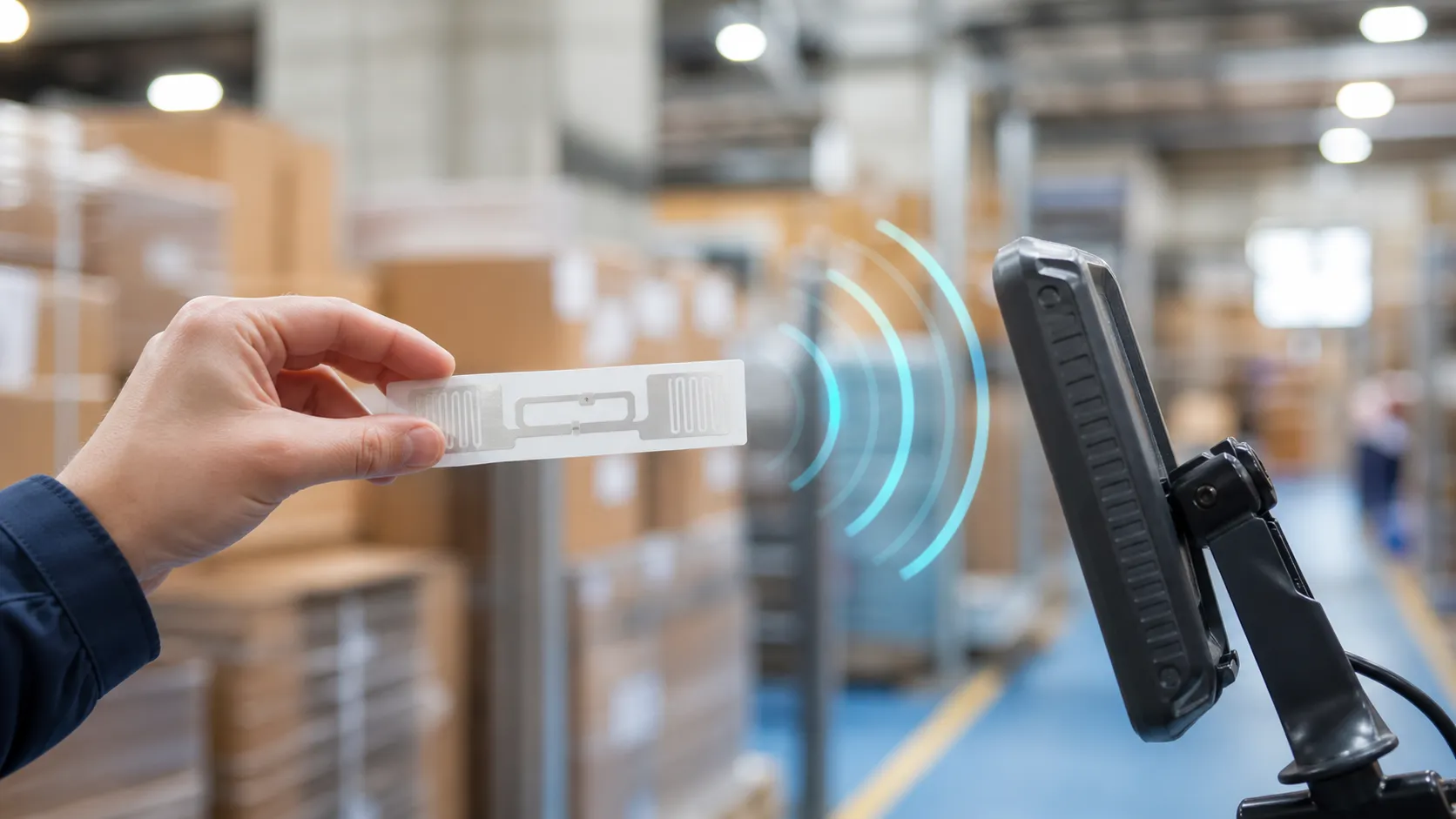

$0.05–$0.30 per tag is the typical passive uhf rfid tag cost spread from enterprise bulk orders down to pilot lots—not one flat list price.
- 100k+ units: Standard RFID labels often land at $0.05–$0.08 each.
- Under 10k: Setup overhead pushes unit cost toward $0.15–$0.30 for small asset tracking pilots.
- Metal-mount: Isolated antennas for steel racks run roughly $0.20–$1.50+ versus pennies for plain inlays.
The sections below cover chip choice, form factor, procurement steps, and why ultra-cheap tags inflate total cost of ownership (TCO) in the field.
The Four Core Drivers of Per-Tag Pricing
When you are planning a deployment, understanding the passive uhf rfid tag cost per tag comes down to balancing raw hardware with your operational environment. We see firsthand how four critical technical choices dictate your final bulk order pricing.
1. Volume Pricing Brackets
Like any silicon-based manufacturing, scale drives the economics here. For high volumes exceeding 100,000 units, the cost of standard RFID labels drops drastically. At the enterprise level, massive supply chain tracking or retail inventory projects can push unit prices toward absolute baseline costs.[1]
| Order Volume | Typical Passive UHF RFID Tag Cost Per Tag | Best For |
|---|---|---|
| Low Volume (<10k pcs) | $0.15 – $0.30 | Pilot testing, small asset tracking |
| Mid Volume (10k - 99k pcs) | $0.09 – $0.14 | Warehouse inventory, standard logistics |
| High Volume (100k+ pcs) | $0.05 – $0.08 | Enterprise supply chain, retail item-level tagging |
2. Silicon Chip Selection: Premium vs. Generic
The brain of your tag dictates its read sensitivity, memory profiles, and cryptographic security.
- Premium Impinj and Alien chips: Industry staples like the Impinj M700 series or Alien Higgs chips command a slight premium due to exceptional dense-reader mode performance and superior read range stability.
- Generic / Unbranded options: These cut upfront chip costs but often sacrifice standard memory structures or struggle in complex RF environments, directly impacting total cost of ownership (TCO) through missed reads.
3. Form Factor, Substrates, and Durability
How the tag is housed changes manufacturing complexity.
- Wet Inlay Cost: A bare wet inlay (the chip and antenna on a sticky plastic backing) is your most economical option, starting near $0.05 at high volumes.
- Smart Labels: Adding a clean paper or synthetic faceplate for barcode alternatives and human-readable text elevates the cost slightly.
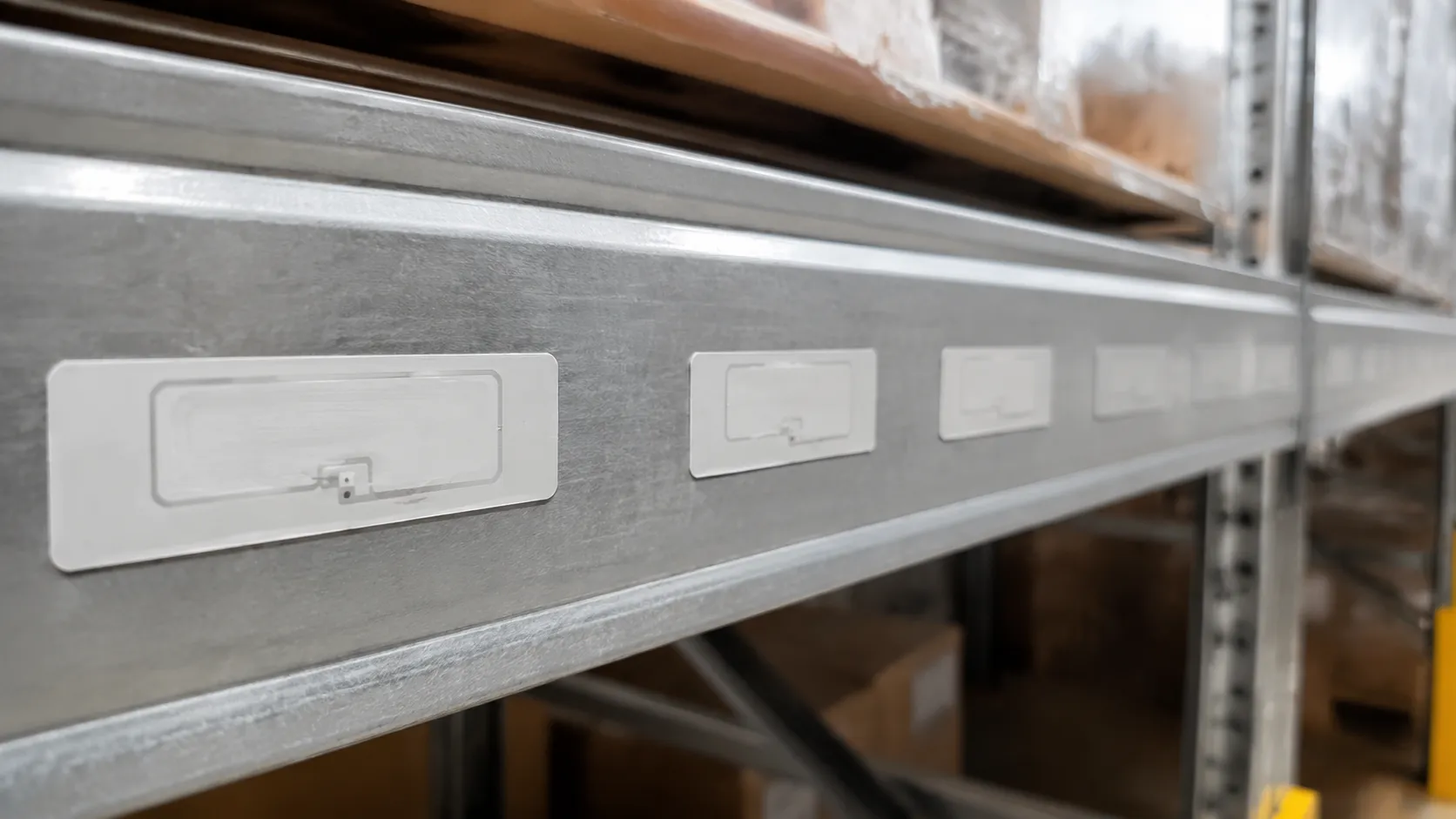
- Metal-Mount Tags: If you are tracking IT assets or industrial equipment, standard radio waves bounce off metal, rendering cheap tags useless. Specialized metal-mount tags require built-in foam isolation or ceramic casings to divert RF signals, jumping the price from $0.20 to over $1.50 per unit depending on ruggedness.[1]
4. Customization, Printing, and Pre-Encoding
Ordering raw hardware is one thing; getting deployment-ready tags is another. Adding custom surface printing (like your corporate logo or matching 1D/2D barcodes) and opting for factory pre-encoding of specific EPC data layers typically appends a fraction of a cent to a few cents per tag. However, this upfront addition completely eliminates local labor overhead during system setup.
Passive UHF RFID Tag Cost: Hidden Cheap-Tag Risks
Chasing the lowest headline price on a passive uhf rfid tag cost per tag calculation usually backfires right in the field. When you buy bottom-dollar tags, you are almost always trading away reliability, and that math breaks down the moment a reader misses a critical scan in your supply chain.
The Mirage of Ultra-Low-Cost Tags and Field Failure Risks
A rock-bottom unit price is an illusion. Cheap tags frequently suffer from poor antenna bonding, fragile substrates, and erratic frequency responses. In asset management or supply chain tracking, a 2% or 3% failure rate doesn't just mean a few dead tags—it means unreadable pallets, disrupted automated workflows, and manual intervention costs that dwarf your initial hardware savings. If a tag fails on a shipping container or a retail pallet, the labor spent tracking down that blind spot instantly wipes out any upfront discount.
The Benefit of 100% Pre-Shipment Quality Control
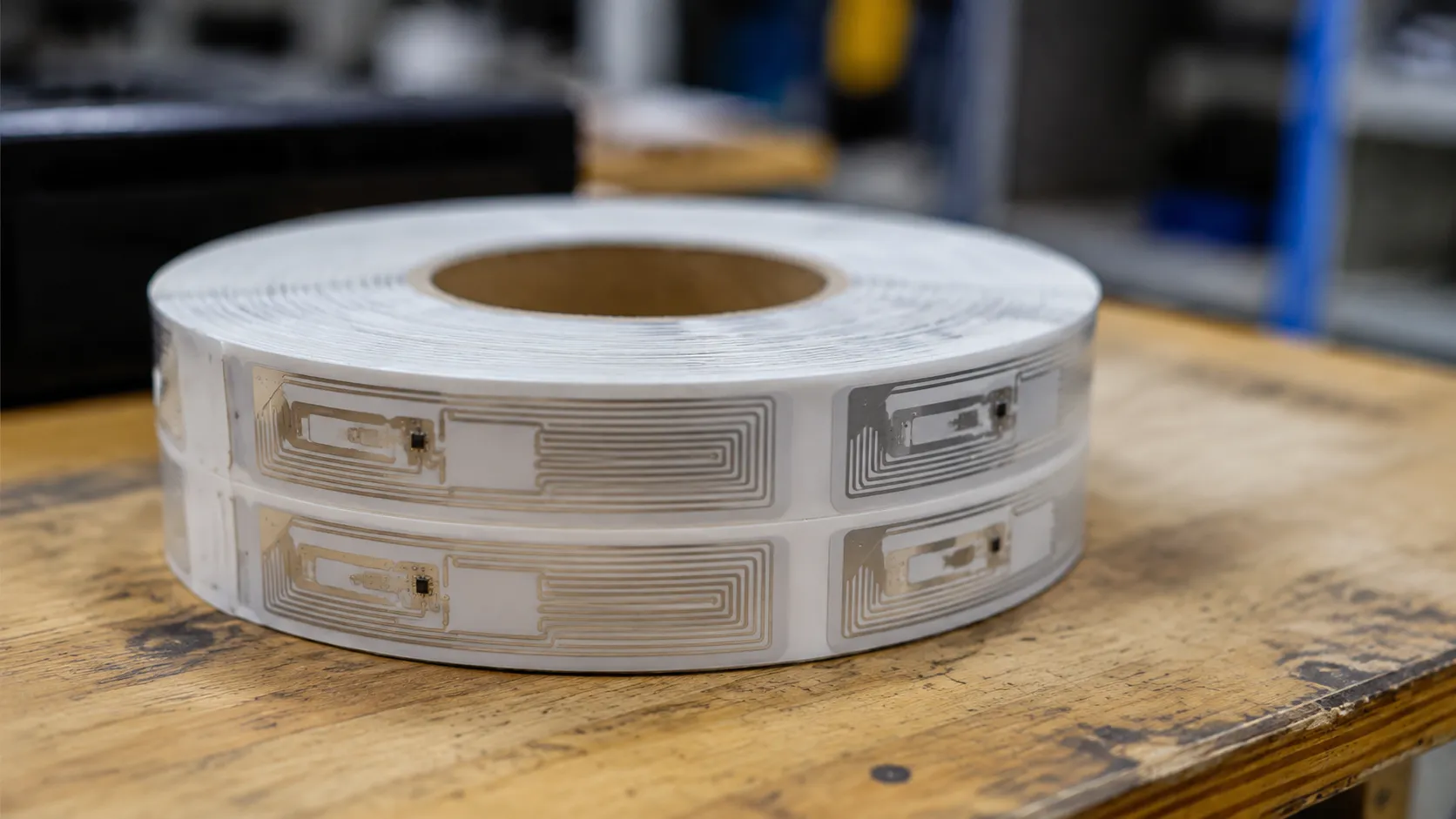
We eliminate this vulnerability before the hardware ever leaves our facility. Every single batch we manufacture undergoes 100% pre-shipment quality control.
- Mechanical Testing: Verifying bond integrity between the silicon die and the antenna.
- RF Consistency: Scanning every tag across the entire UHF spectrum to ensure uniform read ranges.
- Zero-Defect Delivery: Intercepting dead or out-of-spec inlays on the line so you only pay for functional, high-performance hardware.
Compliance, Engineering Standards, and Regulatory Risk Mitigation
Deploying RFID tags in the US market requires strict adherence to global engineering standards like GS1’s EPC Global Gen2v2 and ISO/IEC 18000-6C[2]. Cheap, unbranded tags often skip compliance testing, leading to severe signal drift and interference issues. By maintaining strict compliance with industry engineering standards, we mitigate your regulatory risks and ensure total interoperability with your existing fixed and handheld readers. Protecting your total cost of ownership (TCO) means investing in certified, factory-tested tags that perform predictably under real-world conditions.
Passive UHF RFID Tag Cost: B2B Procurement Steps
Navigating the passive UHF RFID tag cost per tag requires a structured procurement process to ensure you get the best ROI for your supply chain tracking or asset management project. We streamline your journey from initial specification to global delivery through five precise steps.
Our 5-Step Procurement Process
- Step 1: Specification Submission & RF Environment Analysis
You share your application details, and we analyze your deployment environment. We evaluate interference factors, surface materials (like metal or plastic), and read-range needs to map out the exact technical requirements. - Step 2: Technical Valuation & Hardware Design Optimization
We align your performance needs with the right antenna size and form factor. This step optimizes the design to lower the inlay cost, ensuring you don’t overpay for unnecessary specs while securing an affordable passive UHF RFID tag cost per tag. - Step 3: Complimentary Stock Samples for Read Range Validation
Before committing to a bulk order, we ship complimentary stock samples directly to you. This allows your team to perform real-world testing and validate read ranges in your actual operating environment. - Step 4: Automated Mass Production
Once validated, your order moves to our climate-controlled cleanrooms. Automated assembly lines manufacture your RFID labels or smart labels under strict conditions to ensure peak performance across high volumes. - Step 5: Global Logistics & Customs Clearance
We handle the heavy lifting of international shipping. Your tags are packed in anti-static bulk packaging and shipped with full customs clearance support, delivering a seamless supply chain experience straight to your warehouse.
Procurement Timeline and Deliverables
| Phase | Core Objective | Typical Turnaround | Key Deliverable |
|---|---|---|---|
| 1. RF Analysis | Environment & material review | 1–2 Business Days | RF Compatibility Report |
| 2. Design Opt. | Balancing performance & cost | 2–3 Business Days | Bill of Materials & Target Price |
| 3. Sampling | Real-world testing & verification | 3–5 Days (Shipping) | Free Sample Kit |
| 4. Production | Cleanroom mass manufacturing | 7–14 Business Days | Quality-Certified Tag Batch |
| 5. Logistics | Safe delivery & customs clearance | Varies by Region | Anti-Static Bulk Delivery |

By managing the entire pipeline from design to delivery, we eliminate middlemen, mitigate technical risks, and keep your volume pricing highly competitive.
Passive UHF RFID Tag Cost Frequently Asked Questions (FAQs)
What is the absolute minimum order quantity (MOQ) for direct-to-factory pricing?
Our factory floor requires a standard Minimum Order Quantity (MOQ) of 10,000 units for standard RFID labels to unlock direct-to-factory pricing. Because setup costs for automated mass production in climate-controlled cleanrooms are fixed, smaller volumes increase production overhead. For high volumes and bulk order commitments exceeding 100,000 tags, we unlock additional volume pricing brackets that drastically slash per-tag unit cost.
How much do metal-mount tags cost compared to standard RFID labels?
Standard RFID labels or a basic wet inlay cost pennies because they use simple substrates. However, specialized metal-mount tags cost between $0.15 and $1.50+ per tag[1], depending on ruggedization. Standard tags fail on metallic surfaces because metal reflects RF energy and detunes the antenna size. Metal-mount options use a built-in foam insulator or hard shell to protect the signal, making them a more expensive but necessary investment for heavy-duty asset management and supply chain tracking.
Why do Impinj and Alien chips cost more than unbranded alternatives?
Premium Impinj and Alien chips command a slight price premium over generic, unbranded silicon because they offer vastly superior read ranges, higher memory retention, and faster encoding speeds. When deploying retail inventory or supply chain tracking systems at scale, generic chips suffer from higher field failure risks. Investing in industry-standard silicon ensures compatibility with standard active RFID readers and fixed readers, lowering your total cost of ownership (TCO).
Does custom surface printing significantly increase the passive UHF rfid tag cost per tag?
Custom surface printing, such as adding your company logo, human-readable text, or 1D/2D barcodes, adds an estimated $0.01 to $0.03 to the passive UHF rfid tag cost per tag. This minor cost increase covers specialized ink and prepress setup. If you are transitioning from a traditional barcode alternative to smart labels, choosing pre-printed and pre-encoded tags directly from our factory eliminates the manual labor costs of printing them on-site.