RFID Knowledge Center: Your All-in-One Technical Guide from Basics to Selection
Accelerate your project design, simplify RFID product selection, and streamline procurement. Access our systematic breakdowns of RFID cards, tags, frequencies, chips, and industrial applications.
As a dedicated B2B RFID manufacturer, JN RFID consolidates years of frontline factory production and global deployment experience into actionable, practical insights for you.
Explore RFID Topics by Category
Whether you are a procurement specialist sourcing your first batch of smart cards or a systems engineer designing an enterprise-level IoT deployment, navigate through our curated modules below to find your technical roadmap.
These modules are built entirely around real-world case studies and common technical hurdles encountered by JN RFID across global project implementations.
RFID Fundamentals & Principles
Ideal for beginners. Understand exactly how radio frequency identification works, its primary hardware components, and core glossary terms.
- • What is RFID and how does it work?
- • How does RFID differ from traditional barcodes?
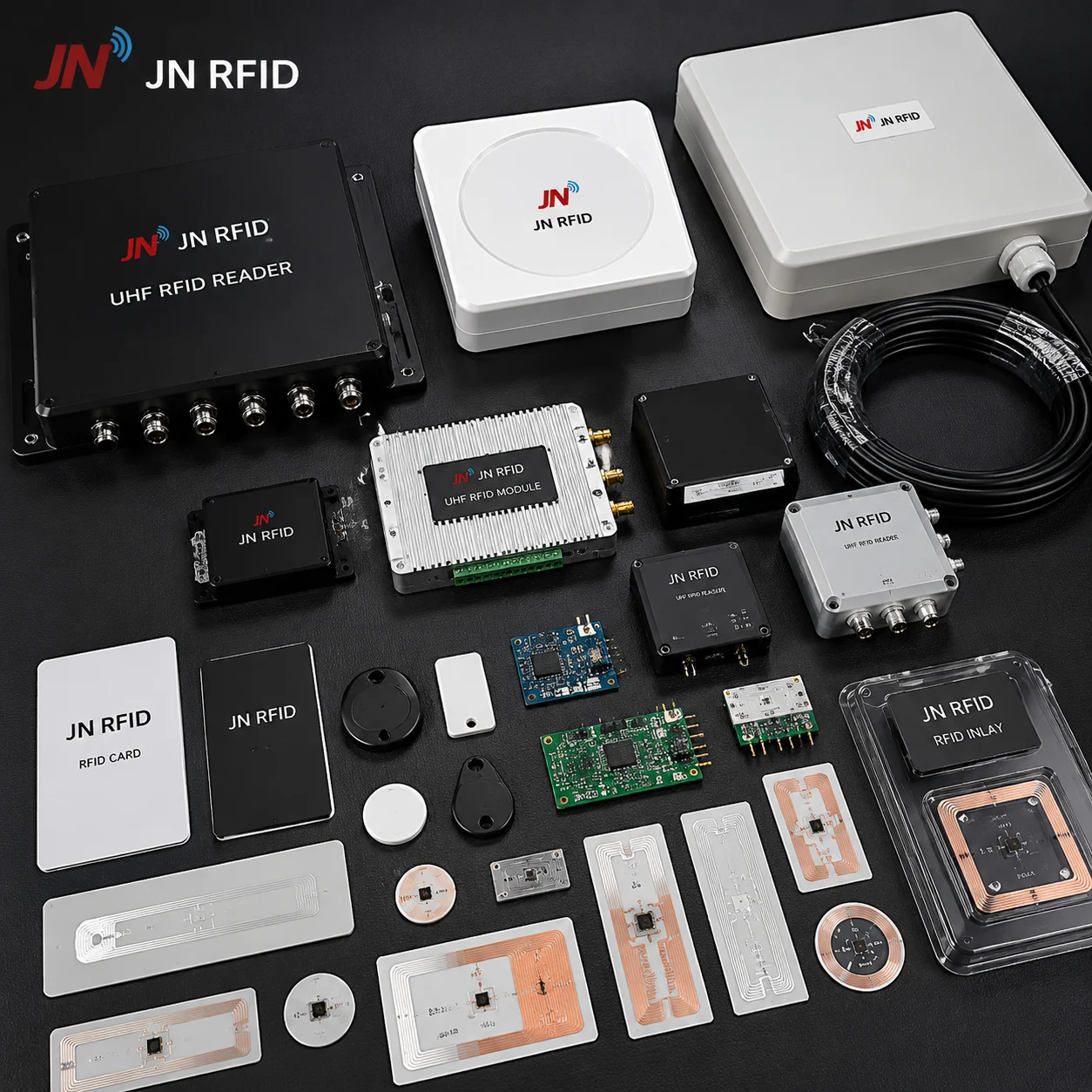
RFID Card Types & Deployments
Deep dive into LF, HF, and UHF card structures and the full range of RFID cards. Optimized for secure access control, commercial hospitality, customer loyalty programs, and transit sectors.
- • How do I choose the right hotel RFID key card chip?
- • What are the structural differences between LF and HF cards when selecting access control RFID cards?
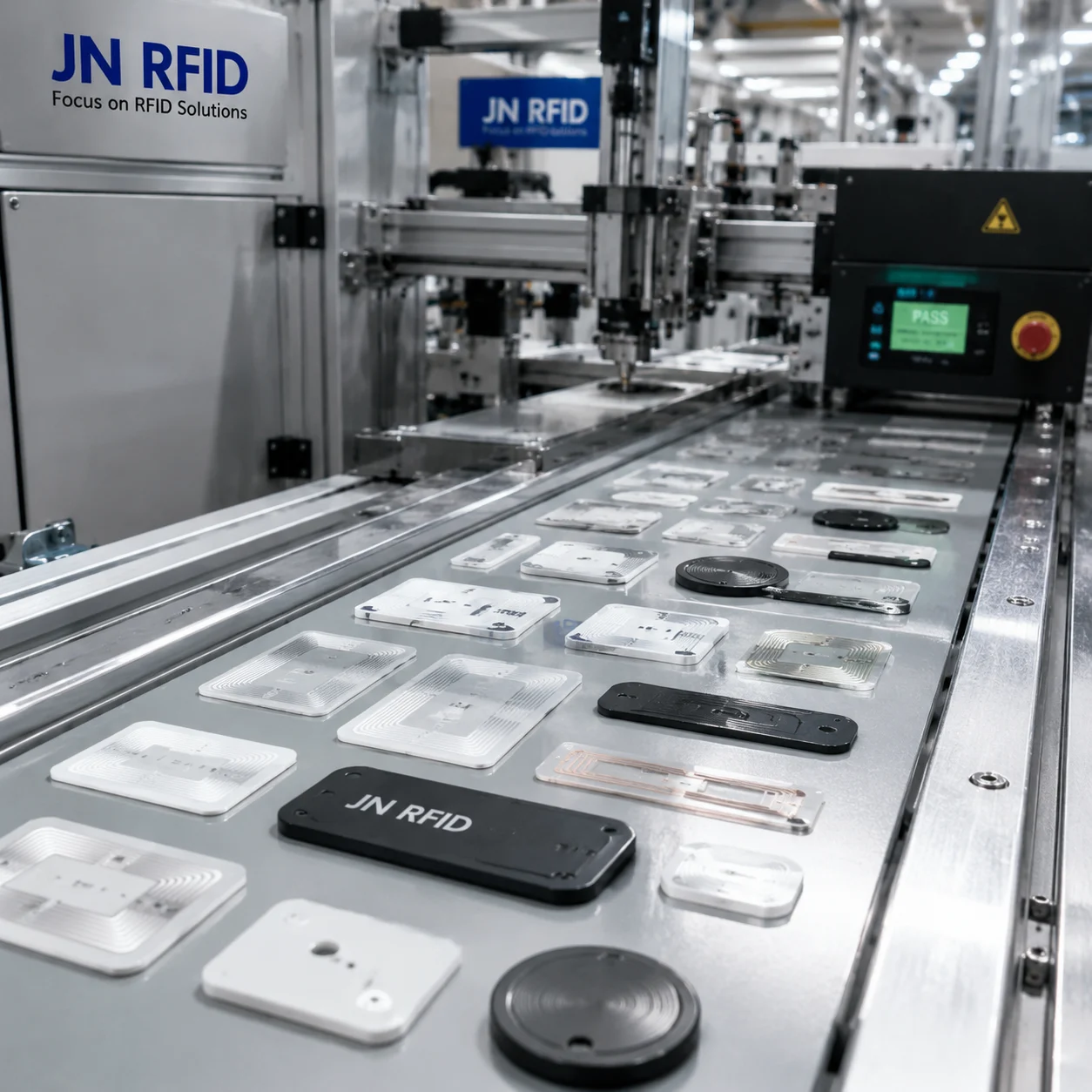
RFID Tags & IoT Smart Labels
Exploring UHF tags, HF smart labels, and specialized stickers deployed across warehouse management, asset tracking, and industrial logistical networks.
- • How do I select tags for high-interference metallic environments?
- • What environmental factors affect hardware read range?
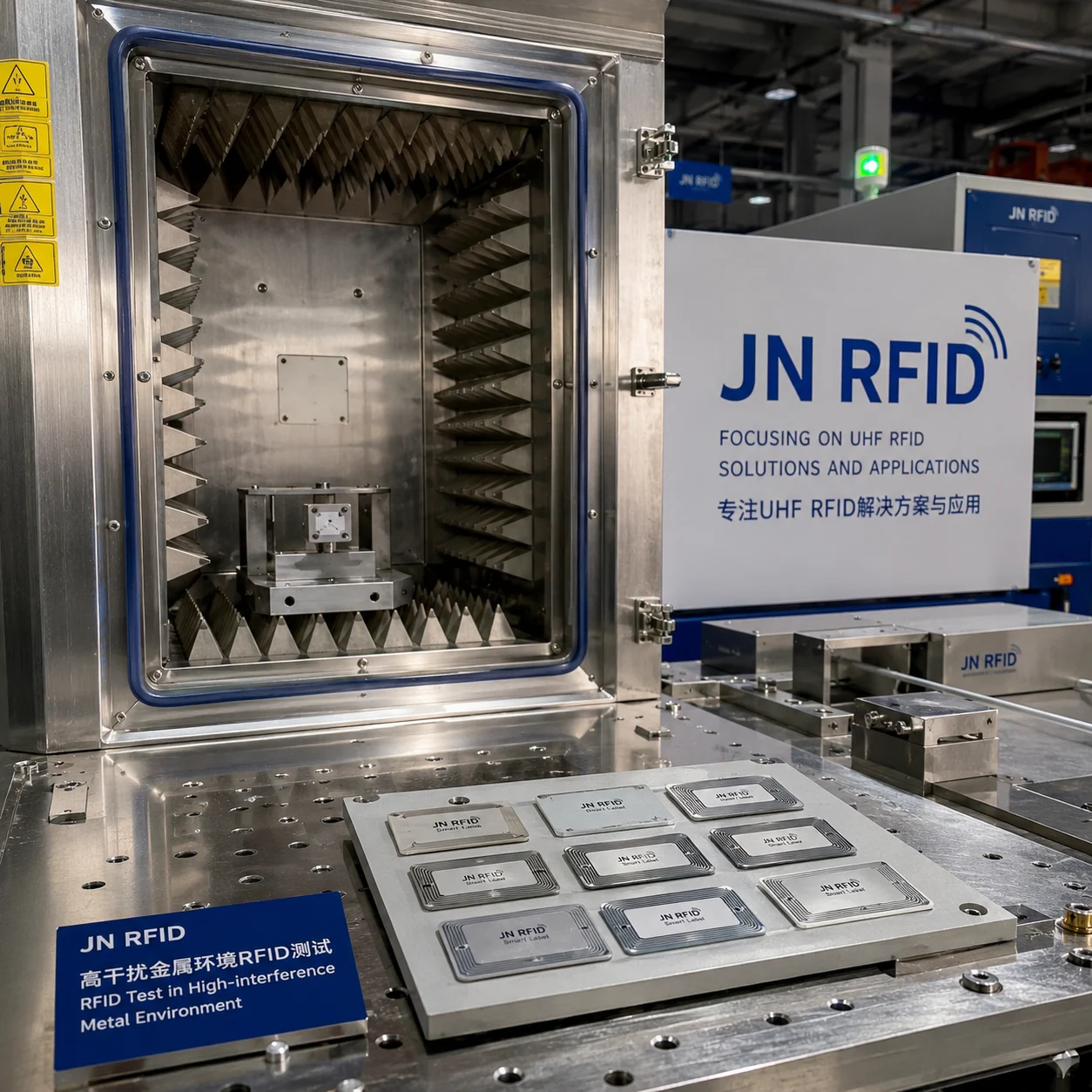
Frequencies, Protocols & Chip Selection
Decoding LF/HF/UHF bands, global ISO standards, and original chip families to guide hardware compatibility and system engineering.
- • MIFARE Classic vs. NTAG: What are the primary differences?
- • How do I match a specific chip to my existing reader?
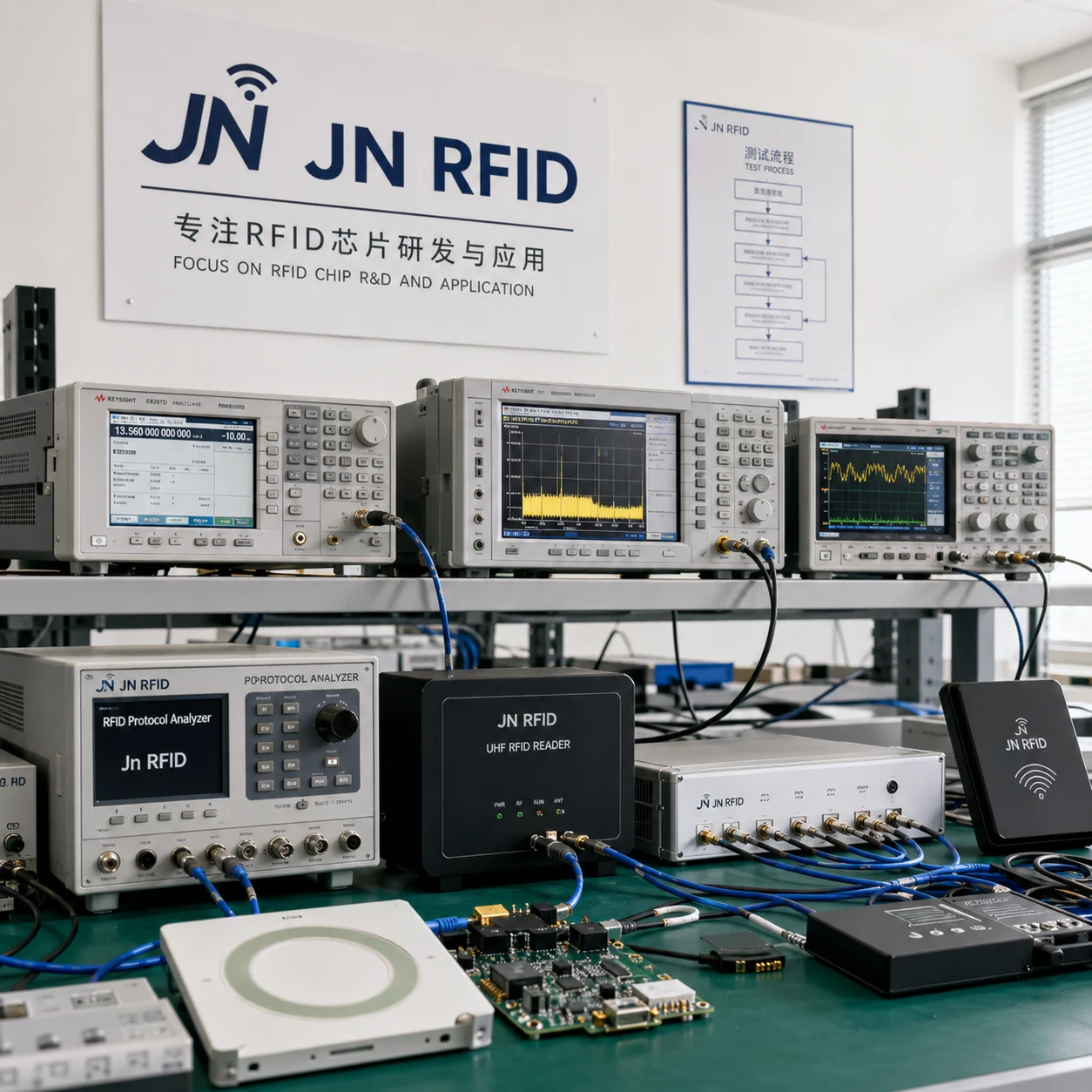
Security, Encryption & RFID Blocking
An overview of data security risks, credential cloning prevention, and how protective signal shielding products protect sensitive information.
- • How do RFID blocking cards protect against unauthorized scanning?
- • What encryption mechanisms prevent card cloning?
Procurement & Project Implementation
A strategic guide for project managers and buyers, mapping out the timeline from technical sampling and custom printing to factory mass production of custom printed RFID cards.
- • What specifications should be included in an RFID RFQ?
- • How do manufacturing quality control standards impact batch reliability?
Starting from Scratch: What is RFID and How Does It Work?
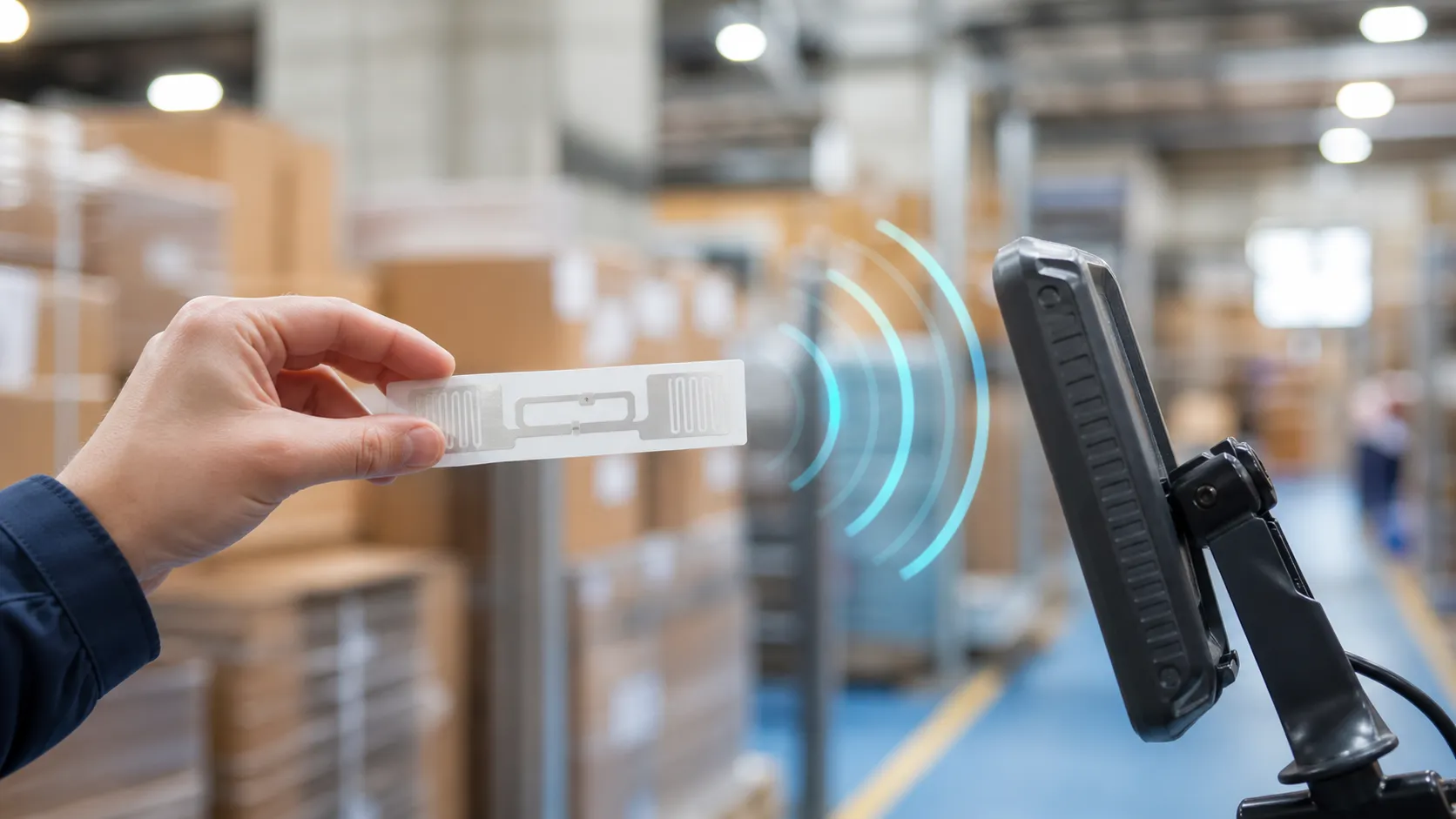
Radio Frequency Identification (RFID) is a versatile, non-contact data capture technology. By utilizing electromagnetic fields, RFID systems automatically identify, catalog, and track tagged assets or personnel instantaneously—completely eliminating the need for manual line-of-sight scanning. For physical card form factors, explore our comprehensive range of RFID cards tailored for different deployment environments.
The Legacy Tech Comparison: RFID vs. Barcodes
| Operational Feature | Traditional Barcode | Advanced RFID Technology |
|---|---|---|
| Line-of-Sight & Speed | Requires direct, individual optical scanning of each label. | Processes hundreds of bulk tags simultaneously from several meters away. |
| Read/Write Capability | Static, read-only data printed on paper or synthetic media. | Data can be dynamically updated, modified, or rewritten in the field. |
| Durability & Security | Vulnerable to tearing, smudging, and simple unauthorized replication. | High data memory, integrated hardware encryption, and robust environmental resistance. |
Core RFID Technology Applications
- Enterprise access control and automated workforce time-attendance tracking powered by specialized access control RFID cards
- Commercial hospitality and smart hotel electronic room access card systems using dedicated hotel RFID key cards
- High-density smart warehousing and real-time logistical asset management
- Automated vehicle tolling systems and hands-free fleet tracking
- Secure contactless transit tokens and retail customer loyalty membership cards
As an established B2B manufacturer serving the hospitality, security access, and global logistics industries, JN RFID leverages decades of production precision and field-tested engineering insight to support your commercial deployments.
Where Should I Begin My Reading?
We suggest starting with our deep dives into operational frequency bands and card material selections. This structured path provides a 5- to 10-minute technical primer to streamline your product selection process, especially when choosing between custom printed RFID cards and other formats.
Ready to find out how these foundational principles translate to your specific industry application? Connect with our technical engineers during your discovery phase to map out a clear project feasibility framework.
RFID Cards vs. RFID Tags: Which Form Factor Fits Your Project?
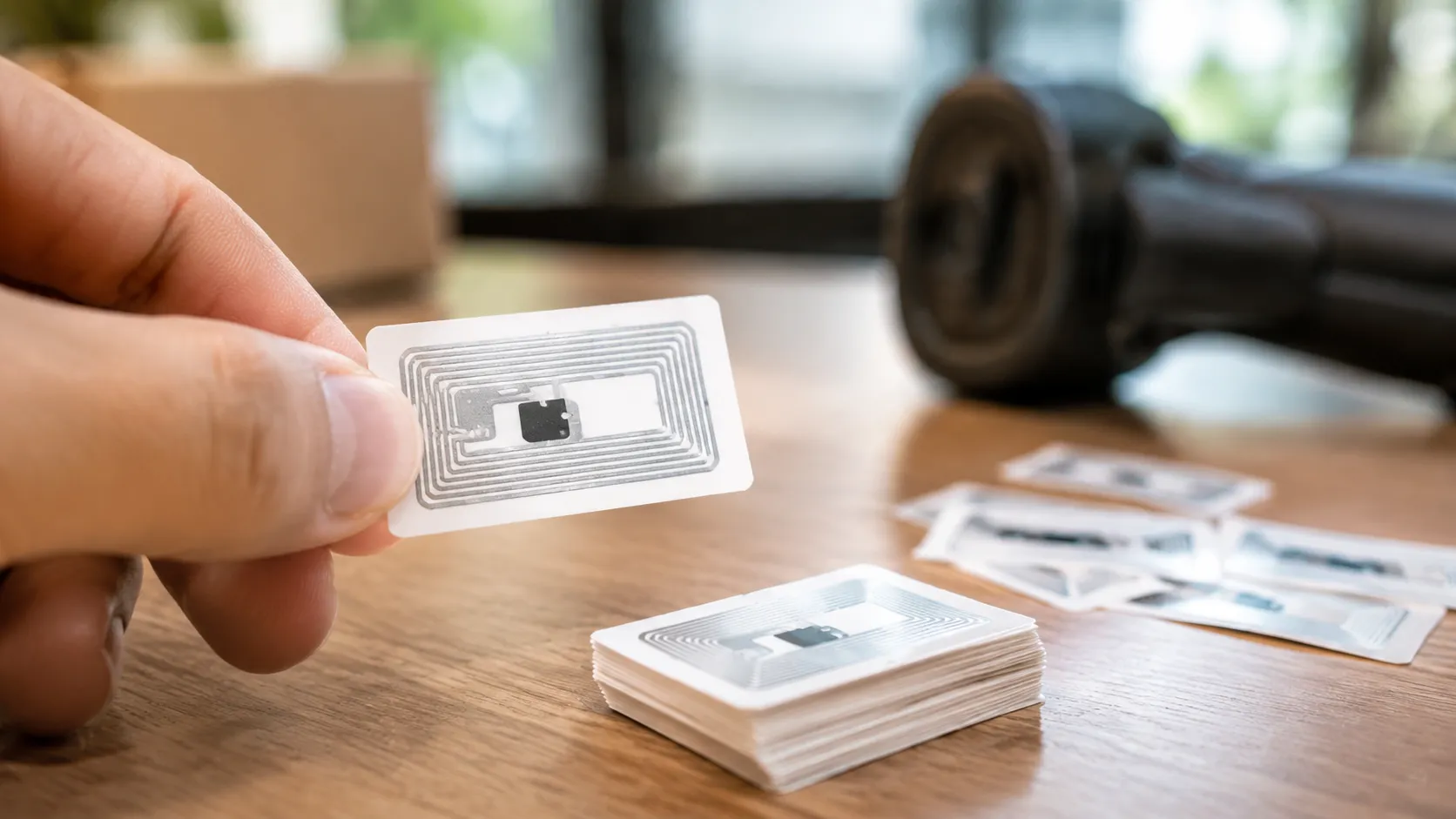
Choosing between an RFID card and a tag comes down to your deployment environment. RFID cards are engineered primarily for secure human identification, access credentials, and high-frequency tactile interactions. Conversely, flexible RFID tags, stickers, and hard labels are optimized for asset tracking, variable mounting surfaces, and industrial logistics.
RFID Cards: Construction, Smart Chips, and Form Factors
- Frequency Spectrum: LF (125kHz Proximity), HF (13.56MHz featuring authentic MIFARE® and NTAG® chips), and long-range UHF.
- Material Enclosures: Premium gloss PVC, eco-friendly composite polymers, natural wood/bamboo, customized contact/contactless hybrids, and heavy-duty metal card bodies.
- Primary Applications: Hotel electronic locking systems, corporate access control, campus identification, and high-tier loyalty credentialing with dedicated access control RFID cards.
Internal memory capacity and cryptographic security standards directly dictate card performance. While high-traffic corporate security gates require secure high-frequency chips with mutual authentication, simple identification workflows can leverage low-cost, read-only frequency alternatives.
RFID Tags & Stickers: Material Optimization & Environmental Adaptability
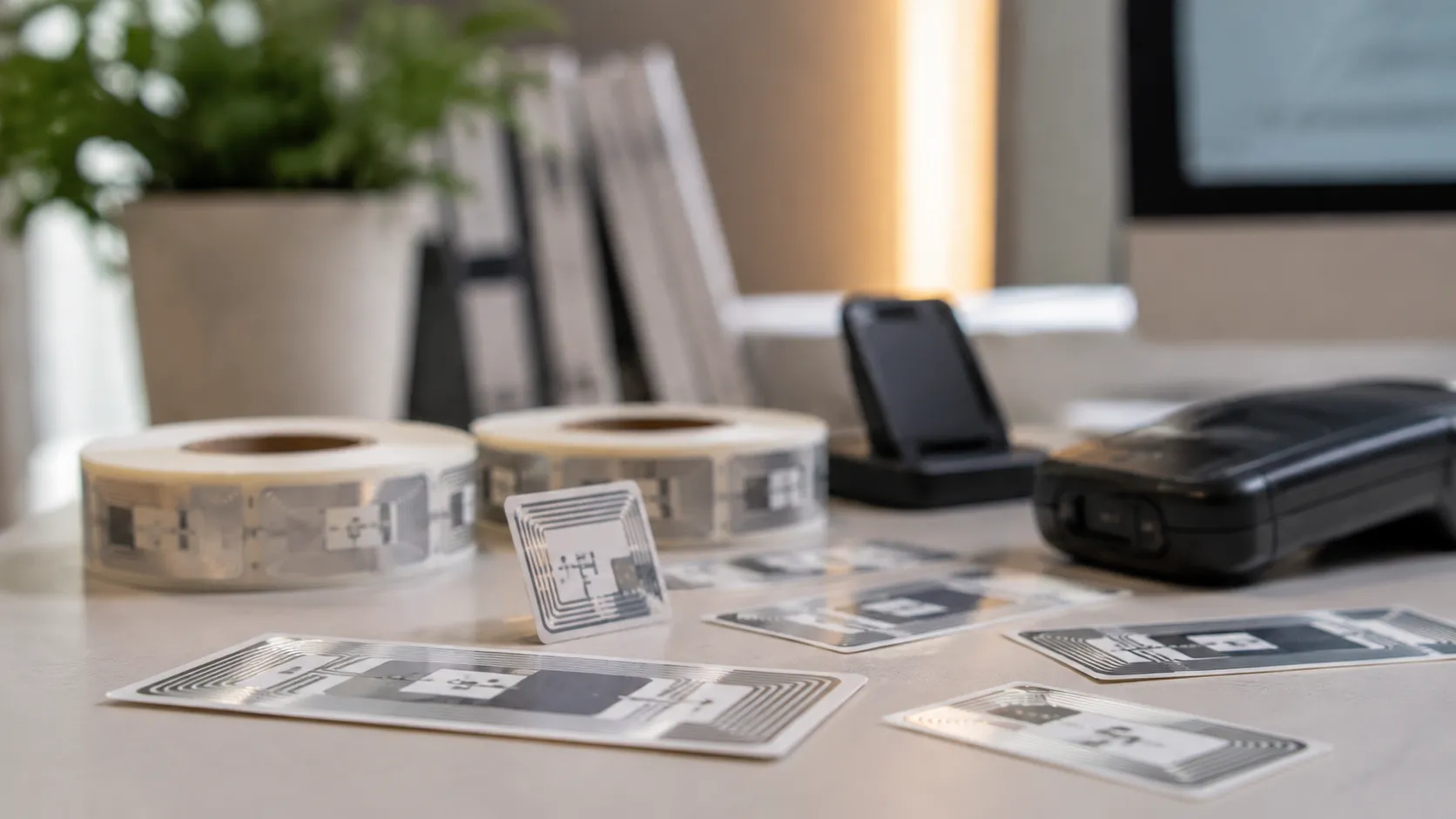
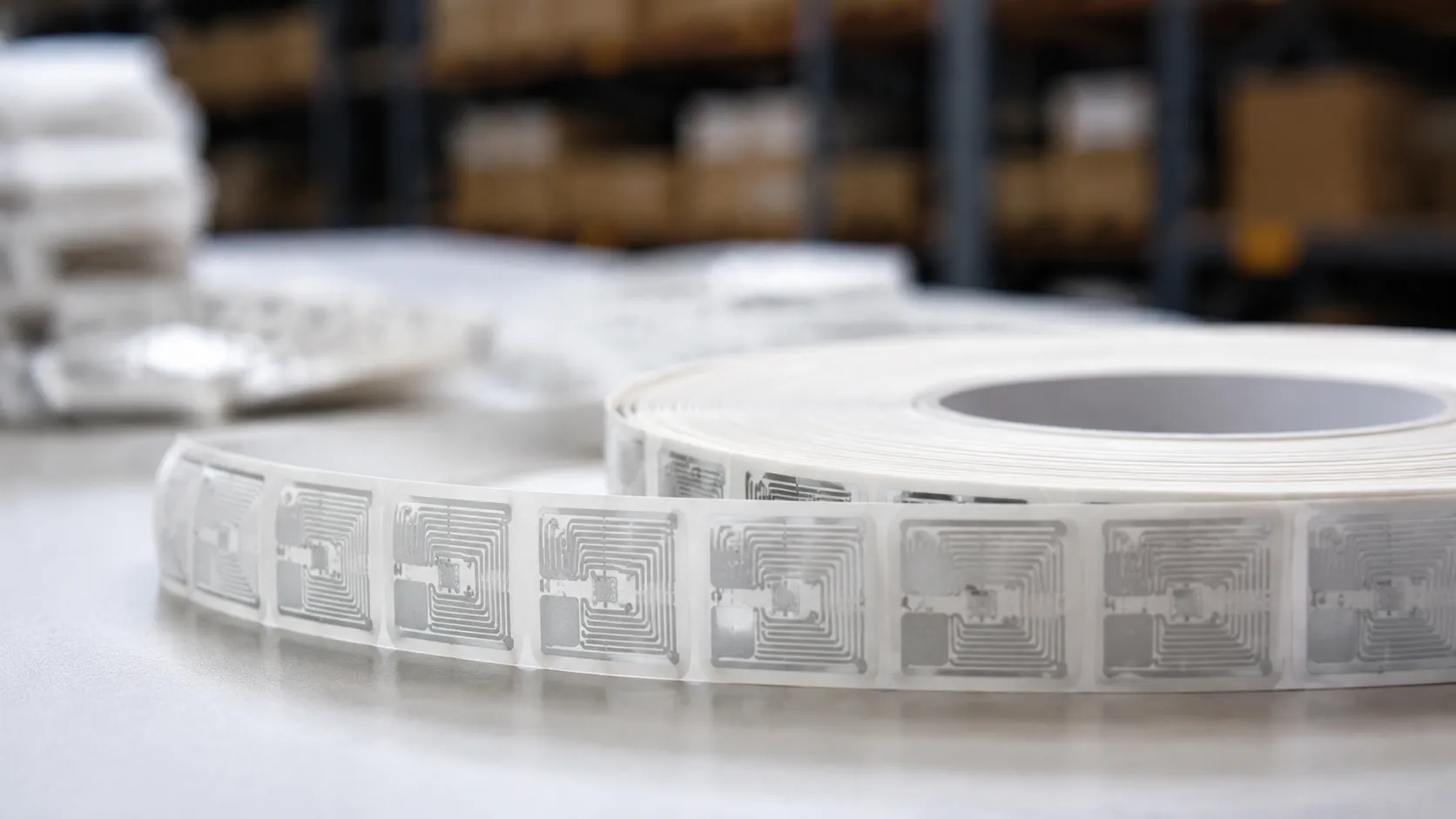
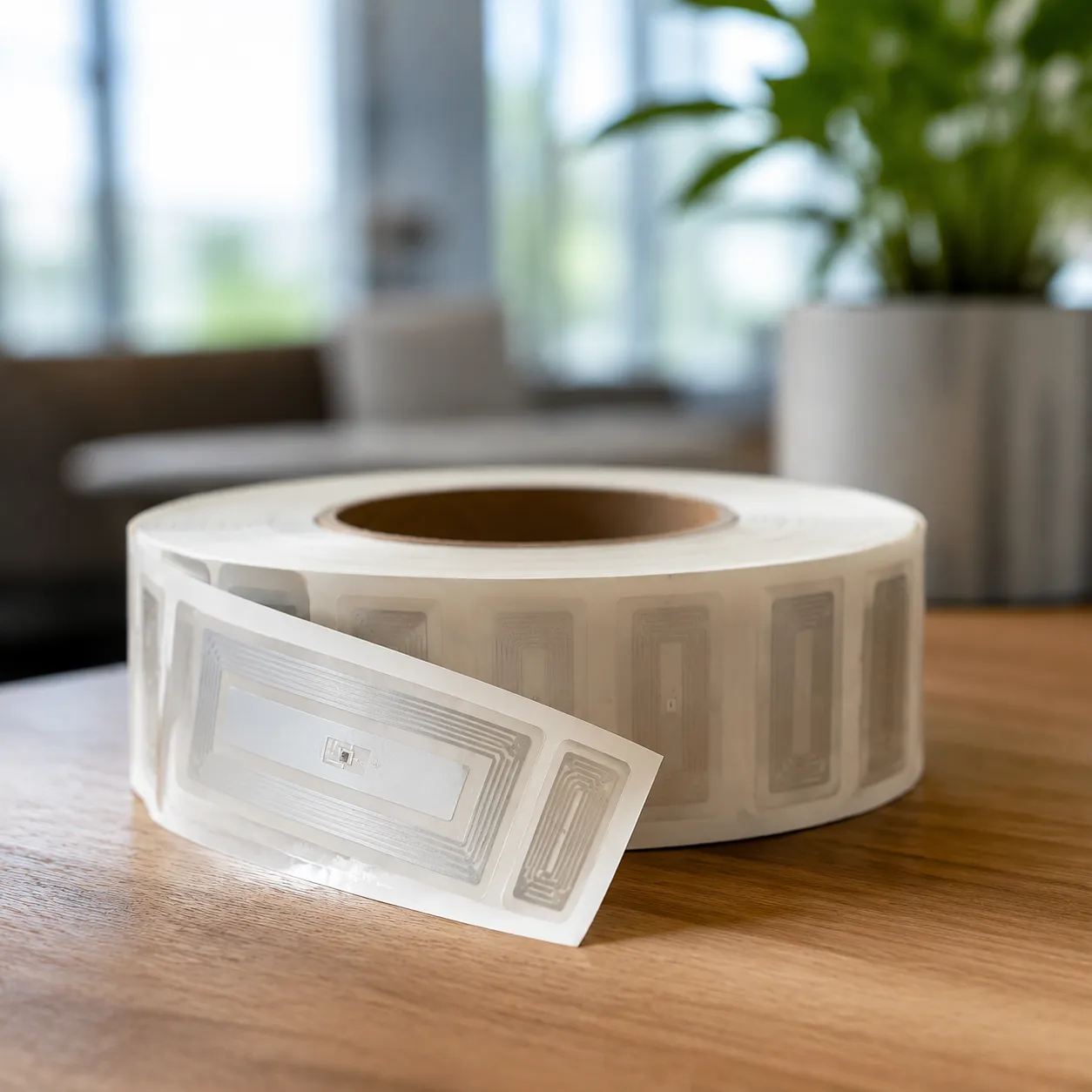
- Enclosure Profiles: Dry/wet inlays, printable paper labels, high-tack adhesive stickers, clothing hangtags, and ruggedized high-temperature or anti-metal hard cases.
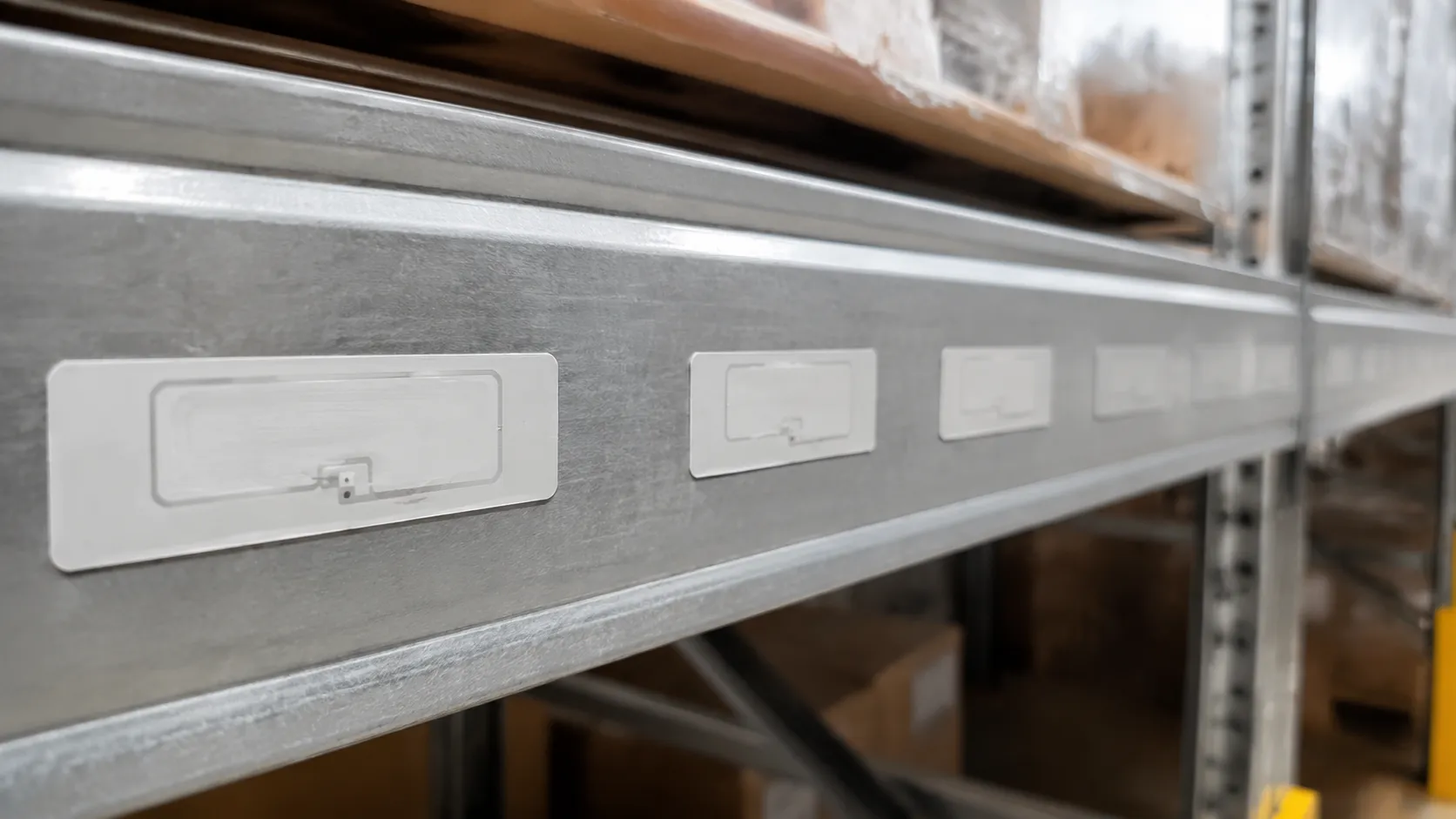
- Surface Substrates: Engineered specifically for direct mounting on industrial metal structures, high-density plastic totes, standard corrugated cardboard packaging, or liquid-filled containers.
- Primary Applications: Automated inventory management, real-time asset tracking, retail supply chain transparency, and manufacturing production line monitoring.
The operational environment dictates your tag architecture. Standard UHF stickers mounted directly to metallic surfaces or liquid containers will suffer from RF signal detuning; specialized anti-metal RFID labels are mandatory to shield the signal and guarantee target read ranges.
Whether your system requires custom-printed RFID cards or high-volume industrial UHF label rolls, JN RFID operates fully integrated manufacturing facilities to deliver complete, single-source project compatibility.
Still Unsure Which Form Factor Coordinates with Your Infrastructure?
Organize your core deployment metrics—such as target surface materials, required read ranges, scanner compatibility, and budget bounds. Once ready, proceed to our comprehensive frequency and chip selection guide or explore all RFID cards options below, or sync directly with a technical engineer for tailored advice.
The Definitive RFID Frequency & Silicon Chip Selection Guide
Selecting the proper operating frequency and integrated circuit (IC) directly dictates your system's read velocity, cryptographic security margins, global regulatory compliance, and total deployment cost. Use this technical reference to align your hardware architecture with your exact deployment environment, and match the right RFID cards portfolio to each scenario.
| Frequency Band | Typical Read Range | Core Use Cases | Structural Advantages | Critical Operational Trade-offs |
|---|---|---|---|---|
| LF (Low Frequency, 125kHz) | Near contact (a few centimeters) | Legacy corporate access gates, agricultural livestock tracking | Exceptionally low sensitivity to liquid and metal interference; highly stable performance. | Low data transmission rates, minimal memory capacity, and a lack of global standard harmonization. |
| HF (High Frequency, 13.56MHz) | Short-range (1cm to 10cm) | Secure access control, contactless hotel keys, municipal transit cards, library tracking | Mature global standardization (ISO 14443 and ISO 15693); robust hardware-level cryptographic encryption. | Strictly limited reading distances; requires precise, near-proximity tag placement. |
| UHF (Ultra-High Frequency, 860–960MHz) | Long-range (1m to 15m+) | Industrial warehouses, supply chain logistics, high-volume automated vehicle gate access | Exceptional long-range scanning; high-density batch reading of hundreds of tags simultaneously. | High vulnerability to metal and liquid absorption; requires careful field calibration and specialized shielding. |
International Protocol Frameworks at a Glance
ISO/IEC 14443 (A/B): The gold standard for secure identity applications, governing encrypted corporate badges, contactless banking, and high-security hospitality locks that often rely on specialized access control RFID cards.
ISO/IEC 15693: Optimized for proximity asset tracking, offering longer read ranges at lower power thresholds, ideal for library books and medical inventory.
GS1 EPC Class 1 Gen 2 (ISO 18000-6C): The definitive international framework governing global UHF supply chain logistics, enabling ultra-fast multi-tag anti-collision inventories.
Leading Silicon Chip Families Explained
NXP MIFARE® Classic & DESFire®: Engineered for enterprise-tier security, providing advanced hardware cryptographic authentication to prevent card cloning and unauthorized data access.
NXP NTAG® & ICODE® Series: NTAG chips offer optimal compliance for consumer NFC-enabled interaction, while the ICODE family delivers high-performance reliability for commercial HF inventory management.
Impinj® Monza® & Alien® Higgs®: High-performance UHF IC architectures engineered for rapid mass-serialization, maximizing reading sensitivities across dense automated supply chain corridors.
Common System Integration Oversights
- Deploying standard, off-the-shelf RFID tags directly onto metal industrial assets without anti-metal shielding.
- Choosing basic, unencrypted ICs for high-security commercial property or hospitality access gates.
- Failing to run empirical on-site field calibrations for UHF multi-tag inventory sweeps near liquids.
- Neglecting regional spectrum compliance (e.g., FCC vs. ETSI frequency allocations) during global hardware rollouts.
JN RFID enforces strict quality control by sourcing 100% genuine, authorized silicon chip wafers from NXP, Impinj, and Alien, guaranteeing flawless component compatibility and long-term project stability.
RFID Security Architecture: Countering Vulnerabilities, Clones, and Scanning Threats
Legacy RFID cards systems operating without encryption leave organizations vulnerable to wireless skimming, physical data sniffing, and unauthorized credential cloning. Without cryptographic protection, badge data can be intercepted in seconds, compromising facility integrity and asset tracking networks.
Modern deployments mitigate these risks using advanced system-wide encryption. High-security silicon chips—such as MIFARE DESFire® utilizing AES 128-bit cryptographic algorithms—establish a mutual, two-way hardware authentication process between the card token and the reader. This ensures only authenticated data triggers access, while cloud-managed whitelist networks instantly isolate unauthorized duplicate credentials and protect mission-critical access control RFID cards.
To address physical signal interception, specialized RFID blocking technology provides a defense line against rogue scanning. Integrated conductive shielding material layers create a miniature Faraday cage within the product structure. This matrix significantly attenuates 13.56MHz and UHF radio signals, rendering internal chips invisible to unauthorized portable readers.
Beyond fabricating secure custom printed RFID cards, JN RFID manufactures custom-branded RFID blocking cards, protective sleeves, and specialized shielding fabrics engineered for government credentials, premium financial portfolios, and high-security zones.
Balancing Security Budgets against Project Threats
We recommend tailoring your hardware choices directly to your industry's compliance tiers. Standard commercial properties often balance cost with high-frequency encryption, whereas high-risk corporate hubs, financial centers, and government infrastructure warrant top-tier secure silicon coupled with physical shielding configurations.
Building a secure credential network for government or sensitive enterprise clients? Consult our security engineers to customize secure data layouts and hardware shielding options.
Enterprise Procurement Matrix: The End-to-End RFID Project Sourcing Lifecycle
Deploying a global RFID installation requires cross-functional orchestration across hardware design, software APIs, and physical supply lines. Explore our full range of RFID products and discover the standard product development roadmap below to maximize supply chain execution.
- 1
Scenario Mapping & Constraint Definition
Explicitly detail physical operation parameters—including surface materials, read speeds, required reading ranges, total quantities, and budget allocations.
Checkpoints:- Define operation parameters
- Specify materials & quantities
- Set budget constraints
- 2
Frequency Calibration & Chip Selection
Map operational data back to proper frequency ranges (LF, HF, UHF) and pinpoint the ideal silicon chip architecture.
Checkpoints:- Analyze frequency ranges
- Select chip architecture
- Verify compatibility
- 3
Prototyping & Field Testing
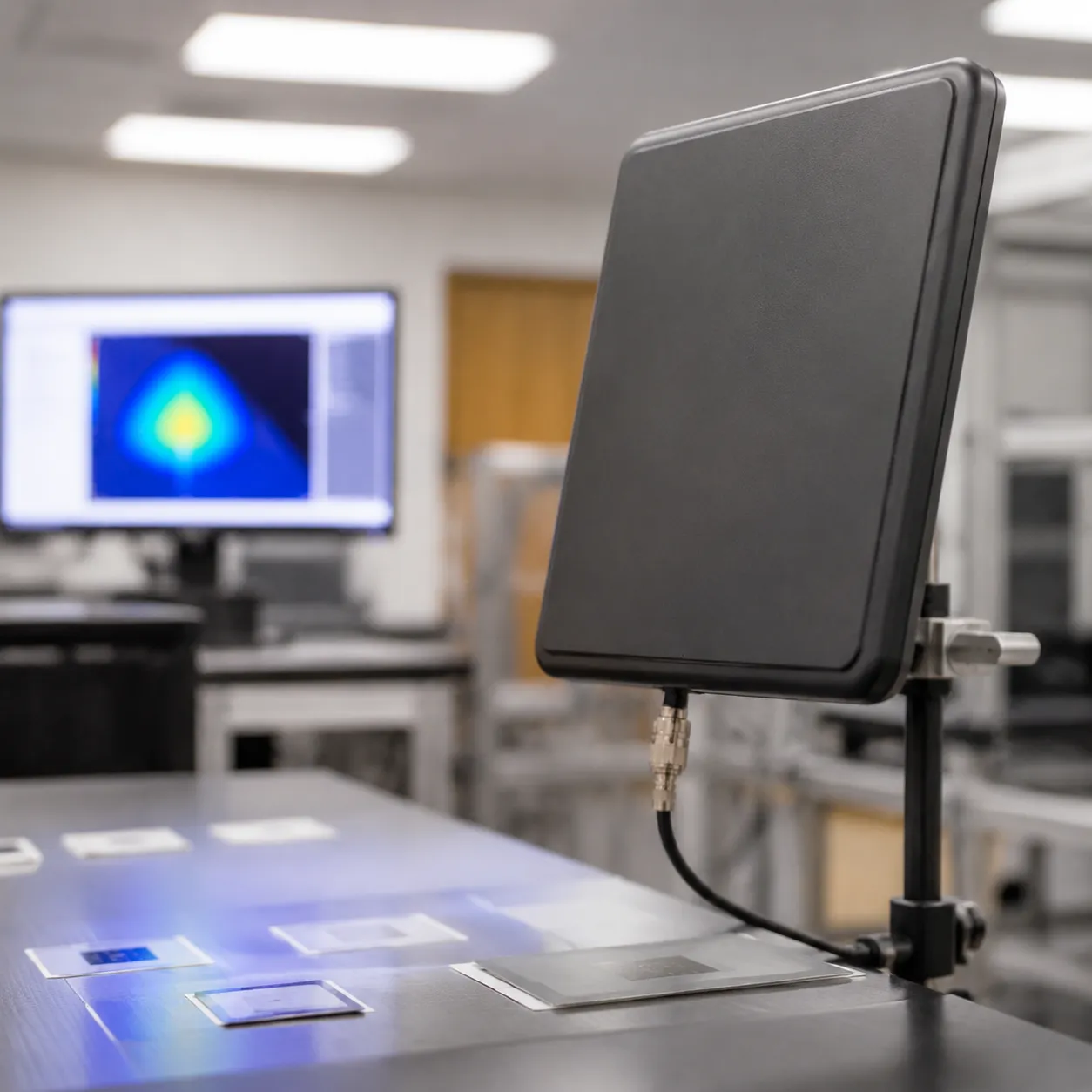
Produce and deploy small sample batches in the field to check reading performance, durability, and reader software compatibility.
Checkpoints:- Sample batch production
- Field performance testing
- Software compatibility checks
- 4
Artwork Layout, Branding & Data Serialization
Lock down graphic assets, surface printing options, mechanical numbering, custom laser engraving codes, and internal chip memory serialization for custom printed RFID cards.
Checkpoints:- ize graphic assets
- Confirm printing and engraving
- Serial data encoding
- 5
Mass Scale Production, QA Controls & Logistics
Automated high-volume production combined with integrated testing before final delivery.
Checkpoints:- Automated scale production
- 100% automated QA testing
- Integrated logistics planning
- 1
Scenario Mapping & Constraint Definition
Explicitly detail physical operation parameters—including surface materials, read speeds, required reading ranges, total quantities, and budget allocations.
Checkpoints:- Define operation parameters
- Specify materials & quantities
- Set budget constraints
- 2
Frequency Calibration & Chip Selection
Map operational data back to proper frequency ranges (LF, HF, UHF) and pinpoint the ideal silicon chip architecture.
Checkpoints:- Analyze frequency ranges
- Select chip architecture
- Verify compatibility
- 3
Prototyping & Field Testing
Produce and deploy small sample batches in the field to check reading performance, durability, and reader software compatibility.
Checkpoints:- Sample batch production
- Field performance testing
- Software compatibility checks
- 4
Artwork Layout, Branding & Data Serialization
Lock down graphic assets, surface printing options, mechanical numbering, custom laser engraving codes, and internal chip memory serialization for custom printed RFID cards.
Checkpoints:- ize graphic assets
- Confirm printing and engraving
- Serial data encoding
- 5
Mass Scale Production, QA Controls & Logistics
Automated high-volume production combined with integrated testing before final delivery.
Checkpoints:- Automated scale production
- 100% automated QA testing
- Integrated logistics planning
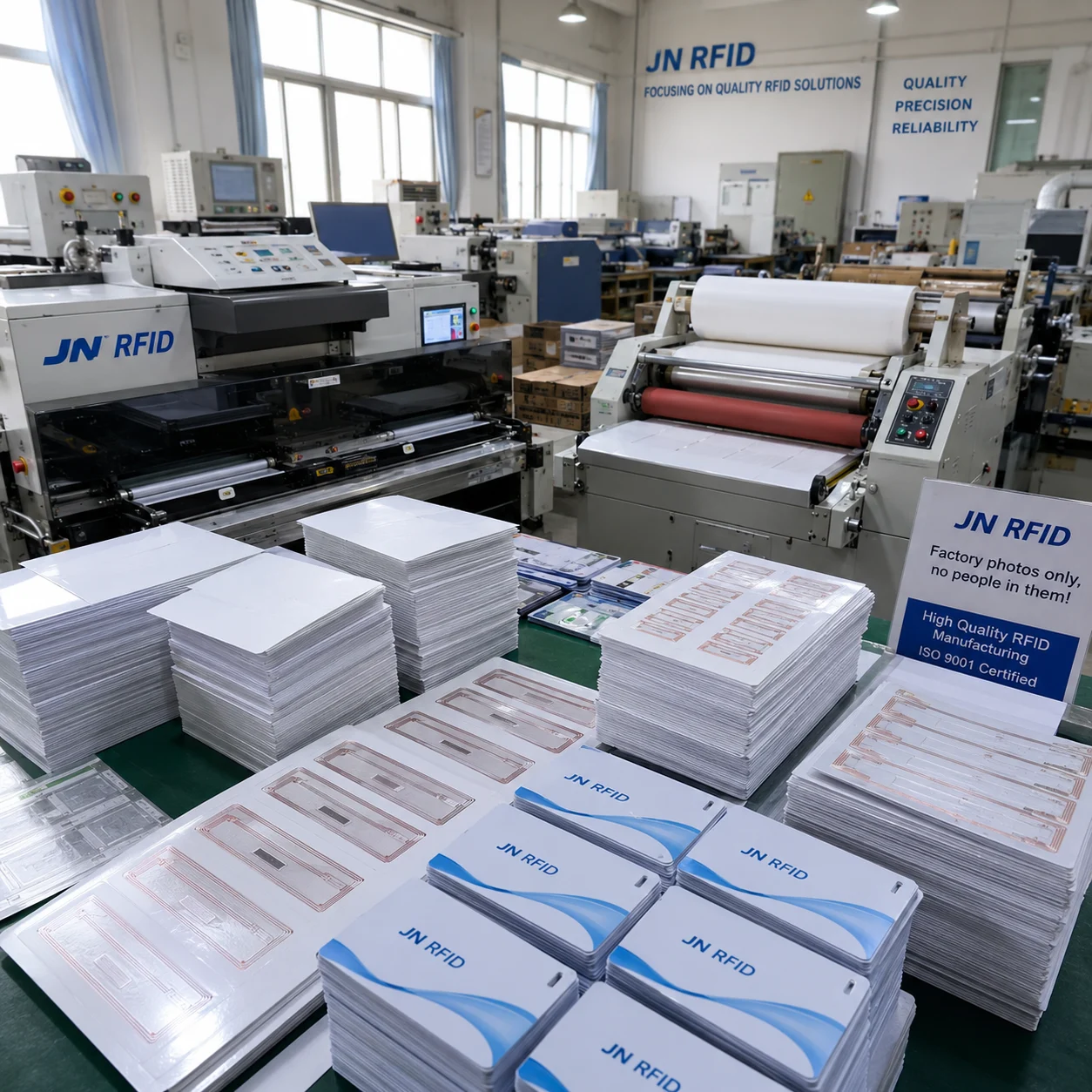
Operating an ISO 9001:2015 certified manufacturing facility, JN RFID subjects 100% of manufactured cards and tags to automated performance testing before shipping to maintain consistent batch stability, including for our RFID cards product line.
Essential Technical Data for Your Next RFID RFQ
- • Target application environment
- • Estimated yearly volume & initial batch targets
- • Delivery deadlines
- • Custom printing requirements for custom printed RFID cards
- • Regulatory certifications (CE, FCC, RoHS)
Ready to submit your design requirements? Share your project details with our manufacturing engineers for an initial technical evaluation and quote within 24 hours.
Custom Learning Paths: Navigate by Your Professional Role
We map our technical data to support different project roles. Select your professional path to get the exact insights your team needs.
JN RFID partners daily with global integrators, engineers, and supply chain buyers. We structure our knowledge hub around the distinct needs of each team member.
Sourcing Specialists & Procurement Managers
Optimize total cost of ownership, streamline RFQ accuracy, and guarantee factory-to-site delivery timelines.
- RFID Cards vs. Smart Tags Knowledge Module
- Procurement Strategy & RFQ Management
- Frequencies & Chip Selection Matrix (Cost Drivers)
System Architects & Integration Engineers
Evaluate technical specifications, confirm hardware read ranges, and ensure component-to-reader compatibility.
- Frequencies, Protocols & Chip Selection Matrix
- RFID Cards vs. Smart Tags (Environmental Tuning)
- Security Architecture & Data Encryption
Project Beginners & Technology Researchers
Learn foundational hardware concepts, operational deployment constraints, and real-world application examples.
- RFID Fundamentals & Beginner's Corner
- RFID Cards vs. Smart Tags Overview
- Security Architecture & RFID Shielding Principles
Unsure which path matches your current planning stage? Share your project details with us for a personalized engineering consult.
Frequently Asked Questions: RFID Technology & Implementation
This resource supports procurement professionals drafting RFQs, systems engineers comparing chip models, and beginners looking for core definitions. We simplify complex protocols and technical jargon while providing deep data sheets for advanced project planning and help you evaluate different RFID card products before you purchase.
The core articles cover open global standards (ISO, EPCglobal) and universal RF physics. While our manufacturing metrics are highlighted where helpful, the technical principles apply industry-wide to help you make objective product and supplier comparisons, whether you are sourcing standard RFID cards or specialized access control RFID cards.
This hub covers standard hardware operations and typical deployment challenges. Because every warehouse layout, metallic environment, and access control system has unique variables, we recommend using these guides for baseline research, then sharing your specific project details with our technical team for custom advice and selecting the right custom printed RFID cards configuration.
Yes. Detailed silicon chip data sheets, material reliability reports, and technical deployment whitepapers can be compiled and sent via email based on your specific project requirements. Simply request them through our contact forms.
Our engineering and QA teams audit this material regularly to reflect updating international ISO frameworks, next-generation silicon chip releases, and new field insights from our global factory deployments.
These responses are drawn directly from JN RFID's decade of experience in manufacturing, testing, and scaling smart card and tag solutions worldwide.
Translate RFID Insights Into Reliable Project Performance
Whether you are validating technical feasibility for a new system deployment or preparing final RFQ specifications for high-volume manufacturing, leverage our factory-direct engineering resources and RFID cards portfolio to de-risk your deployment and control production costs.
As an integrated B2B hardware and manufacturing provider, JN RFID collaborates with your development team early in the design phase to eliminate frequency mismatch and accelerate your project timelines with optimized custom printed RFID cards for your application.
Direct Technical Sourcing Channel
Email: info@jnrfid.com | WhatsApp: +86 13954091520
Tip: Mention the specific chip models, frequency bands, and whether you require blank printable RFID cards or custom-printed options you explored in this guide when contacting us, helping our engineers deliver tailored technical recommendations faster.